

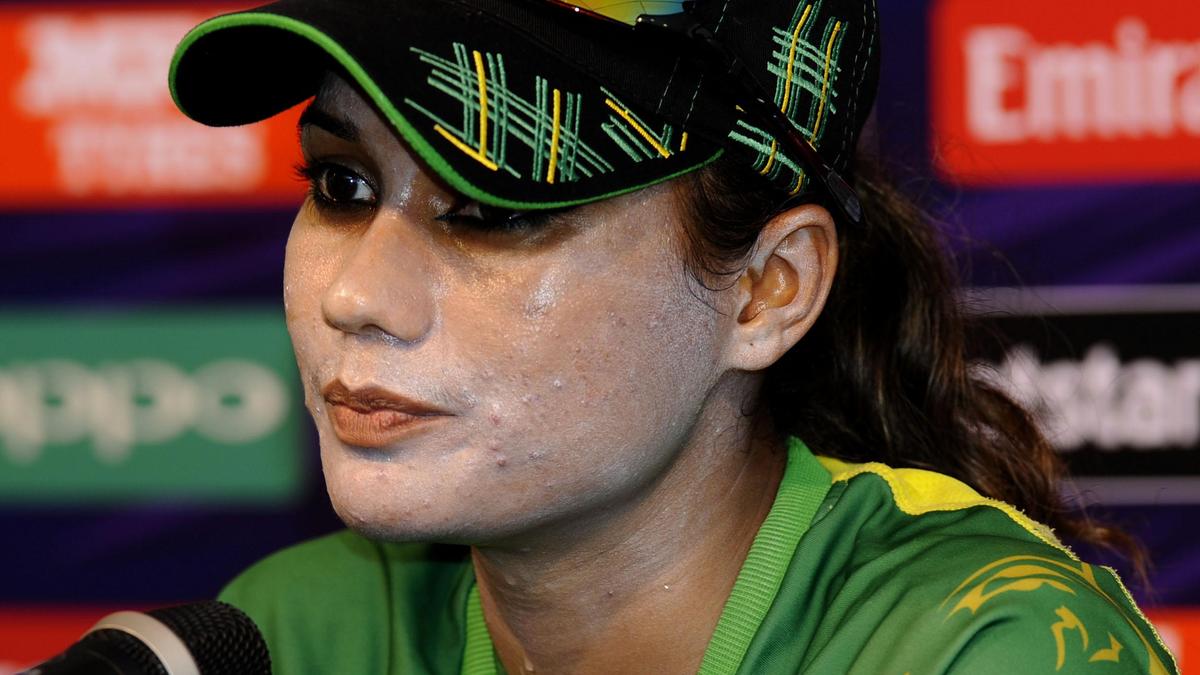
The world of cricket recently faced a serious accusation that has sent shockwaves through fans, players, and officials alike. Jahanara Alam, a prominent Bangladeshi cricketer, alleged that she experienced sexual harassment during the 2022 ICC Women’s World Cup (WC). This claim has not only spotlighted issues of misconduct within cricket but has also prompted a wider conversation on gender safety and accountability within sports organizations.
The incident was brought to light through a series of social media posts and interviews, where Jahanara recounted her personal ordeal during the tournament. Her allegations are particularly significant given the high-profile nature of the event, where players from around the globe gathered to compete at the highest level. The accusation has stirred debates about the adequacy of existing protective measures for female athletes and the responsiveness of sports bodies when faced with such allegations.
The Details of the Allegation
According to reports from Cricbuzz.com and other reputable sources, Jahanara detailed instances of inappropriate behavior that she linked directly to her experiences during the 2022 World Cup.
Specifically, Jahanara claimed that she was subjected to unwanted advances and inappropriate remarks from certain staff members associated with her team’s management. She expressed discomfort and distress, emphasizing that such behavior created an unsafe environment that undermined her confidence and focus during the aggressive competition. Her statements have been seen as a brave step in addressing an often-ignored issue faced by female athletes, especially in male-dominated sporting environments.
Reactions from the Cricket Community and Authorities
The allegations prompted immediate reactions from various quarters within the cricketing community. Several fellow players expressed support for Jahanara, highlighting the importance of speaking out against harassment and ensuring systemic change. Pundits and commentators also underscored the need for stricter safeguarding policies in international tournaments.
The Bangladesh Cricket Board (BCB), faced with the accusation, launched an official investigation into the matter. In a statement, the BCB assured the public of their commitment to transparency and justice, emphasizing that they would cooperate fully with any inquiries. The board also announced that they are strengthening existing protocols to prevent such incidents and to protect athletes from harassment in future tournaments.
Furthermore, the government of Bangladesh assured support to Jahanara and expressed concern over the allegations. The Ministry of Youth and Sports announced their intention to work closely with cricket authorities to create a safer environment for all athletes and to uphold the integrity of the sport.
Broader Implications for Women in Sports
Jahanara’s revelation adds to the growing global discourse on gender-based harassment in sports arenas. Historically, female athletes have often faced symbolic and systemic barriers, including inadequate protection against misconduct. The #MeToo movement has empowered many women around the world to come forward, and Jahanara’s case exemplifies how athletes are increasingly willing to challenge ingrained abuse.
This incident underscores the need for comprehensive safeguarding policies at all levels of sport. International bodies like ICC and national organizations must take assertive steps to ensure that such allegations are addressed swiftly and fairly. Implementing education programs, establishing confidential reporting channels, and enforcing strict sanctions are essential measures that can foster a safer environment for female athletes.
The Investigation and Future Steps
The BCB’s investigation into the incident is ongoing, and authorities have assured the public that they are taking all reports seriously. They are working closely with Jahanara and other witnesses to uncover the full extent of what transpired. This process is critical for delivering justice and preventing future incidents.
Meanwhile, sports organizations worldwide are revising their policies, emphasizing a zero-tolerance approach towards harassment. In parallel, advocacy groups and human rights organizations are calling for more accountability and transparency in handling such cases.
Jahanara Alam’s bravery in speaking out has marked a pivotal moment in sports history—highlighting the importance of protecting athletes’ rights and dignity. Her case serves as a stark reminder that no one should have to tolerate harassment, especially in professional environments meant to celebrate talent and perseverance.
Conclusion: A Call for Change in Sports Culture
The allegations by Jahanara Alam have ignited an essential dialogue on the safety and respect of women in sports. It is a wake-up call for organizations to reevaluate their policies, training, and enforcement mechanisms. Only through sustained effort, awareness, and accountability can the sports world hope to foster an environment where female athletes feel safe, respected, and empowered to excel without fear of harassment.
As the investigation continues and more voices are heard, there is hope that this incident will lead to meaningful reform. Creating a sports culture grounded in respect, dignity, and equality is not just necessary—it is overdue.
For more updated news please keep visiting Hourly Prime News.