

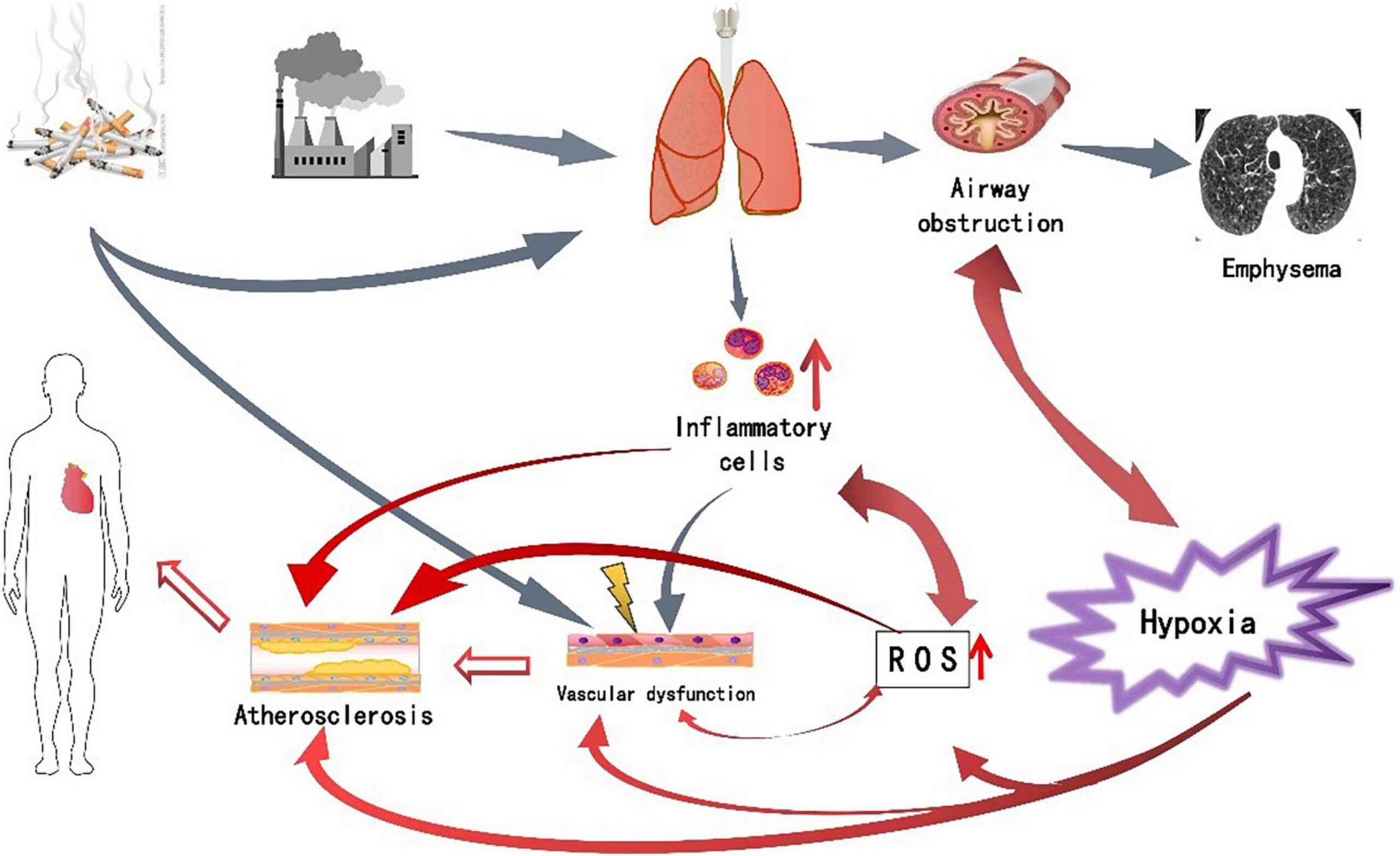
Chronic Obstructive Pulmonary Disease (COPD) is a progressive respiratory condition that affects millions worldwide, characterized primarily by airflow limitation that is not fully reversible. While COPD is primarily known for compromising lung function, emerging research highlights a concerning association between COPD, particularly when complicated by respiratory failure, and an increased risk of cardiovascular diseases, especially heart disease. This complex relationship underscores the importance of comprehensive patient management and heightened vigilance among healthcare providers.
What Is COPD and Respiratory Failure?
Overview of COPD
COPD is a chronic inflammatory lung disease that causes obstructed airflow from the lungs. Its primary symptoms include persistent cough, breathlessness, wheezing, and sputum production. The disease is strongly linked to long-term exposure to harmful particles or gases, predominantly cigarette smoke, but also environmental pollutants and occupational hazards.
Respiratory Failure in COPD Patients
Respiratory failure occurs when the lungs cannot effectively exchange gases, leading to dangerously low oxygen levels (hypoxia) and/or elevated carbon dioxide levels (hypercapnia). In COPD patients, respiratory failure indicates a severe decline in lung function, often necessitating hospitalization, oxygen therapy, or mechanical ventilation. It signals a critical phase of disease progression that demands immediate attention.
The Interplay Between Respiratory Failure and Heart Disease
The Pathophysiological Connection
The link between respiratory failure in COPD patients and increased heart disease risk is driven by multiple interconnected mechanisms:
- Hypoxia and Cardiac Strain: Chronic low oxygen levels force the heart to work harder to supply oxygenated blood, resulting in strain and potential remodeling of cardiac tissue.
- Pulmonary Hypertension: Persistent hypoxia causes constriction of pulmonary arteries, leading to elevated blood pressure within lung vessels, which exacerbates right heart strain and can lead to right-sided heart failure (cor pulmonale).
- COPD is associated with systemic inflammation that promotes atherosclerosis, the buildup of plaques in the arteries.
- Autonomic Nervous System Activation: Respiratory distress triggers sympathetic nervous system activation, increasing heart rate and blood pressure, further elevating cardiovascular risk.
Research Findings and Evidence
Recent studies and reviews, including those published in the European Medical Journal, have demonstrated that COPD patients experiencing respiratory failure are at a significantly higher risk of developing cardiovascular complications. The data suggests that respiratory failure amplifies the existing risk factors for heart disease and accelerates cardiovascular events such as myocardial infarction (heart attack) and stroke.
Clinical Implications and Management Strategies
Importance of Early Detection
Early identification of respiratory deterioration in COPD patients is vital. Regular monitoring of lung function, oxygen saturation, and symptom progression can help in timely intervention to prevent or mitigate respiratory failure.
Integrated Treatment Approaches
Effective management of COPD with respiratory failure involves a multidisciplinary approach:
- Oxygen Therapy: Supplemental oxygen improves hypoxia, reduces pulmonary hypertension, and alleviates cardiac strain.
- Medications: Bronchodilators, steroids, and anti-inflammatory drugs assist in controlling airflow limitation.
- Cardiovascular Risk Management: Addressing traditional risk factors such as hypertension, diabetes, and hyperlipidemia is crucial.
- Rehabilitation Programs: Pulmonary rehabilitation enhances respiratory function and physical activity, which benefits cardiovascular health.
- Monitoring and Treating Comorbidities: Regular cardiovascular assessments and prompt treatment of coexisting conditions can significantly lower cardiovascular event risks.
Future Directions and Research
Understanding the molecular and systemic pathways linking respiratory failure to cardiovascular disease opens avenues for targeted therapies. Research is ongoing to explore interventions that can simultaneously address pulmonary and cardiac pathology, potentially reducing mortality associated with this dual burden.
Preventive Measures and Patient Education
Prevention is key in managing COPD and its complications. Patients should be encouraged to:
- Quit smoking and avoid environmental pollutants.
- Adopt a healthy lifestyle with balanced nutrition and regular exercise.
- Comply with prescribed medications and oxygen therapy plans.
- Seek timely medical attention at the first signs of worsening symptoms.
Patient education on recognizing early signs of respiratory deterioration and understanding the importance of cardiovascular health can lead to better outcomes and improved quality of life.
Conclusion
Respiratory failure in COPD patients is not just a pulmonary issue but an indicator of heightened cardiovascular risk. Recognizing and managing this complex interplay is essential for reducing morbidity and mortality associated with both respiratory and heart diseases. As research continues to shed light on these connections, healthcare providers are better equipped to deliver comprehensive care, emphasizing prevention, early detection, and integrated treatment strategies.
By understanding the profound impact of respiratory failure on heart health, patients and clinicians can work together towards proactive management, ultimately improving survival and well-being.
For more updated news please keep visiting Hourly Prime News.