

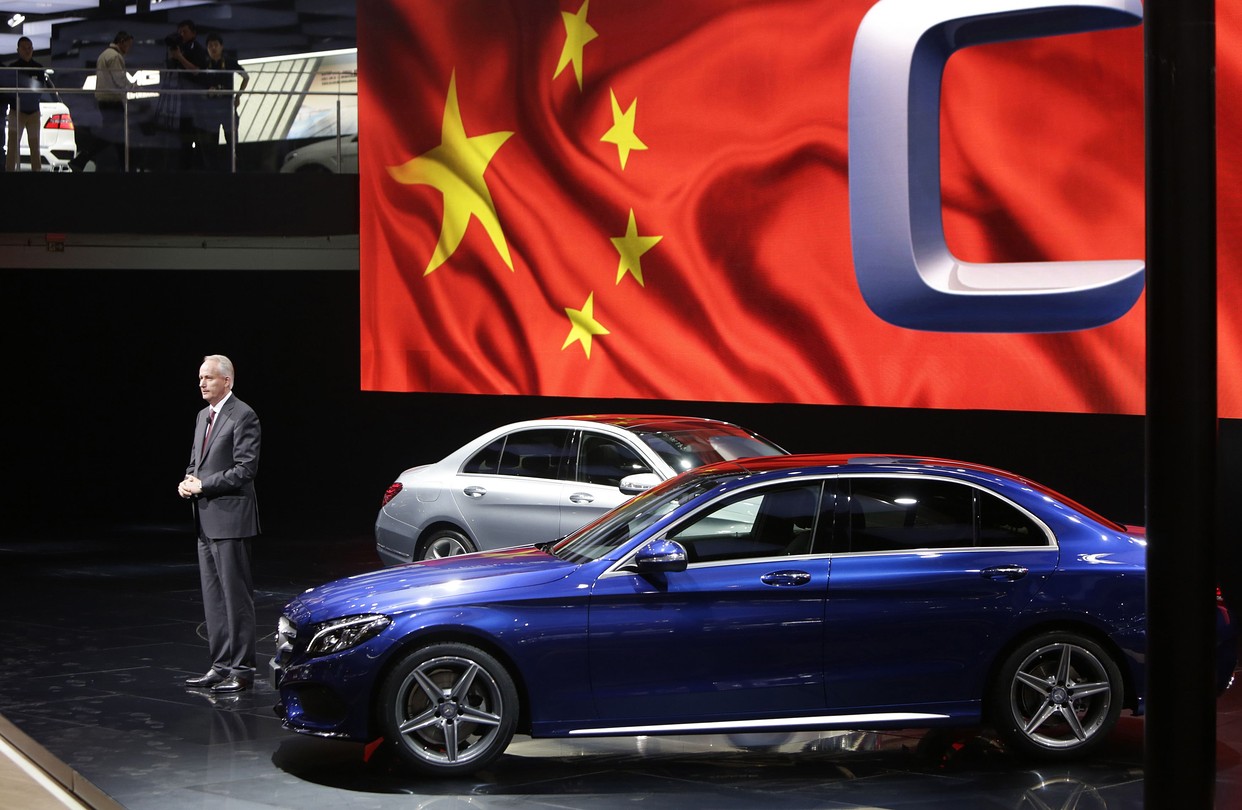
In recent years, the Chinese automotive market has undergone a remarkable transformation. Traditionally dominated by international giants like Mercedes-Benz, the landscape is now experiencing a significant shift propelled by the rapid rise of domestic automakers. This change not only reflects evolving consumer preferences but also highlights broader economic and technological factors shaping the industry.
According to 36Kr, a leading technology and business news platform, Chinese domestic automakers like BYD, Geely, and NIO have seen their market shares escalate dramatically. Their surge is attributable to a mix of factors, including aggressive investment in electric vehicle (EV) technology, extensive research and development, and strategic marketing tailored to local consumer needs.
Factors Contributing to Mercedes-Benz’s Decline
1. Growing Competition from Local Brands
In the past, Mercedes-Benz was the symbol of luxury, craftsmanship, and technological innovation in China. However, now local brands have closed the gap significantly. Companies like BYD have not only developed competitive EVs but also offered models with features that appeal directly to Chinese tastes and preferences, often at a more affordable price point.
2. Price Sensitivity and Value Proposition
Chinese consumers are increasingly value-conscious, seeking the best balance between quality and cost. Domestic automakers have responded swiftly by introducing vehicles with comparable or superior features—often at lower prices—thus eroding the traditional premium segment occupied by Mercedes-Benz.
3. Rapid Advancement in Electric Vehicle Technology
The Chinese government’s supportive policies for EV adoption have catalyzed homegrown automakers’ innovation. Brands like NIO and XPeng have developed advanced EVs with long-range capabilities, innovative autonomous driving features, and cutting-edge connectivity, giving them a competitive edge over legacy brands like Mercedes-Benz.
The Responses of Mercedes-Benz to Market Challenges
Adapting to Changing Consumer Demands
Mercedes-Benz has been actively revamping its strategies to stay relevant in the Chinese market. This includes a significant push towards electric mobility with the launch of new EV models under the EQ lineup, local partnerships, and tailored marketing campaigns that emphasize luxury, safety, and cutting-edge technology.
Investment in Innovation and Local Production
To compete effectively, Mercedes-Benz has increased its investments in local manufacturing facilities, technology centers, and R&D. These efforts aim to reduce costs, improve supply chain efficiency, and develop vehicles that cater to local preferences, including dual-language infotainment systems and region-specific customization options.
Market Trends and Future Outlook
The rise of domestic automakers isn’t just a fleeting trend—it signals a fundamental shift in China’s automotive ecosystem. While Mercedes-Benz and other traditional luxury brands continue to hold a strong market presence, their growth rates are slower compared to local brands that are rapidly capturing market share.
Looking ahead, the competition is expected to intensify with technological advancements in electric mobility, autonomous driving, and connected car features. International brands like Mercedes-Benz will need to innovate relentlessly and possibly rethink their value propositions to hold on to their consumer base.
Implications for the Global Auto Industry
- Increased Competition: The rise of Chinese automakers signals a shift not only in China but globally, influencing how international brands strategize their entry and expansion in the Chinese market.
- Innovation Drive: Domestic brands’ focus on EV technology could accelerate innovations industry-wide, pushing traditional automakers to invest heavily in new energy vehicles and sustainable practices.
- Changing Consumer Expectations: The preferences of Chinese consumers for technologically advanced, affordable, and region-specific vehicles are becoming the new industry standards worldwide.
Conclusion: A Competitive Future in the Making
The decline of Mercedes-Benz in the Chinese market, as detailed by 36Kr, underscores a pivotal moment for the global luxury car segment. While traditional brands face headwinds, there remains significant opportunity through innovation, localized strategies, and understanding evolving consumer preferences.
As Chinese automakers continue their ascendancy, established international brands will need to continually adapt and reinvent themselves to maintain relevance and market share. The competitive landscape is dynamic, promising a future where technological innovation drives consumer choice and industry growth.
In summary, the automotive industry in China is experiencing a paradigm shift that will have profound impacts on global automotive strategies. Mercedes-Benz’s current challenges are a testament to the fierce competition from domestic companies that are not only challenging the status quo but also setting new standards for the industry.
Stay tuned for more updates as the landscape continues to evolve.
For more updated news please keep visiting Hourly Prime News.