

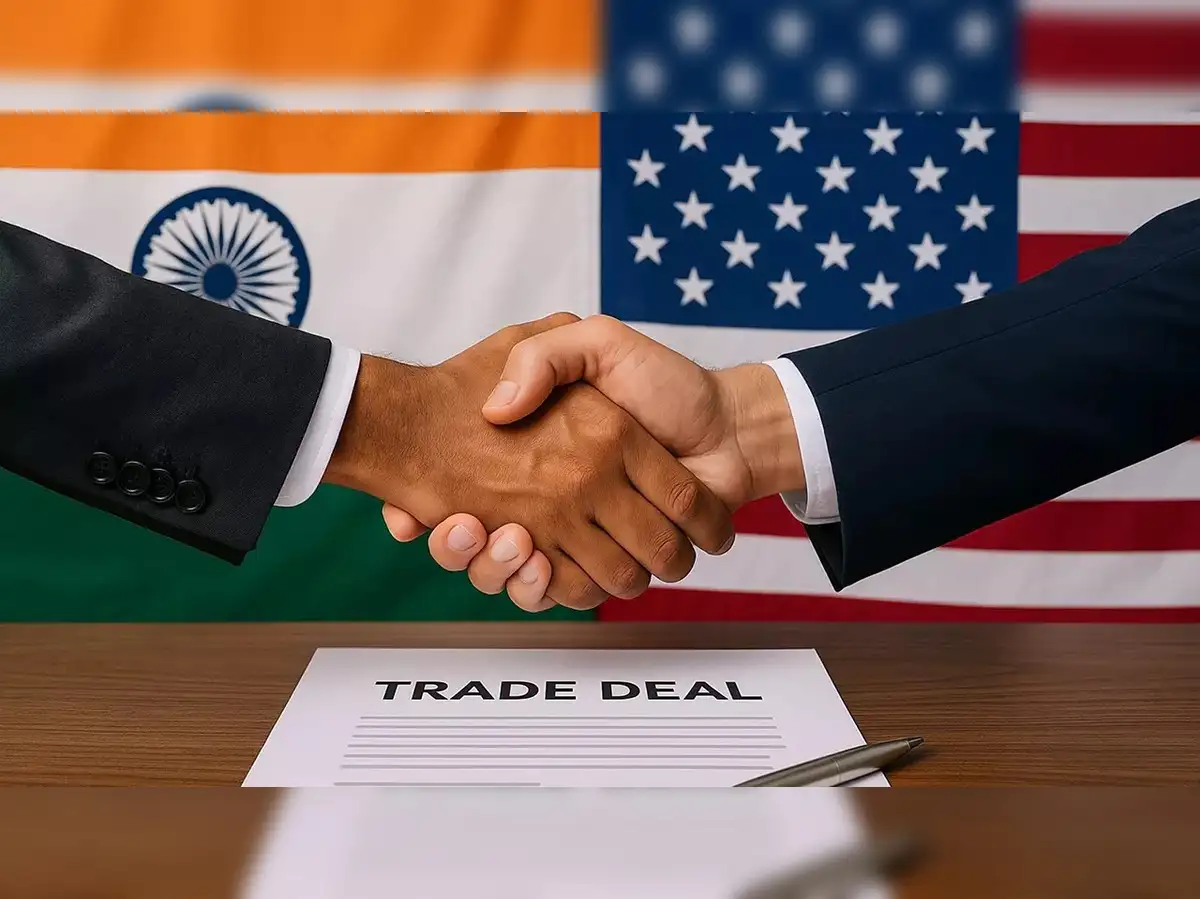
In recent years, the global trade deals has been significantly influenced by the unilateral tariff decisions of the United States. Specifically, the presidential authority to impose tariffs has been a contentious issue, sparking debates across legal, economic, and diplomatic domains. At the heart of these debates lies a crucial judicial confrontation—whether the U.S. judiciary can curb the expansive tariff powers traditionally exercised by the executive branch, particularly the President.
The Supreme Court of the United States has recently begun hearing cases concerning the legality and scope of presidential tariff authority, notably regarding the tariffs imposed during the Trump administration. These cases question whether the president has unchecked power to levy tariffs or if this authority can be constrained legally. This judicial review holds the potential to reshape the future of trade policy in the U.S. and, by extension, impact international trade negotiations.
How a Limited Tariff Power Can Lead to Financial Refunds
The Prospect of a $500 Million Refund
One of the most significant implications of this legal debate is the possibility of a financial refund—estimated at around $500 million—to entities harmed by unlawful or excessive tariffs. This refund stems from legal challenges entailing that certain tariffs, especially those implemented beyond the President’s constitutional authority, may be declared invalid. Consequently, companies and traders who paid these tariffs could be eligible for reimbursement.
What does this mean practically? When courts determine that tariffs were imposed illegally or outside statutory bounds, affected businesses—primarily importers and exporters—may have grounds to claim refunds for tariffs paid in violation of legal standards. This process not only alleviates financial burdens but also reinforces the rule of law in trade policy enforcement.
Legal Foundations for Refunds
The push for refunds is rooted in the doctrine that governmental impositions must comply with established legal frameworks. If courts find that the executive’s tariff decisions were ultra vires—meaning beyond its legal authority—those tariffs can be invalidated. In such cases, the government is compelled to refund the affected parties, ensuring fairness and adherence to constitutional principles.
The Impact on International Trade, Particularly for India
Creating a Fairer Trade Environment
The potential legal constraints on Trump’s tariff powers do not merely impact domestic U.S. policy; they have profound international repercussions. For countries like India, which have historically had complex trade relations with the U.S., a judicial move to limit tariff powers could pave the way for more predictable and equitable trade agreements.
India’s trade concerns have been significantly affected by sudden and sometimes arbitrary tariff policies, which have impacted exports ranging from pharmaceuticals to IT services. If the U.S. is legally restrained from arbitrary tariff impositions, India could benefit from increased market predictability and a more balanced negotiation stance.
This legal development might foster a global trade environment less dependent on protean executive decisions and more rooted in transparent legal standards. Consequently, countries like India can negotiate fairer trade agreements, shielded from unpredictable tariff hikes, ultimately boosting their export sectors and economic resilience.
Legal Proceedings and Judicial Perspectives
The Supreme Court’s Role
The legal battles over the scope of tariff authority are currently centered around the Supreme Court’s review of the legality of tariffs imposed under executive orders. The court’s decisions could restrict or uphold the President’s ability to use tariffs as a trade weapon.
Recent hearings have revealed a cautious deliberation on whether the executive acted within its constitutional bounds or overstepped its authority in imposing or modifying tariffs without explicit Congressional approval. The courts are thus setting a precedent that could either curb or endorse presidential tariff powers.
Judicial Arguments and Broader Implications
Legal experts argue that limiting tariff powers aligns with constitutional principles of separation of powers. If the judiciary rules that tariffs require legislative approval, it could significantly curb the executive’s unilateral trade maneuvers, fostering accountability and legal uniformity in trade policy.
Moreover, such rulings could influence future trade negotiations, encouraging multilateral and transparent decision-making processes that involve legislative oversight—potentially leading to more sustainable and mutually beneficial trade agreements.
Economic and Diplomatic Consequences
Restoring Trust and Fairness
Restricting presidential tariff powers contributes to a more predictable trade environment, which is vital for global economic stability. It assures trading partners that tariffs are imposed through accepted legal channels, not executive whims.
For India, this could mean a reduction in retaliatory tariffs and trade barriers, fostering more open markets. It enhances bilateral trust and encourages diplomatic efforts toward resolving trade disputes amicably, rather than through unilateral tariff threats.
Potential for New Trade Deals
With legal reins on tariff powers, the U.S. and India could revisit and negotiate more comprehensive, fairer trade agreements. Such deals are likely to focus on mutual benefits, digital trade, intellectual property rights, and agricultural exports, aligning with the broader goals of fair trade.
Conclusion: A Turning Point in US Trade Policy?
The judicial move to limit Trump’s tariff powers signifies a critical turning point in U.S. trade policy. Beyond the immediate legal ramifications, it has the potential to usher in a more rules-based, transparent, and equitable global trade system. For countries like India, which have historically faced challenges related to unpredictable tariffs, this development offers hope for fairer, more stable trade relations.
Moreover, the prospect of refunds—potentially around half a billion dollars—provides tangible financial relief to businesses harmed by illegitimate tariffs, reinforcing the importance of legal accountability in trade decisions.
As the Supreme Court’s rulings unfold, the world watches with interest, knowing that the outcome could reshape not only American trade policy but also influence international trade norms and economic diplomacy for years to come.
For more updated news please keep visiting Hourly Prime News.