

In recent years, the global concern over antimicrobial resistance (AMR) has intensified, highlighting the urgent need to address this looming public health threat. Countries across Africa, including the Democratic Republic of the Congo (DRC), face unique challenges in controlling AMR, particularly within the context of food safety. One of the emerging issues in Bwegera—a community within DRC—is the detection of antimicrobial-resistant bacteria in raw cow’s milk, which raises significant health and safety concerns for consumers and the wider community.
Understanding Antimicrobial Resistance (AMR)
Antimicrobial resistance occurs when bacteria, viruses, fungi, and parasites evolve in ways that render medications ineffective against them. This resistance develops primarily due to the overuse and misuse of antibiotics in humans, animals, and agriculture. In the context of livestock, antibiotics are often administered to promote growth or prevent disease. However, improper use and inadequate regulation can foster the development of resistant strains of bacteria that can transfer from animals to humans through various pathways, including through food products like raw milk.
The Context of Raw Milk Production in Bwegera
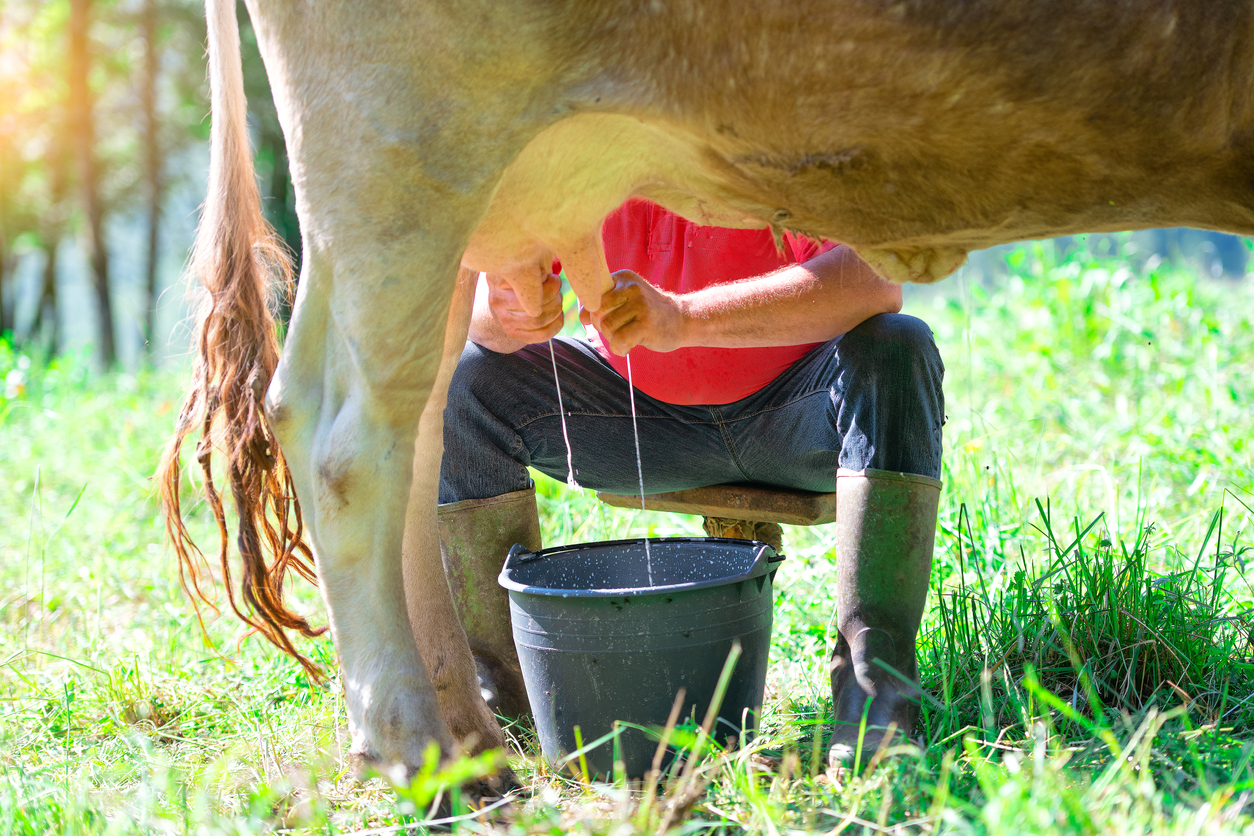
Bwegera, a rural community in the DRC, relies heavily on traditional dairy farming practices. Many farmers extract milk from cows and sell it directly to local markets without processing or proper pasteurization. While this practice sustains local economies, it also poses risks because raw milk can be a vehicle for transmitting pathogenic bacteria, some of which may have developed antimicrobial resistance.
The local dairy production systems typically lack stringent hygiene standards, which exacerbates the risk of contamination. Moreover, in regions like Bwegera, antibiotic use in dairy cattle often occurs without veterinary oversight. This unchecked use accelerates the selection pressure for resistant strains, which can then contaminate the milk supply.
Key Findings from Recent Research
Study Highlights from the BMC Microbiology Report
A recent comprehensive study published in BMC Microbiology examined the prevalence of antimicrobial-resistant bacteria in raw cow’s milk from Bwegera. The research provides several critical insights:
- High prevalence of resistant bacteria: The study found a significant percentage of raw milk samples contained bacteria resistant to commonly used antibiotics such as tetracycline, ampicillin, and chloramphenicol.
- Multidrug resistance: Many bacterial isolates showed resistance to multiple antibiotics, making infections caused by these strains more difficult to treat.
- Presence of pathogenic bacteria: Pathogens such as Escherichia coli, Salmonella, and Staphylococcus aureus were identified, with a notable proportion demonstrating antimicrobial resistance.
- Implication for public health: The contamination of raw milk with resistant bacteria heightens the risk of transmitting resistant infections to humans, especially in communities relying on unpasteurized milk.
These findings underscore the potential for raw milk to act as a vector of antimicrobial-resistant bacteria, facilitating their spread within the community.
Implications for Food Safety and Public Health
Risks Posed by Resilient Microorganisms in Milk
The presence of antimicrobial-resistant bacteria in milk significantly complicates the scenario for food safety around Bwegera and similar regions. Raw milk consumers are often unaware of the lurking dangers, particularly because cultural practices favor drinking unpasteurized milk. The key risks include:
- Increased risk of treatment failures: Infections caused by resistant bacteria may not respond to standard antibiotic therapy, leading to prolonged illnesses and increased mortality.
- Spread of resistant bacteria: Consumption or improper handling of contaminated raw milk contributes to the dissemination of resistant strains within the community.
- Public health burden: Resistant infections are more challenging and costly to treat, placing an additional burden on already strained healthcare systems.
- Impact on vulnerable groups: Young children, pregnant women, and immunocompromised individuals are particularly at risk of severe illness from resistant infections.
Challenges in Addressing Antimicrobial Resistance in Bwegera
Genetic and Environmental Factors
Tackling AMR in Bwegera faces numerous hurdles, including regional factors such as:
- Lack of regulatory oversight: There is minimal regulation concerning antibiotic use in livestock, leading to widespread misuse.
- Limited access to veterinary services: Farmers often administer antibiotics without veterinary guidance, facilitating improper dosing and duration.
- Poor sanitation and hygiene: Inadequate farm hygiene increases the likelihood of bacterial contamination and spread.
- Insufficient awareness: Both farmers and consumers lack awareness of the risks associated with antimicrobial resistance and improper handling of raw milk.
Strategies for Mitigating Risks and Enhancing Food Safety
Policy and Community-Based Interventions
Effective strategies to combat these challenges should include a multi-pronged approach:
- Strengthening regulations: Implementing and enforcing policies that regulate antibiotic use in livestock and enforce hygiene standards in dairies.
- Education and awareness campaigns: Raising awareness among farmers about the dangers of antibiotic misuse and the importance of proper milk handling and hygiene.
- Veterinary oversight: Promoting access to veterinary services to ensure judicious antibiotic use and proper treatment of animals.
- Improving farm hygiene practices: Encouraging farmers to adopt better sanitation practices, including cleansing milking equipment and proper storage.
- Promotion of pasteurization: Educating communities on the benefits of pasteurizing milk before consumption to eliminate pathogenic bacteria, including resistant strains.
Long-term Solutions and Global Implications
Addressing antimicrobial resistance in local contexts like Bwegera aligns with global health goals. Implementing sustainable practices not only improves local food safety but also reduces the risk of resistant bacteria entering wider food and medical systems. International collaborations and funding support can facilitate better infrastructure, training, and regulation enforcement.
Conclusion
Antimicrobial resistance in raw cow’s milk in Bwegera exemplifies a pressing public health challenge that requires urgent action. With appropriate intervention measures, community education, and policy implementation, it is possible to mitigate the risks posed by resistant bacteria. Ensuring food safety is a collective responsibility—bringing together farmers, health officials, policymakers, and consumers to foster a safer food environment for all.
By recognizing the gravity of antimicrobial resistance and proactively addressing it, communities like Bwegera can protect their populations from the severe health impacts of resistant infections while promoting sustainable agricultural and food safety practices.
For more updated news please keep visiting Hourly Prime News.