

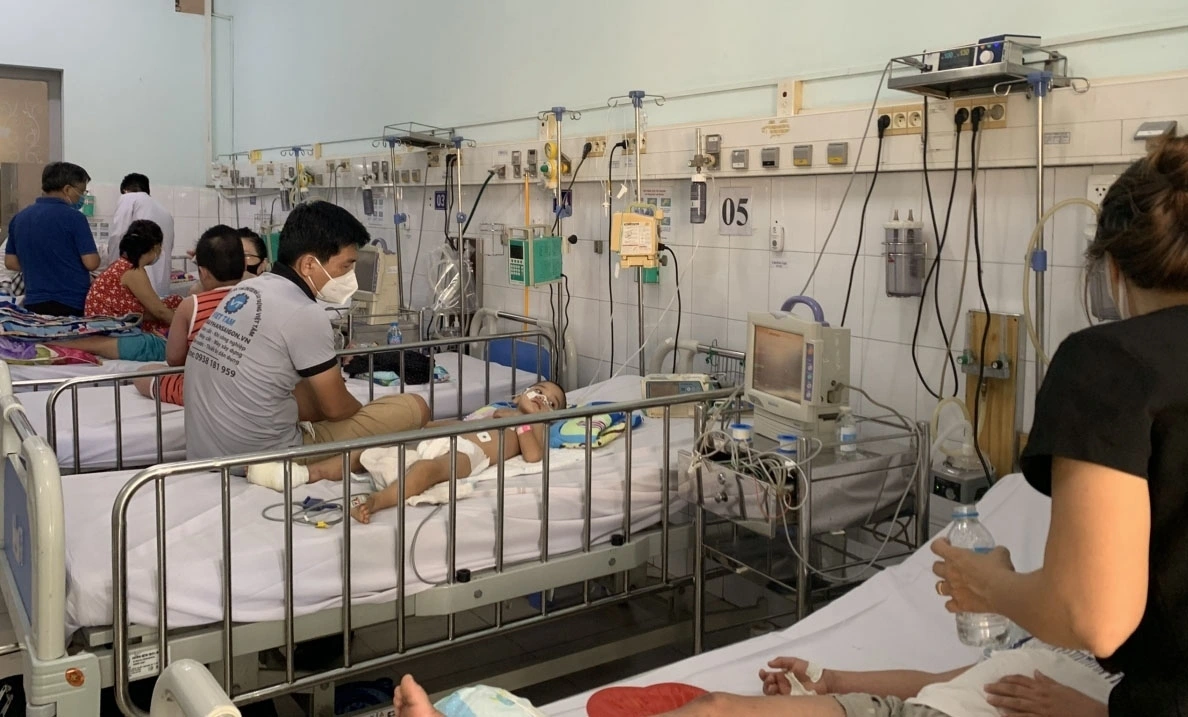
In recent weeks, the bustling capital of Vietnam, Hanoi, has experienced an alarming surge in cases of dengue fever. Once considered a seasonal or localized issue, the rise in dengue infections now poses a significant public health challenge for authorities, healthcare professionals, and residents alike. The increasing prevalence of this mosquito-borne disease underscores the urgent need for comprehensive preventive measures, heightened awareness, and effective medical responses.
The Current Situation: An Unprecedented Spike in Cases
The Data and Statistics
According to recent reports from tripuratimes.com, the number of dengue cases in Hanoi has doubled compared to the same period last year. Health authorities report thousands of new cases being registered weekly, overwhelming local clinics and hospitals.
- Reported cases: Over 10,000 in the past month
- Fatalities: Several deaths linked to severe dengue complications
- Affected areas: Widespread across urban districts and suburban regions
Why Are Cases Rising?
This rapid increase can be attributed to multiple intertwined factors:
- Climate Conditions: Hanoi is experiencing warmer and more humid weather, ideal for Aedes mosquitoes that transmit dengue.
- Urbanization & Waste Disposal: Overcrowded neighborhoods with poor waste management provide breeding grounds for mosquitoes.
- Lagging Vector Control Efforts: Insufficient mosquito eradication programs and community awareness initiatives have contributed to the proliferation of the Aedes aegypti mosquito population.
- Delays in Medical Intervention: Late detection and treatment worsen patient outcomes and facilitate disease spread.
Health Impacts and Challenges
The Severity of Dengue Fever
Dengue fever presents a wide spectrum of health issues, from mild flu-like symptoms to severe hemorrhagic fever and dengue shock syndrome, which can be fatal if not treated promptly. Symptoms typically include high fever, intense headache, pain behind the eyes, muscle and joint pains, rash, and fatigue. Severe cases can result in internal bleeding, organ failure, and death.
Challenges Faced by Healthcare System
The surge has placed significant strain on Hanoi’s healthcare infrastructure, with hospitals struggling to handle the influx of patients. Limited resources, such as hospital beds, intravenous fluids, and diagnostic kits, complicate treatment protocols. Furthermore, healthcare workers face increased risks of infection themselves, especially in outpatient settings where asymptomatic carriers may unknowingly contribute to transmission.
Preventive Measures and Community Involvement
Government and Local Authorities Response
In response to the alarming trend, Hanoi’s public health department has launched multiple initiatives:
- Enhanced vector control: Conducting widespread fogging and larvicidal treatments in high-risk zones.
- Public awareness campaigns: Educating communities about eliminating mosquito breeding sites, such as stagnant water in containers, discarded tires, and uncovered water storage units.
- Surveillance and reporting: Establishing improved disease monitoring systems for early detection and response.
Community Contributions and Individual Precautions
Community participation is crucial in curbing dengue transmission. Residents are encouraged to:
- Eliminate standing water: Regularly clear water from flower pots, buckets, drains, and other containers.
- Use protective clothing: Wear long sleeves and pants, especially during dawn and dusk when mosquitoes are most active.
- Install screens: Use window and door screens to prevent mosquito entry.
- Apply repellents: Use approved repellents containing DEET or picaridin on exposed skin.
- Seek early medical care: Promptly visit health clinics if symptoms appear to prevent complications.
Long-Term Strategies to Combat Dengue
Besides immediate reactive measures, Hanoi is eyeing long-term strategies to minimize future outbreaks:
Innovative Mosquito Control Techniques
Research into biological control methods, such as releasing genetically modified sterile mosquitoes or natural predators, is gaining momentum. These approaches aim to sustainably reduce mosquito populations without reliance on chemical insecticides.
Urban Planning and Waste Management
Implementing better urban design that discourages water stagnation and ensures proper drainage can significantly diminish breeding habitats. Encouraging community-led cleanliness drives and waste disposal reforms are vital parts of this effort.
Public Health Education and Engagement
Continuous awareness campaigns tailored to different demographic groups can empower citizens to take ownership of disease prevention efforts. Schools, local organizations, and media outlets must collaborate to maintain high levels of community engagement.
Global and Regional Context
Hanoi’s dengue surge is not an isolated incident. Across Southeast Asia, countries like Thailand, Cambodia, and the Philippines are experiencing similar trends. This regional pattern emphasizes the need for coordinated cross-border initiatives for vector control, disease surveillance, and sharing of best practices.
Conclusion: A Call to Action
The rising dengue cases in Hanoi serve as a stark reminder of the ever-present threat posed by vector-borne diseases in our urban environments. Addressing this challenge requires a combined effort involving governmental agencies, healthcare providers, community members, and individual citizens. Proactive prevention, prompt medical care, and sustainable urban planning are essential to curb the current surge and prevent future outbreaks.
As Hanoi battles this health crisis, vigilance, education, and community participation will be key to safeguarding public health now and in the years to come.
Stay informed and vigilant. Together, we can combat dengue fever and protect our communities.
For more updated news please keep visiting Hourly Prime News.