

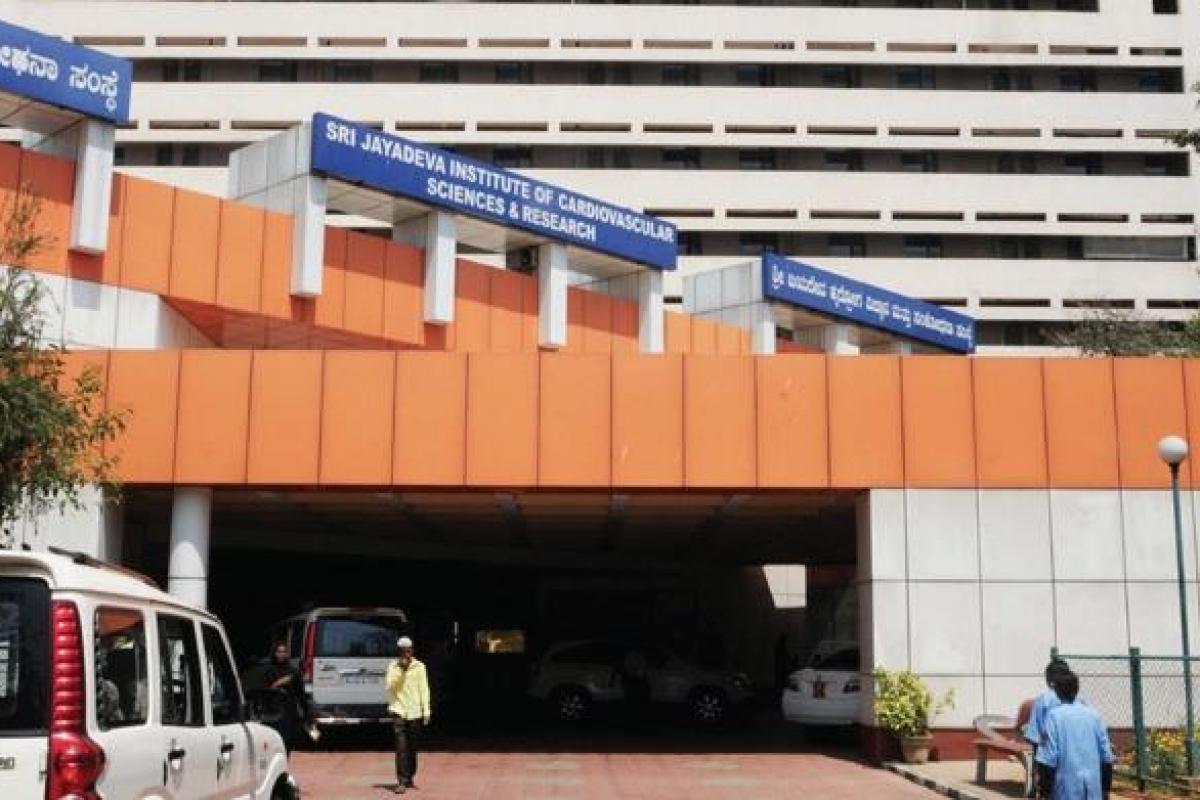
In recent years, the scientific community has witnessed groundbreaking advances in understanding the complex relationship between various infectious diseases and cardiovascular health. Among these remarkable strides, the research conducted by Jayadeva Institute of Cardiovascular Sciences and Research has garnered widespread acclaim for its pioneering exploration into the links between HIV and heart disease. This breakthrough study not only sheds light on previously uncharted medical territories but also underscores the importance of regional research endeavors in contributing to global health solutions.
The Significance of the Study
HIV/AIDS has traditionally been associated with immune system deterioration, opportunistic infections, and associated complications. However, as antiretroviral therapy (ART) becomes more effective and widens its reach, the life expectancy of HIV-positive individuals significantly increases. This shift has led researchers to observe that cardiovascular diseases, particularly heart ailments, are emerging as prominent health concerns within this population. The Jayadeva study marks a critical turning point in this domain by thoroughly investigating the prevalence and mechanisms of HIV-linked heart diseases.
The primary focus of the research was to analyze how HIV influences cardiac health, investigate the underlying pathophysiology, and explore potential interventions to mitigate this risk. By combining clinical data with molecular research techniques, the team led by eminent scientists has successfully identified specific pathways by which HIV accelerates the development of atherosclerosis, myocarditis, and other cardiovascular conditions.
Key Findings and Contributions
The Jayadeva study provides several noteworthy insights that have captured the attention of medical experts worldwide, including:
- Enhanced Understanding of Pathogenesis: The research demonstrates that HIV infection triggers chronic inflammation, which in turn leads to endothelial dysfunction—a precursor for many heart-related issues. This inflammation persists even in patients undergoing ART, emphasizing the need for targeted therapies addressing residual inflammation.
- Identification of Biomarkers: The study highlights specific biomarkers that can serve as early indicators of cardiac risk in HIV-positive individuals, allowing for proactive management and personalized treatment plans.
- Therapeutic Strategies: Researchers have explored how existing cardiovascular medications can be optimized for HIV patients and emphasized the importance of integrating cardiological care into HIV management protocols.
- Regional Data with Global Relevance: While the research was conducted in India, its findings resonate globally, especially for regions experiencing a rise in HIV cases and facing similar healthcare challenges.
Global Impact and Recognition
This pioneering research has earned Jayadeva international recognition for several reasons:
- It fills a significant knowledge gap regarding how HIV interacts with cardiovascular health, which has long been insufficiently explored, especially in developing countries.
- The study’s innovative approach combines clinical observations with advanced molecular techniques, offering a comprehensive understanding of the disease process.
- It provides a blueprint for future research and enhances the capacity of healthcare systems worldwide to address HIV-related comorbidities proactively.
In particular, the findings have been published in reputable scientific journals and cited by researchers worldwide, positioning Jayadeva as a global leader in this niche but critical field of study. The research’s recognition was prominently highlighted in The Hindu, a leading Indian newspaper, which underlined the importance of regional research translating into global health advancements (
The Road Ahead
The recognition of this vital research paves the way for a more integrated healthcare approach, emphasizing the importance of considering comorbid conditions in HIV management. It urges policymakers and healthcare providers globally to incorporate cardiovascular screening and prevention strategies into HIV treatment protocols. Moreover, the study has encouraged further research to develop targeted anti-inflammatory therapies, personalized medicine, and innovative diagnostic tools tailored for HIV-infected populations.
With ongoing global efforts and collaborations, it is expected that these advancements will translate into improved patient outcomes and stronger healthcare systems capable of addressing multifaceted health issues. The work done by Jayadeva not only enhances scientific understanding but also exemplifies how regional research efforts can make a significant global impact.
Conclusion
The international acclaim received by Jayadeva’s groundbreaking study on HIV-linked heart disease reflects the critical importance of localized research in tackling global health challenges. It underlines the necessity for continuous scientific inquiry, interdisciplinary collaboration, and the integration of innovative methodologies to combat complex diseases.
This recognition inspires upcoming generations of researchers and clinicians to push the boundaries of medical science, fostering a future where comprehensive, personalized, and effective healthcare becomes universally accessible. The journey from regional study to global acknowledgment exemplifies the transformative power of dedicated scientific endeavor in improving lives worldwide.
For more updated news please keep visiting Hourly Prime News.