

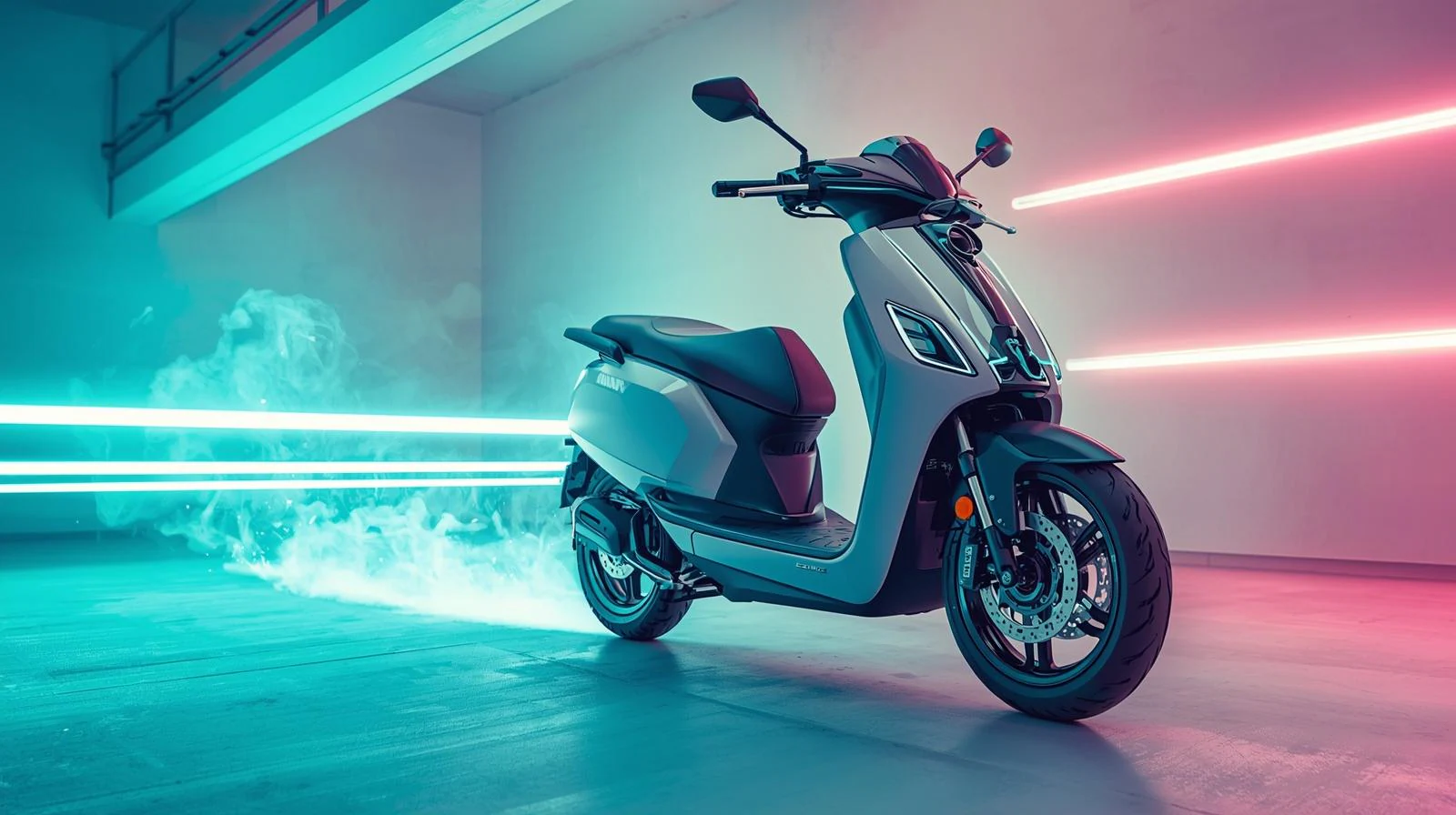
The Indian two-wheeler industry, already a colossal segment not just domestically but also with growing global interest, has witnessed an electrifying shift in October. Bajaj Auto has successfully overtaken TVS Motor Company to establish itself as the market leader in the electric two-wheeler segment. This transition signifies a crucial milestone, reflecting evolving consumer preferences, strategic innovations by manufacturers, and the impact of government policies promoting green mobility.
Market Dynamics and Growth Drivers
The electric two-wheeler market in India has seen exponential growth over recent years. Several factors have contributed to this surge, including increasing awareness of environmental issues, rising fuel prices, government incentives, and a robust push towards sustainable transportation solutions. Bajaj Auto’s rise to the top spot in October is noteworthy, considering its competitors’ longstanding presence.
Strategies Behind Bajaj’s Success
Bajaj Auto’s strategic approach has involved expanding its electric vehicle (EV) portfolio with innovative models tailored to Indian consumers. The company’s focus on affordability, reliability, and style has resonated well with urban commuters and first-time EV buyers. Additionally, Bajaj’s extensive distribution network and aggressive marketing campaigns have bolstered its visibility in key markets.
Some specific actions that contributed to Bajaj’s market leadership include:
- Product Diversification: Bajaj introduced multiple electric scooter variants catering to different price points and customer segments, including compact city commuters and slightly premium users.
- Pricing Strategies: Competitive pricing has made Bajaj electric scooters a feasible choice for a wider audience, aligning with the Indian consumer’s price sensitivity.
- After-Sales Service and Infrastructure: Bajaj has invested in enhancing its after-sales network and partnered with charging infrastructure providers to increase convenience for users.
The Fall and Rise of TVS in the Electric Segment
While TVS Motor Company has traditionally been a formidable player in the two-wheeler space, its electric segment faced stiff competition in October. Despite earlier successes and innovations like the TVS iQube, recent market figures show that TVS has been slightly edged out by Bajaj. TVS’s challenge now lies in scaling up its electric offerings, expanding the reach, and further aligning product features with consumer demands.
Challenges and Opportunities for TVS
- Product Development: To regain its position, TVS needs to accelerate the development of newer, more feature-rich electric models with longer range and faster charging capabilities.
- Market Penetration: Expanding into tier 2 and tier 3 cities will be vital for TVS, as rural and semi-urban markets increasingly embrace electric mobility.
- Consumer Engagement: Investing in innovative marketing strategies and customer engagement programs can help bolster brand loyalty in the electric segment.
Implications for the Indian Electric Two-Wheeler Market
This shift in leadership heralds a new era for electric mobility in India. The ascent of Bajaj reflects not only the company’s strategic prowess but also indicates a broader industry trend towards more competitive, technology-driven, and customer-centric electric two-wheelers. Market analysts believe that such competition will fuel further innovation, leading to better products, improved charging infrastructure, and lower costs for consumers.
Moreover, government policies like subsidies, tax benefits, and incentives for EV manufacturers and buyers are playing an instrumental role. This regulatory support is expected to continue, encouraging more players to invest confidently in the electric segment.
The Road Ahead: Future Prospects
Looking forward, the Indian electric two-wheeler industry appears poised for rapid growth. Bajaj’s recent victory is a sign of not just current success but also a glimpse into future trends:
- Increased Competition: Other traditional and new entrants are expected to intensify efforts, which will benefit consumers through better choices and prices.
- Technological Advancements: Innovations in battery technology, lightweight materials, and smart connectivity features will enhance user experience and range capabilities.
- Expanding Market Reach: As charging infrastructure matures and urban congestion persists, electric two-wheelers will become the default choice for many commuters, especially in crowded cities.
However, challenges such as high upfront costs, battery recycling, and scaling infrastructure remain. A collaborative effort between manufacturers, government bodies, and consumers will be essential to harness the full potential of electric two-wheelers in India.
Conclusion
The recent overtaking of TVS by Bajaj Auto in October marks a significant turning point in India’s electric two-wheeler landscape. It exemplifies how strategic innovation, consumer focus, and supportive policies can reshape market dynamics swiftly. Both Bajaj and TVS are likely to continue competing fiercely, pushing the boundaries of what electric mobility can achieve in India. As the industry evolves, consumers stand to benefit from more advanced, affordable, and accessible electric two-wheelers.
This shift underscores the importance of agility and adaptability in the competitive landscape. Both established players and new entrants must stay ahead of technological trends and consumer preferences to secure their positions in this booming sector.
In summary:
- Bajaj Auto has overtaken TVS Motor to lead the electric two-wheeler market in October.
- The market is driven by innovations in product offerings, pricing, and infrastructure.
- Future growth depends on continued technological advancements and expanded charging networks.
The changing tide highlights India’s commitment to green mobility and sustainable transportation solutions—an industry that’s set to grow exponentially over the coming years.
For more updated news please keep visiting Hourly Prime News.