

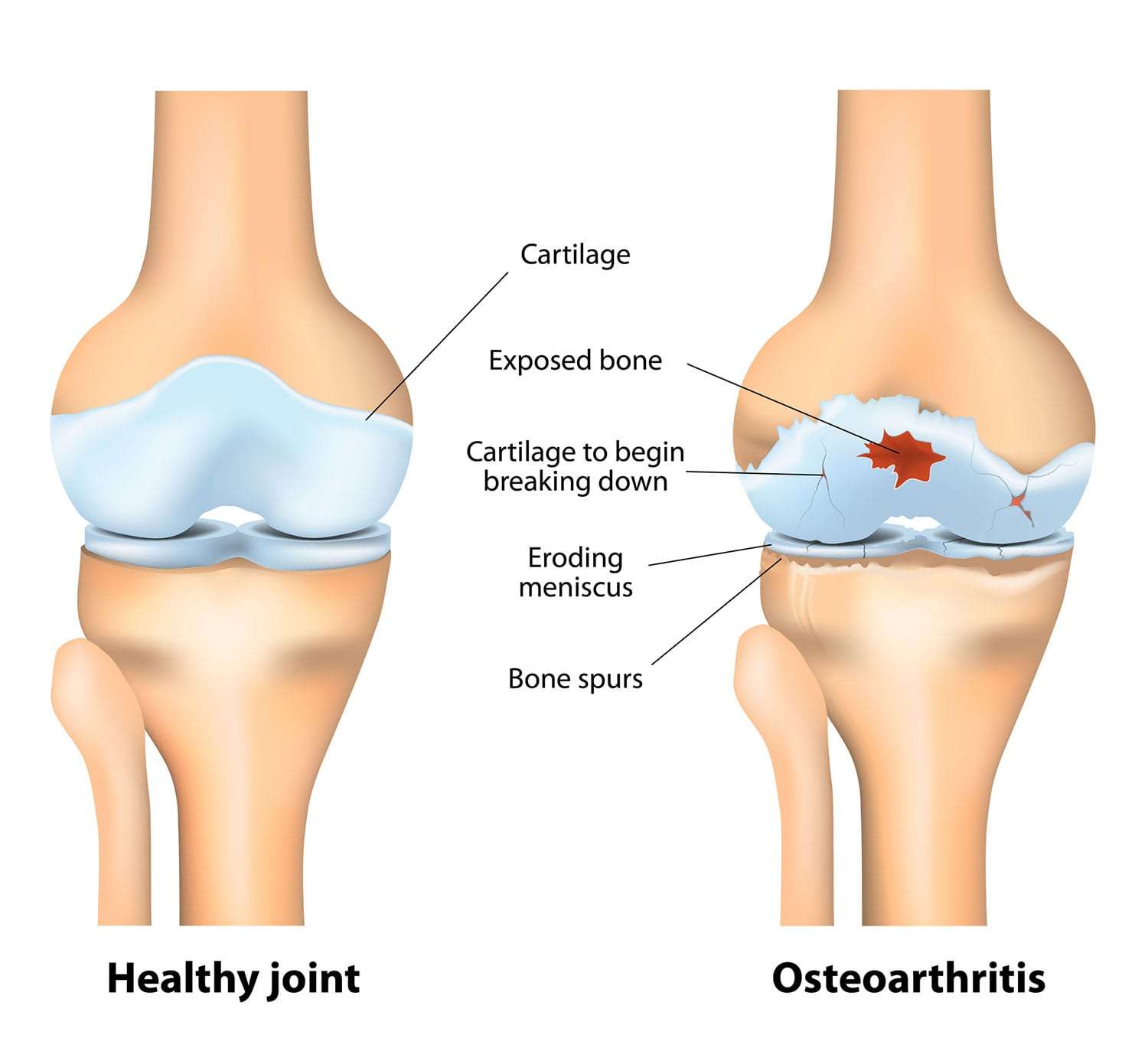
Our bones and joints form the foundation of our body’s structure and mobility. They are essential for daily activities such as walking, running, lifting, and even sitting comfortably. Despite their importance, many of us tend to take them for granted until issues arise. Maintaining healthy bones and joints is crucial for a high quality of life, especially as we age. This article aims to challenge your knowledge and enhance your understanding of bone and joint health through engaging facts and a comprehensive quiz. Test your awareness and learn valuable tips to keep these vital parts of your body in excellent condition.
Understanding Bone Health: The Foundation of Our Body
Bones are dynamic organs, constantly undergoing processes of formation and resorption. They provide structural support, protect vital organs, and serve as a reservoir for minerals like calcium and phosphorus. To stay healthy, bones require proper nutrition, physical activity, and lifestyle choices.
Key Factors Affecting Bone Health
- Calcium and Vitamin D: Essential for bone mineralization. Deficiencies can lead to conditions like osteoporosis.
- Regular Weight-Bearing Exercise: Activities such as walking, jogging, and resistance training stimulate bone formation.
- Avoidance of Smoking and Excessive Alcohol: Both habits accelerate bone loss and impair bone strength.
- Age and Hormonal Changes: As we age, especially after menopause, bone density decreases. Hormonal balance plays a significant role.
- Genetics: Family history can influence susceptibility to bone diseases.
Joints and Their Role in Mobility
Joints are the points where two or more bones meet, allowing movement and flexibility. Types of joints include fixed joints (immovable), such as sutures in the skull, and synovial joints (freely movable), such as the knees and elbows.
Common Joint Problems
- Arthritis: An inflammation of the joints causing pain, stiffness, and swelling.
- Osteoarthritis: Degenerative joint disease affecting cartilage, common in aging populations.
- Rheumatoid Arthritis: An autoimmune disorder leading to joint destruction.
- Ligament Injuries: Sprains or tears can impair joint stability.
- Gout: A form of arthritis caused by uric acid buildup.
Maintaining joint flexibility and strength is vital to prevent injuries and degenerative diseases.
Engaging with the Science Quiz: Test and Expand Your Knowledge
The Hindu has put together a stimulating Science Quiz on Bone and Joint Health that challenges your understanding of these vital topics. Whether you’re a student, a health enthusiast, or just curious, taking this quiz can be both fun and educational.
Science Quiz: On bone and joint health provides a fantastic opportunity to test your knowledge and identify areas for further learning.
Why Take This Quiz?
- Assess Your Current Knowledge: Discover what you already know about bone and joint health.
- Identify Knowledge Gaps: Learn important facts you might be unaware of.
- Promote Awareness: Recognize the significance of maintaining strong bones and flexible joints.
- Encourage Healthy Habits: Gain insights into lifestyle choices that support skeletal health.
- Stay Informed: Keep yourself updated with the latest scientific findings and health tips.
Practical Tips for Maintaining Bone and Joint Health
Maintaining a healthy skeletal system is a lifelong process. Here are some practical tips to help protect your bones and joints:
Dietary Choices:
- Consume foods rich in calcium such as dairy products, leafy green vegetables, and fortified foods.
- Ensure sufficient Vitamin D intake through sunlight exposure and dietary sources like fatty fish and fortified dairy.
- Limit processed foods high in sugar and salt, which can negatively affect bone health.
Physical Activity:
- Engage in weight-bearing and resistance exercises regularly.
- Include stretching routines to maintain flexibility.
- Practice low-impact activities like swimming or cycling to reduce joint stress.
Healthy Lifestyle Habits:
- Avoid smoking and excessive alcohol consumption.
- Maintain a healthy weight to reduce stress on joints.
- Regular check-ups to monitor bone density and joint health.
Emerging Research and Future Perspectives
Scientific research continually advances our understanding of bone and joint health. Innovative approaches such as stem cell therapy, genetic research, and new pharmacological treatments hold promise for those suffering from debilitating conditions. Staying informed and proactive can lead to early intervention and better management of bone-related disorders.
Conclusion: Take Action Today
Understanding the intricacies of your bones and joints empowers you to make informed decisions that promote lifelong health. Engage with quizzes like the one provided by The Hindu and challenge yourself. Remember, prevention is better than cure; adopting healthy habits now can prevent serious issues in the future.
Test your knowledge, stay curious, and prioritize your skeletal health. Your bones and joints will thank you for it!
Final Note
For more updated news please keep visiting Hourly Prime News.