

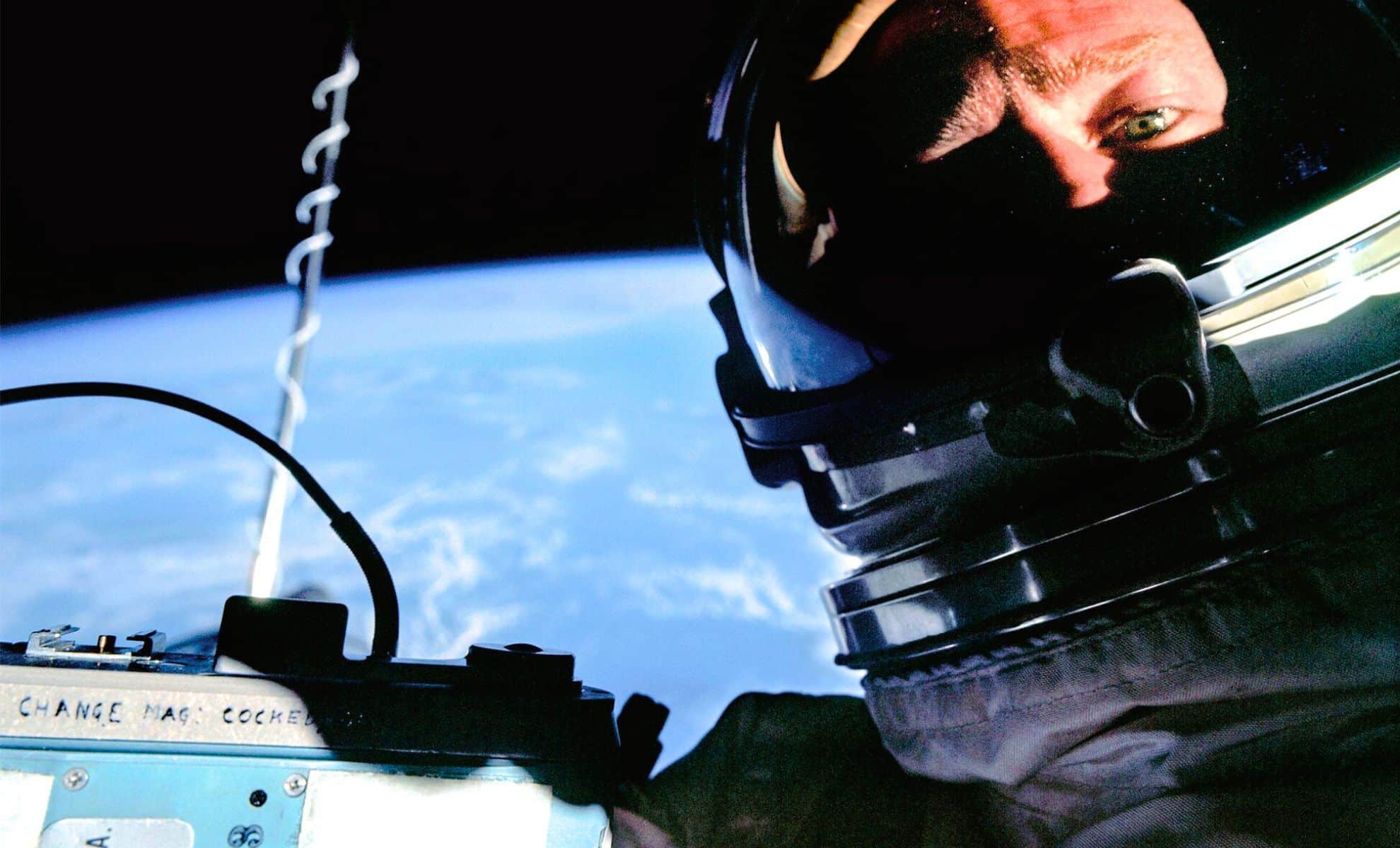
Over the decades, NASA has captured some of the most iconic images of our universe, showcasing the awe-inspiring vastness of space and the intricate details of celestial bodies. Recently, the organization embarked on an ambitious project to restore and preserve these historic photographs. The result is a mesmerizing collection that offers not only visual splendor but also a profound insight into our cosmic journey. This effort transforms what was once raw, grainy footage into high-definition visuals, allowing both scientists and enthusiasts to experience space as never before.
The Significance of Restoring NASA’s Original Space Photos
The restoration of NASA’s historic space photos is more than a technological feat; it is a meticulous endeavor that blends advanced digital techniques with reverence for scientific history. These images serve as tangible links to the past, providing context for the discoveries that have shaped modern astrophysics and space exploration.
As from Indian Defence Review highlights, “The result is pure visual history,” emphasizing how these restored images reconnect us with a pivotal era of space exploration.
Highlights of NASA’s Restored Space Photos
1. Witnessing Historical Missions in Stunning Detail
The first images to be restored come from groundbreaking missions such as Apollo 11, the first manned moon landing. These photographs, once viewed with limited resolution, now display intricate surface textures and astronauts’ activities with unprecedented clarity. Viewers can almost feel the dust of the lunar surface or the glow of distant planets.
2. Revealing the Magnificence of Celestial Objects
Beyond human exploration, NASA’s archive includes images of planets, stars, and nebulae. Restoring these images unveils cosmic phenomena that are often hidden by technical limitations of early photography. For example, the vibrant colors of distant nebulae or the rugged terrain of Mars are now vividly brought to life, creating a masterpiece of visual storytelling.
3. Connecting Past and Present Through Visual Evolution
The restored images illustrate the technological progression of space imaging—from grainy black-and-white photographs to high-fidelity digital renderings. This evolution not only pays homage to old techniques but also allows future generations to compare and appreciate advancements in imaging technology.
The Elegance of Digital Restoration Techniques
The process of restoring NASA’s historic photographs involves multiple sophisticated digital techniques:
- High-Resolution Enhancement: Super-resolution algorithms upscale the images without losing detail, bringing clarity to blurred or pixelated shots.
- Color Restoration: Many early space images were black and white or had faded colors. Advanced colorization techniques reintroduce hues based on scientific data, providing a more accurate visual representation of celestial bodies.
- Noise Reduction and Repair: Digital noise and scratches are meticulously removed, revealing the pristine state of the original image.
- 3D Reconstruction: In some cases, multiple images are combined to create three-dimensional views, offering immersive perspectives of space features.
These techniques require both cutting-edge technology and an understanding of celestial phenomena, ensuring that the restored images are as accurate and compelling as possible.
Impacts on Scientific Research and Public Appreciation
Enhancing Scientific Understanding
High-quality images are invaluable for research. Accurate visual data assists scientists in analyzing surface compositions, atmospheric conditions, and dynamic processes across various celestial bodies.
For instance, detailed images of Mars help scientists identify potential landing sites or signs of past water activity. Similarly, clear views of the Moon’s surface provide insights into its geological history.
Inspiring Public Engagement
Visually stunning images foster curiosity and inspire future generations of scientists, engineers, and explorers. Restored photographs serve as educational tools, captivating audiences and making complex space phenomena more accessible.
The aesthetic beauty of these images bridges the gap between scientific research and popular interest, encouraging a broader appreciation for space exploration.
The Cultural and Historical Value of Restored Space Photos
Restoring NASA’s historic images preserves our collective memory of the space age. These photographs are artifacts of human ingenuity and perseverance, capturing moments that defined an era of discovery.
They act as visual time capsules, reminding us of the tremendous achievements of space agencies and the boundless curiosity that drives humanity forward.
Future Perspectives: Continuing the Legacy of Space Imaging
The ongoing efforts in image restoration and enhancement promise even more spectacular visuals in the future. As technology advances, we can expect to see:
- More High-Definition Imagery: Providing deeper insights into distant worlds and cosmic phenomena.
- Real-Time Processing: Allowing live viewing of space missions with enhanced clarity.
- Interactive Visualizations: Enabling users to explore space images in 3D and VR environments.
Such innovations will deepen our understanding of the universe and make space exploration more engaging for everyone.
Conclusion
The restoration of NASA’s historic space photos is a milestone that reconnects us with our cosmic roots. It marries the technological marvels of the past with today’s digital capabilities, resulting in a breathtaking collection that is both educational and inspiring. These images serve as a beautiful testament to human curiosity, scientific achievement, and the unyielding desire to explore the unknown.
As we continue to explore the universe, the visual history preserved through these restored photographs will remain a beacon of inspiration for future generations to reach for the stars.
For more updated news please keep visiting Hourly Prime News.