

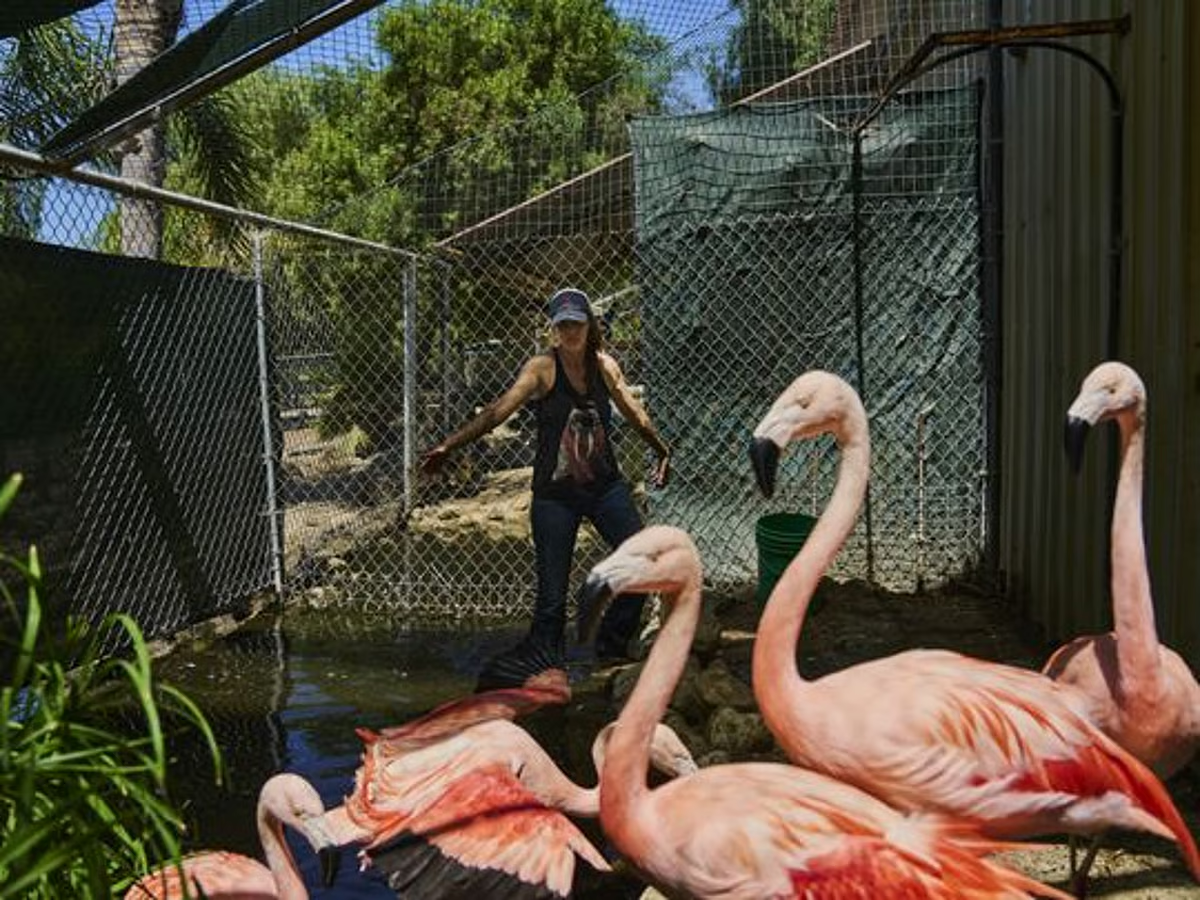
Hollywood has long been a platform where animal actors have stolen the spotlight, captivating audiences with their charm, intelligence, and unique abilities. From the loyal dogs in family movies to the majestic horses in epic sagas, animal performers have played a vital role in shaping cinematic history. However, in recent years, there has been a noticeable decline in opportunities for these talented creatures. This trend raises questions about the factors behind this dwindling presence and what it means for the future of animals in the entertainment industry.
Understanding the Decline: An Overview
As discussed in the article “Out to Pasture: Why Hollywood’s Animal Actors Can’t Find Work” published on IMDb, several critical factors have contributed to this decline. These range from rising ethical considerations and legal restrictions to evolving technology and changing audience preferences.
Key Factors Behind the Dwindling Opportunities
1. Ethical Concerns and Animal Welfare Regulations
- Growing awareness about animal rights has led to increased scrutiny of how animals are treated during film productions.
- Legislation such as the Animal Welfare Act and strict industry guidelines have made it more challenging and costly to utilize live animals on set.
- Public opinion increasingly favors humane treatment, leading studios to reconsider using live animals to avoid backlash and legal repercussions.
2. Advancements in Technology and Digital Effects
- CGI and visual effects have revolutionized filmmaking, allowing creators to craft realistic animal representations without actual animals.
- Cost-effectiveness and convenience of CGI often make it more attractive than maintaining trained animals on set.
- Creative flexibility is enhanced through digital effects, enabling even complex scenes with animals to be created without risking animal welfare.
3. Changing Audience Preferences and Content Trends
- Audience sensibilities are shifting, with modern viewers favoring stories that focus on human characters or animated creatures.
- Animation and digital characters increasingly replace live animals in new productions, reducing demand for animal actors.
- Content moderation is also influenced by social movements that promote ethical storytelling, moving away from depictions involving animal exploitation.
4. Logistical and Practical Challenges
- Training and handling of animal actors require significant resources, patience, and expertise, which not all studios are willing to invest in.
- Safety concerns regarding animal injuries or unpredictable behavior complicate production planning.
- Limited talent pool as fewer trainers and facilities are available to support animal actors, especially for specialized roles.
The Impact of These Changes
The cumulative effect of these factors is a noticeable contraction in the roles available to animal performers. While iconic animals like Lassie or Rin Tin Tin remain cultural touchstones, current productions are less reliant on real animals, opting instead for digital alternatives. This shift not only affects animals but also the trainers, caretakers, and industry professionals whose livelihoods depend on the entertainment use of animals.
What Does the Future Hold for Animal Actors?
Potential Opportunities and Challenges
- Ethical filmmaking is driving the industry towards more humane practices, which could further reduce the use of live animals but also encourage innovation in digital effects.
- Specialized roles for animal trainers might evolve, emphasizing conservation and educational projects rather than film work.
- Public demand for ethically responsible movies may foster a niche market that supports well-treated, ethically sourced animal roles.
Gazing Ahead: Balancing Art and Ethics
While the decline in opportunities for animal actors can be seen as a loss of traditional storytelling charm, it also presents a chance for Hollywood to innovate responsibly. Films may increasingly adopt digital animals or create compelling narratives that do not rely on live animals, aligning entertainment with evolving ethical standards.
Conclusion
The future of Hollywood’s animal actors is undeniably shifting. Ethical concerns, technological advancements, and changing societal values have collectively diminished their roles on screen. However, this decline also opens pathways for innovation and responsible storytelling, where the magic of cinema can be achieved without compromising animal welfare. Industry stakeholders, creators, and audiences alike have a role to play in fostering a landscape that respects animal life while still delivering captivating entertainment.
For more updated news please keep visiting Hourly Prime News.