

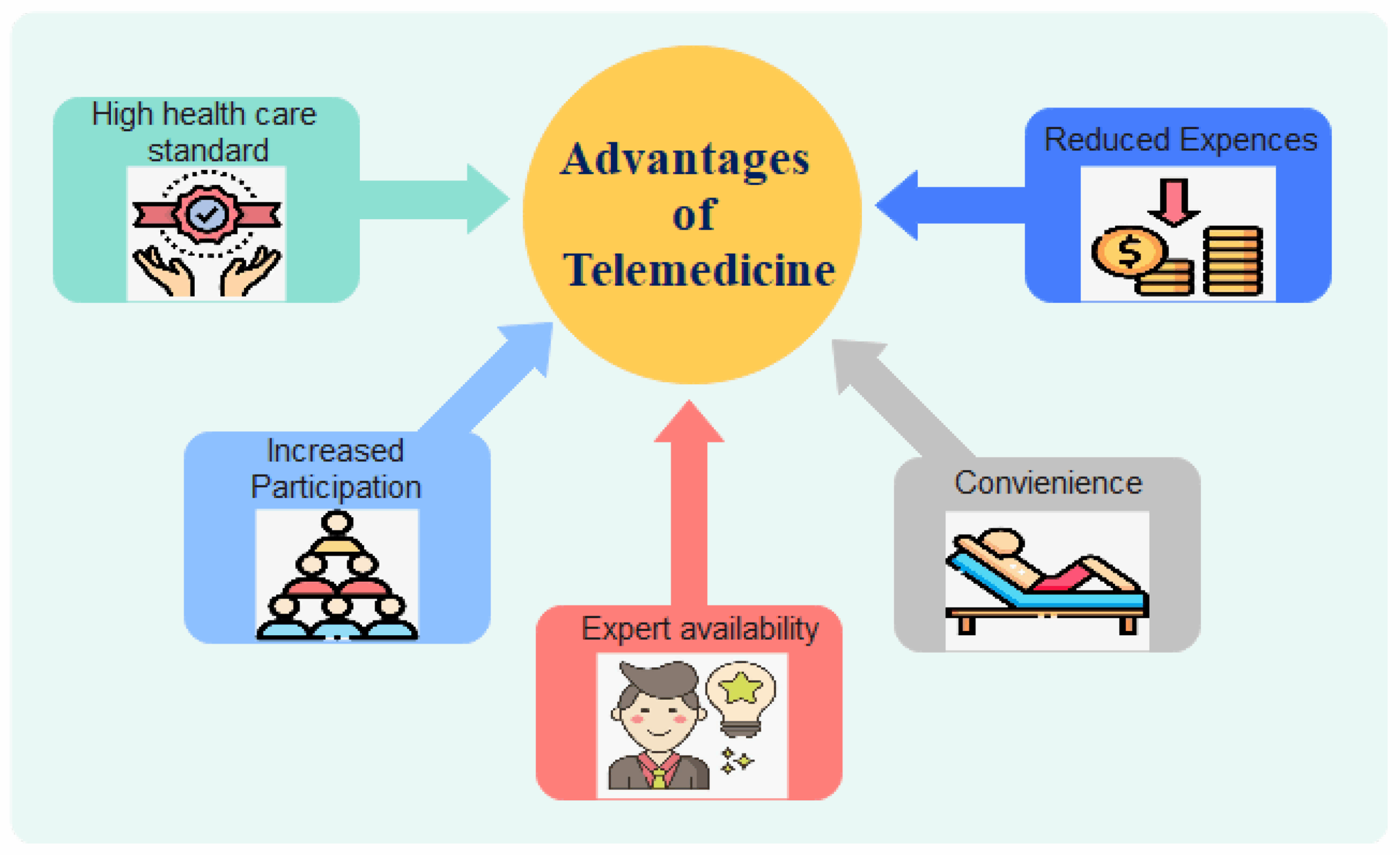
Over the past decade, Europe has witnessed a remarkable shift toward integrating digital technology into its healthcare systems. Telemedicine, once considered a supplementary service, has rapidly evolved into a cornerstone of modern healthcare delivery. The COVID-19 pandemic accelerated this transformation, highlighting the urgent need for remote healthcare options to ensure continuous medical care while minimizing infection risks.
Today, facilitated telemedicine services are leading the charge in bridging geographical and socio-economic gaps, transforming healthcare access across the continent. This article explores how enhanced telemedicine services are improving healthcare accessibility, the innovative approaches adopted by European countries, and the challenges and future prospects of this digital revolution.
The Rise of Facilitated Telemedicine in Europe
What is Facilitated Telemedicine?
Facilitated telemedicine involves comprehensive remote healthcare solutions that combine real-time virtual consultations with integrated support systems such as remote diagnostics, electronic health records, and mobile health applications. It is designed to provide a seamless patient experience, akin to traditional in-person visits, but with the added benefits of convenience and expanded reach.
According to the European Medical Journal, facilitated telemedicine has demonstrated significant potential in enhancing healthcare access across diverse populations.
Key Drivers Behind Telemedicine Expansion in Europe
Technological Advancements
Rapid developments in high-speed internet, cloud computing, and mobile device technology have been instrumental in enabling ubiquitous telemedicine services. European countries have invested heavily in strengthening their digital infrastructure, facilitating faster and more reliable remote consultations.
Policy Reforms and Government Support
National governments and EU regulatory bodies have enacted policies to promote telemedicine adoption. These include reimbursement schemes, licensing regulations, and privacy frameworks that safeguard patient data while encouraging healthcare providers to offer remote services.
Patient-Centric Approaches
European healthcare providers are increasingly focusing on patient experiences, tailoring telemedicine solutions to meet specific needs, such as elderly care, mental health support, and chronic disease management. Ease of use, affordability, and accessibility are core principles driving these innovations.
Impacts of Telemedicine on Healthcare Accessibility in Europe
Bridging Rural-Urban Healthcare Gaps
One of the most profound impacts of facilitated telemedicine is its ability to bridge the disparity between urban and rural healthcare access. Remote communities often face shortages of specialists and healthcare facilities. Telemedicine enables these populations to consult with expert physicians without the need for travel, significantly reducing barriers to quality healthcare.
- Example: In rural areas of Scandinavia, telehealth initiatives have connected residents with specialists in major cities, offering timely diagnosis and treatment.
- Impact: Improved health outcomes and reduced hospital admissions.
Expanding Access to Specialist Services
European patients now can access a wide array of specialist services, including dermatology, cardiology, mental health, and chronic disease management, via teleconsultations. This reduces waiting times and enhances early diagnosis, which is critical for effective treatment.
Enhancing Healthcare for Vulnerable Populations
Facilitated telemedicine has been particularly impactful for vulnerable groups such as the elderly, disabled, and socio-economically disadvantaged. For these populations, mobility issues or financial constraints often limit access to healthcare facilities. Telehealth services mitigate these challenges by bringing medical expertise directly into their homes.
Moreover, mobile health applications and remote monitoring devices enable continuous health surveillance, empowering patients to manage their conditions proactively.
Case Studies of Telemedicine Success in Europe
Estonia’s Digital Healthcare Ecosystem
Estonia stands out as a pioneer in integrated digital health solutions. Its e-Health record system allows citizens and healthcare providers nationwide to access all relevant medical information securely. Telemedicine services are seamlessly integrated into this infrastructure, providing virtual consultations and remote diagnostics that serve over 1.3 million citizens.
Spain’s Telehealth in Rural Regions
Spain has launched several telemedicine projects to improve healthcare in its rural communities. These initiatives include remote cardiology assessments and virtual mental health counseling, which have markedly improved patient outcomes and satisfaction levels.
Germany’s Telemedicine for Chronic Disease Management
Germany has implemented telemonitoring programs for diseases like heart failure and diabetes. Patients equipped with remote monitoring devices transmit vital data to healthcare providers, enabling timely interventions and personalized treatment adjustments.
Challenges and Future Directions
Addressing Privacy and Data Security Concerns
As telemedicine involves the transmission of sensitive personal health information, ensuring cybersecurity remains paramount. European authorities are continually updating privacy regulations, such as GDPR, to address these challenges and build patient trust.
Ensuring Equal Access and Digital Literacy
Despite technological advances, digital literacy remains a barrier for certain populations, particularly in older age groups. Training and educational initiatives are necessary to ensure that everyone can benefit from telemedicine services.
Integrating Telemedicine Into Traditional Healthcare Systems
Successful integration requires robust collaboration between telehealth platforms and existing healthcare infrastructure. This includes developing interoperable electronic health records and establishing standardized protocols for remote care delivery.
Looking Ahead: The Future of Telemedicine in Europe
The future of telemedicine in Europe is promising. Advances in artificial intelligence, machine learning, and wearable technology are poised to further personalize and improve remote healthcare services. Continued investment, supportive policies, and patient-centric design will be key to maximizing the benefits of telemedicine, ensuring equitable and accessible healthcare for all European citizens.
In conclusion, enhanced telemedicine services are revolutionizing healthcare accessibility across Europe. By overcoming geographical barriers, expanding specialist care, and empowering patients, telemedicine is shaping a more inclusive and efficient healthcare future.
For more updated news please keep visiting Hourly Prime News.