

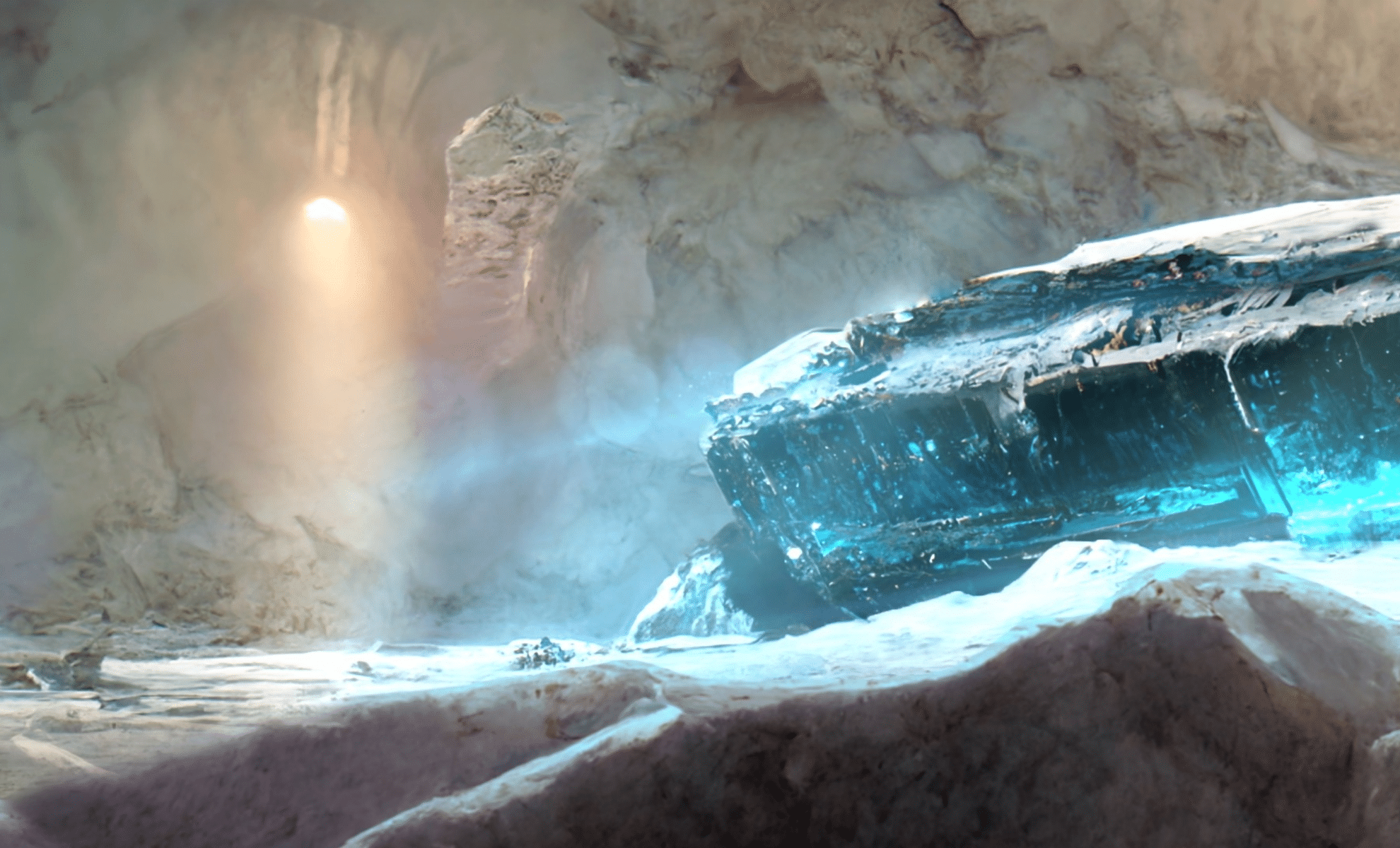
For decades, Antarctica has remained an icy mystery, a continent shrouded in ice that conceals some of the most intriguing geological formations on our planet. Recent breakthroughs in geophysical research and remote sensing technologies have begun to peel back this icy veil, revealing unexpected discoveries lurking beneath the thick ice sheets. One of the most groundbreaking revelations is the discovery of a massive granite body beneath West Antarctica, a find that is challenging long-held assumptions about the continent’s geological makeup.
The discovery of this enormous granite formation has significant implications for understanding Earth’s geological history, continental dynamics, and even the potential for ancient landmasses hidden beneath the ice. This colossal granite slab, estimated to be half the size of Wales, is not only a geological curiosity but also offers insights into the complex processes that have shaped Antarctica over millions of years.
The Significance of the Granite Body and Its Implications
Scientists have classified this geological feature as a vast granite body embedded deep beneath the West Antarctic Ice Sheet. The recent studies, highlighted in sources like the Indian Defence Review and other global outlets, this discovery is a testament to the advancements in geophysical and remote sensing technologies.
This geological body is not just a random rocky chunk; it reflects a complex history involving ancestral landmass configurations, tectonic plate movements, and past climatic conditions that once allowed for the formation and preservation of such a massive granite formation in a highly dynamic icy environment.
How Was This Massive Body Discovered?
The detection and mapping of this granite slab involved an interdisciplinary approach combining various scientific techniques:
- Seismic Reflection and Refraction Surveys: These measurements helped scientists identify the depth, size, and composition of the subglacial features.
- Remote Sensing and Satellite Data: High-resolution satellite images provided surface clues and helped delineate the underlying structures.
- Geophysical Interpretation of Glacial Erratics and Magnetism: Analyzing surface debris and magnetic signatures further confirmed the presence of a substantial rock formation beneath the ice.
By integrating these methods, researchers have been able to construct a three-dimensional picture of the underlying geology, pushing forward our understanding of Antarctica’s under-ice terrain.
What Does This Mean for Earth’s Geological History?
The existence of such a massive granite formation underneath West Antarctica is revolutionary because it suggests that the continent might harbor remnants of ancient supercontinents, such as Gondwana or even earlier landmasses. These granite bodies are typically associated with continental crust, indicating that the area could have been part of a larger landmass millions of years ago before being fragmented by tectonic forces.
This discovery could help geologists trace the tectonic evolution of the continent, providing clues about how continents have shifted and reconfigured over geological timeframes. It may also shed light on the processes that led to the formation of other continents and give insights into the conditions that might have existed on Earth during the time when these ancient rocks formed.
The Impact on Climate and Ice Dynamics
Understanding the geology beneath the ice has profound implications for climate studies. The interaction between the ice sheet and the underlying bedrock influences ice flow, stability, and potential melting patterns. For example:
- Basal Temperature and Friction: The heat generated by the contact with massive rocks can affect ice movement and melting.
- Ice Sheet Stability: Variations in underlying geology influence how the ice responds to climatic changes, affecting sea level predictions.
- Potential for Geothermal Heat Sources: Large granite bodies can be significant sources of geothermal energy, potentially impacting ice melt rates and basal conditions.
These factors are central to modeling future sea level rise and understanding how Antarctica’s ice sheet may respond to ongoing climate change.
Future Research and Exploration Opportunities
This remarkable discovery opens numerous avenues for future scientific exploration:
- Detailed Geological Mapping: More precise mapping of the granite body’s extent and composition is essential to understanding its full significance.
- Drilling and Sampling: Future expeditions involving deep drilling could extract samples to analyze the mineral composition, age, and thermal history of the rocks.
- Integration with Climate Models: Combining geological data with climate simulations will refine predictions about ice sheet stability and sea level rise.
- Studying Tectonic Processes: Unraveling how such massive granite bodies accumulated and were preserved beneath an icy crust can inform models of tectonic activity in polar regions.
Broader Implications and Global Perspective
The discovery has a global significance extending beyond Antarctic geology. It highlights the importance of advanced detection techniques, international collaboration, and sustained scientific investment in understanding Earth’s hidden mysteries. Additionally, such findings underscore how much remains unknown about the planet—hidden features beneath miles of ice that could hold answers to some of humanity’s most pressing questions about Earth’s past, present, and future.
Moreover, understanding Antarctica’s submerged geology can inform exploration strategies for other icy worlds outside our planet, such as Europa and Enceladus, moons of Jupiter and Saturn, respectively. These celestial bodies are believed to harbor ice-covered oceans and hidden geological features, making Earth’s Antarctic discoveries a valuable analog for extraterrestrial studies.
Conclusion
The identification of a massive granite body beneath West Antarctica marks a milestone in polar geology and planetary science. It not only reshapes our understanding of the continent’s geological history but also influences climate science, sea level predictions, and planetary exploration. As researchers continue to probe the depths of Antarctica using cutting-edge technology, we can anticipate more startling revelations that remind us of the planet’s complexity and the secrets that still lie hidden beneath its icy surface.
With ongoing studies, international cooperation, and technological advancement, the quest to uncover Earth’s hidden features continues, promising to deepen our understanding of the dynamic planet we call home.
For more updated news please keep visiting Hourly Prime News.