

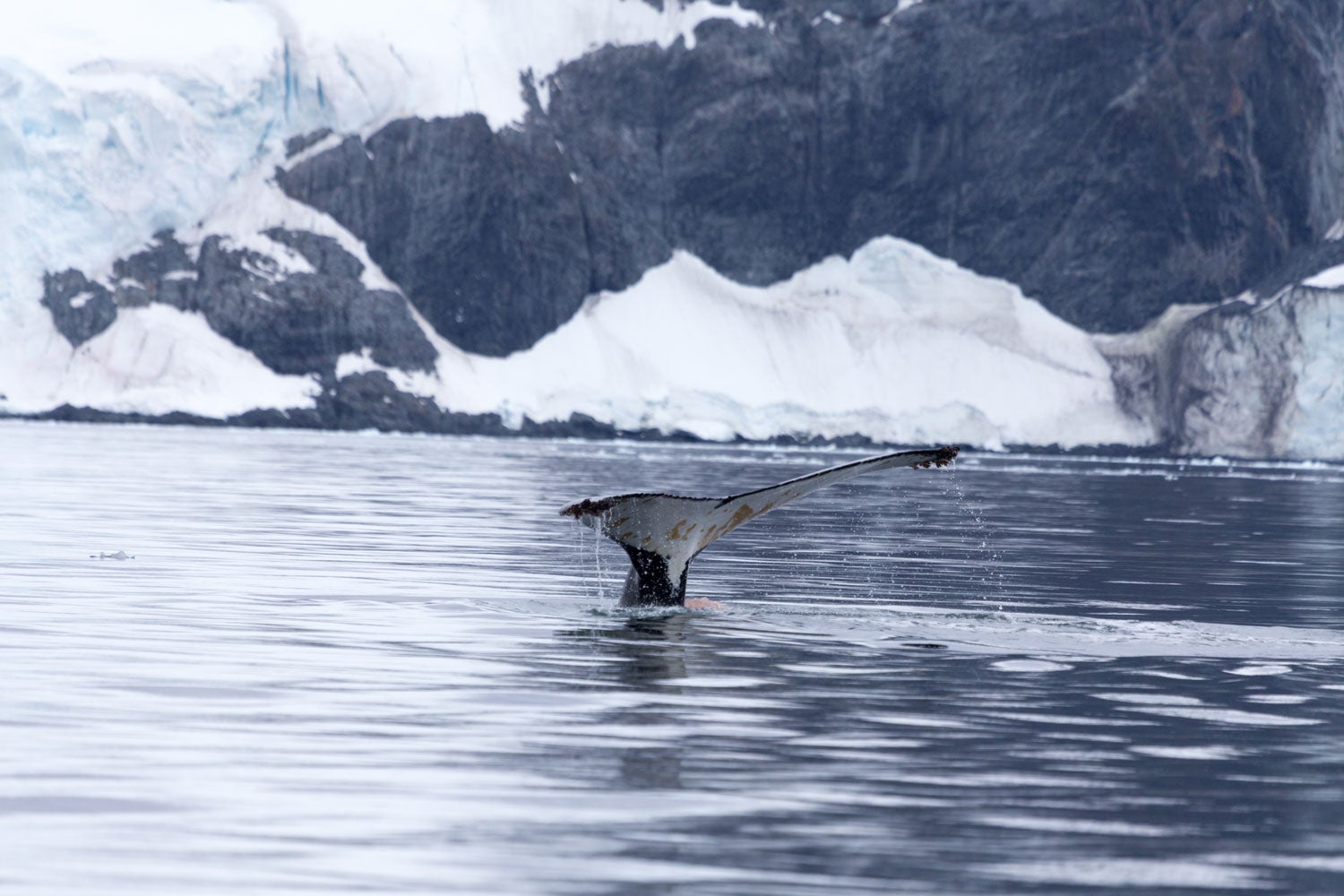
The dramatic retreat of glaciers worldwide has become one of the most visible and pressing signs of climate change. While the apparent loss of ice may seem purely a visual concern, the implications extend far beyond mere aesthetics. Glaciers are vital components of Earth’s delicate environmental balance, especially concerning ocean health and marine ecosystems. Recent studies and reports highlight a concerning trend: melting glaciers are not only reducing in size but are also losing critical nutrients that sustain marine food chains.
The Role of Glaciers in Supporting Marine Nutrients
Glaciers act as natural reservoirs, storing minerals and nutrients that are essential for marine organisms. When glaciers advance, they trap these nutrients on land; however, during melting, they release them into the surrounding waters. This process creates nutrient-rich plumes that fertilize the ocean, supporting phytoplankton growth—the foundation of the marine food web. These microscopic plants are responsible for a significant portion of global oxygen production and form the primary food source for a wide range of marine species.
Essential nutrients such as iron, silica, and nutrients like nitrogen and phosphorus are delivered via glacial outflows. This influx of nutrients stimulates phytoplankton blooms, which in turn support a diverse range of marine life including fish, invertebrates, and larger predators like whales and marine mammals. The health and stability of these food chains are fundamentally tied to the nutrient flux from glaciers.
Recent Findings Highlight Nutrient Loss in Melting Glaciers
Recent research has shown that as glaciers retreat, they are losing their capacity to supply vital nutrients to ocean systems. A significant study published in “Melting glaciers are losing vital nutrients; could affect marine food systems” published in India Today confirms this alarming trend.
The decline in nutrient flow results in less fuel for phytoplankton blooms. This reduction directly impacts the foundation of marine food webs, causing ripple effects upwards through all levels of the marine ecosystem. As a consequence, fish populations—crucial for both biodiversity and local economies—may decline, affecting millions who depend on fishing for their livelihood. The health of the ocean’s nutrient dynamics is, therefore, intricately linked to glacier health.
The Geochemistry of Glacial Sediment Plumes and Ocean Fertility
Further studies also explore the unique geochemistry of sediment plumes generated by glaciers. A comprehensive report in “Tidewater cycle drives alpine glacial sediment plume geochemistry” in Nature, reveals how these plumes influence nutrient distribution in ocean waters. The composition of these sediments is critical in determining the amount and type of nutrients released, further influencing phytoplankton productivity and marine biodiversity.
Projected Impact of Reduced Nutrient Supply
Recent modeling and observational data indicate that as glaciers continue to retreat rapidly, the naturally occurring supply of nutrients to oceans could decrease substantially. A study reported by “Retreating glaciers may send fewer nutrients to the ocean, study finds” in Phys.org explicitly warns about the potential decline in ocean productivity due to diminished glacial input.
With less nutrients, phytoplankton productivity diminishes, which can lead to a cascade of adverse effects, including decreased fish stocks, altered predator-prey relationships, and overall decline in marine biodiversity. This situation is particularly troubling for regions heavily dependent on fishing and marine resources for their economies and food security.
Global Consequences and the Need for Urgent Action
The combined evidence from scientific studies underscores a crucial point: the far-reaching implications of glacier retreat extend into the core of Earth’s ecological systems. The nutrient flux from glaciers is a fundamental component supporting the productivity and diversity of marine ecosystems globally. As glaciers continue to melt at unprecedented rates, the potential disruption to nutrient pathways could threaten entire marine food chains.
Addressing this crisis requires immediate action on multiple fronts: reducing greenhouse gas emissions, protecting glaciers, and fostering sustainable marine management practices. Public awareness and international cooperation are critical in mitigating the impacts of climate change that are driving glacier retreat and altering nutrient cycles.
The Path Forward: Protecting Our Glacial and Marine Ecosystems
Protecting glaciers is not only about preserving icy landscapes but also about safeguarding the complex web of life that depends on them. Efforts to curtail climate change through policy, innovation, and community action are vital. Additionally, investing in scientific research to monitor glacier health and understanding nutrient dynamics will inform better conservation strategies.
Finally, raising awareness among policymakers and the public about the interconnectedness of glaciers, ocean health, and food security is essential. Recognizing glaciers’ vital role in nourishing our oceans underscores the urgency of taking concerted action now to prevent a future where marine food chains are fundamentally broken.
Conclusion
The decline of glaciers and the associated loss of vital nutrients represent a stark warning of the broader consequences of climate change. Protecting these icy giants can help maintain the balance of ocean ecosystems and ensure the sustainability of marine food sources for generations to come. It is a challenge that calls for immediate and sustained global efforts, as the health of our planet’s most valuable ecosystems depends on it.
For more updated news please keep visiting Hourly Prime News.