

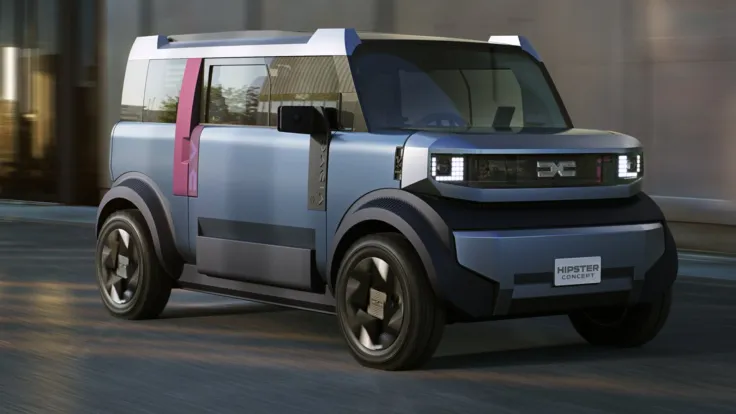
The automotive industry is no stranger to rapid innovation and shifting consumer preferences. However, recent developments spotlight a more profound issue — the palpable disconnect between manufacturers and the evolving expectations of consumers. Among these developments, the emergence of the Dacia Hipster stands out as a unique and provocative statement that has ignited widespread debate within industry circles. This phenomenon symbolizes a broader challenge faced by car manufacturers: bridging the gap between traditional automotive values and modern lifestyle demands.
The Dacia Hipster: An Unconventional Revolution
What is the Dacia Hipster?
The Dacia Hipster isn’t just a new model; it’s an attitude — a movement that encapsulates the desire for authenticity, individuality, and a departure from conventional automotive design. It appears as a response to an industry that often seems disconnected from the youthful, urban, and digitally-savvy consumers who prioritize experience over mere transportation.
According to Autoevolution, the Dacia Hipster symbolizes a significant “disconnection statement” within the automotive sphere, challenging the status quo of traditional automotive manufacturing and marketing.
The Industry’s Growing Disconnection
Understanding the Disparity
The core of the debate lies in the industry’s failure to keep pace with cultural shifts. Traditional automakers often focus on technical specifications, safety features, and performance metrics, neglecting the cultural and lifestyle nuances that now define consumer preferences. This gap creates a dissonance that, if unaddressed, threatens to render traditional models obsolete.
As outlined by industry analysts, the Dacia Hipster is a stark reminder that consumers today seek authentic experiences, personalized products, and brands that resonate with their identities. This discrepancy stems from:
• Rapid technological advancements
• Increasing environmental consciousness
• The rise of urban lifestyles and shared mobility
• Shifts towards minimalist and retro-inspired aesthetics
Implications for Automotive Manufacturers
Challenges
- Re-evaluating Brand Identity: Traditional brands must now craft identities that appeal to diverse demographics, especially younger consumers seeking authenticity and individuality.
- Innovating Product Offerings: Developing models that align with eco-conscious, tech-savvy lifestyles while maintaining affordability.
- Bridging Cultural Gaps: Understanding the values and aspirations of modern consumers, moving beyond feature-driven marketing campaigns.
Opportunities
- Embracing Niche Markets: Creating products that cater to urban explorers, independent thinkers, and eco-enthusiasts.
- Fostering Brand Authenticity: Leveraging stories that connect with consumers’ identities, thus fostering loyalty.
- Innovative Marketing Strategies: Utilizing social media, influencer partnerships, and experiential marketing to resonate more deeply.
The Role of Design and Branding
The Dacia Hipster underscores a vital shift in design philosophy: embracing retro, minimalist, and unconventional aesthetics that appeal to a sense of nostalgia and individuality. It challenges automakers to rethink branding strategies that often emphasize technical prowess over emotional connection.
Among the notable features of such models are bold visual elements, customized options, and sustainable materials. By understanding the visual and cultural language that the modern consumer relates to, manufacturers can bridge the disconnection that currently limits engagement.
The Future of Automotive Industry in Light of the Hipster Movement
Adapting to the New Norms
The controversy sparked by the Dacia Hipster signals a pivotal movement towards a more inclusive, diversified, and culturally aligned automotive industry. The future will likely involve:
- Increased personalization options that allow consumers to express their identities
- Integration of sustainable technologies responding to environmental demands
- Urban-focused designs that prioritize compactness, efficiency, and style
- Collaborations with lifestyle brands and influencers to foster authenticity and cultural relevance
Potential Risks and Rewards
Navigating this landscape entails risks—alienating traditional customer bases or misjudging cultural trends. However, the rewards of embracing the disconnection, as exemplified by the Dacia Hipster, include differentiating brands in a saturated market and building a loyal, emotionally connected consumer base.
Conclusion: The Industry’s Critical Juncture
The Dacia Hipster’s emergence exemplifies a pressing reality — the automotive industry’s disconnection from contemporary cultural and social dynamics. Manufacturers must recognize and adapt to these shifts to remain relevant and competitive. It’s a call to innovate not just in engineering but in brand storytelling, community engagement, and product design.
As industry leaders debate and dissect these changes, one thing is clear: embracing the diversity of consumer identities and lifestyles is no longer optional but essential. The shift toward authentically designed, culture-aware vehicles could very well define the next era of automotive evolution.
For more updated news please keep visiting Hourly Prime News.