

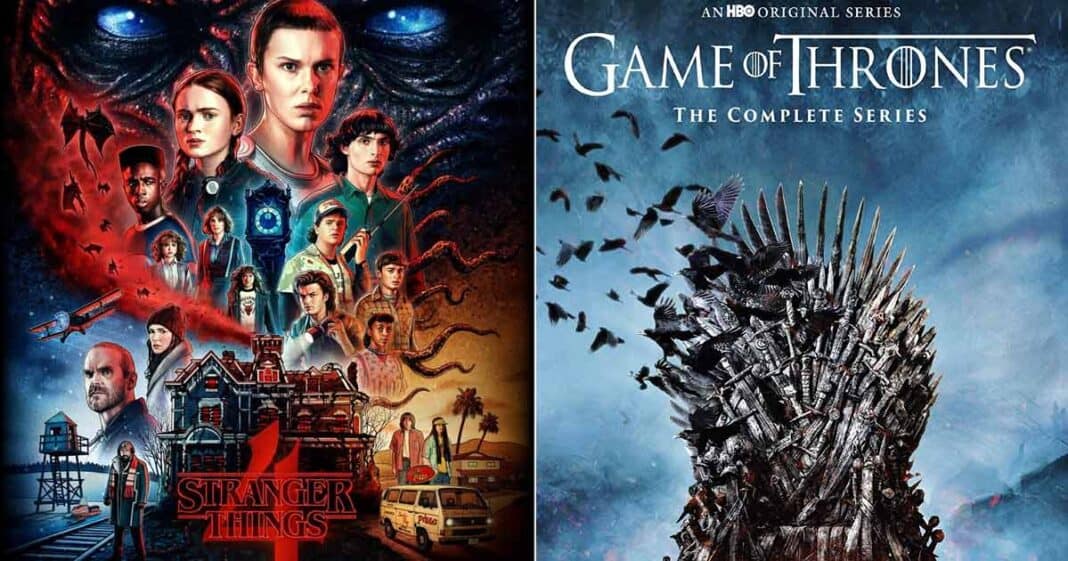
The excitement surrounding the final season of Stranger Things has been overwhelming for fans and critics alike. As one of Netflix’s flagship series, the show has garnered a massive following and set high expectations for its conclusion. However, recent insights from the show’s creators reveal a growing concern about how the final season might be received. The team behind Stranger Things reportedly fears that their concluding chapters could face a backlash akin to that experienced by Game of Thrones. This comparison is more than just a media buzzword; it reflects real apprehensions about how fan expectations, storytelling choices, and narrative execution could impact the show’s legacy.
The Fear of a ‘Game of Thrones’ Backlash
Understanding the Context
To comprehend the gravity of this concern, it’s crucial to revisit what happened with Game of Thrones. The final season of this widely celebrated series became a cultural phenomenon, but not necessarily for the reasons the creators hoped. The last episodes drew significant criticism from fans who felt the story’s resolution was rushed, inconsistent, and undermined character development. The backlash was so intense that it overshadowed years of storytelling excellence, leading to widespread disappointment and debates about narrative integrity.
Similarly, the Stranger Things team is acutely aware that a misstep in their final season could tarnish the show’s reputation and leave fans dissatisfied. The stakes are high because the ending of a beloved series can significantly influence how audiences remember the entire saga. While the creators are committed to delivering a satisfying conclusion, they also recognize the thin line between a well-loved finale and a fan-driven backlash.
Challenges in Crafting the Perfect Final Season
Balancing Fan Expectations and Creative Vision
The challenge for the Stranger Things writers and producers is balancing fan expectations with their own creative vision. After successful seasons that combined nostalgic throwbacks with compelling storytelling, the final chapter must tie up loose ends, develop satisfying character arcs, and provide meaningful closure.
However, there is an inherent risk in trying to please everyone. Fans often develop strong emotional attachments to characters and storylines, which can lead to high demands for a ‘perfect’ ending. If the series deviates from fan theories or preferred storylines, it could result in criticism. Conversely, if it sticks too closely to fan expectations but neglects originality or artistic integrity, it might seem predictable or unoriginal.
Key Concerns Highlighted by the Creators
The creators have expressed concerns over several specific issues:
- Story Resolution: Ensuring that the major plot points are resolved satisfactorily without feeling rushed.
- Character Development: Giving characters the appropriate closure while maintaining consistency with their arcs.
- Balancing Nostalgia and Innovation: Honoring the show’s roots while introducing fresh twists to keep it engaging.
- Avoiding Overexplanation: Providing enough context without bogging down the narrative with excessive exposition.
These challenges mirror the difficulties faced by other high-profile finales, especially Game of Thrones, where the absence of carefully crafted storytelling led to a divisive reception.
Lessons From ‘Game of Thrones’
What Went Wrong?
One of the most cited reasons for the backlash against Game of Thrones was the decision to rush the final season. With fewer episodes and a compressed storyline, many fans felt the characters’ journeys were truncated, and plot developments lacked depth. The series’ earlier seasons were praised for complex characters and intricate storytelling, but the last episodes seemed to sacrifice quality for speed.
This experience underlines an essential lesson for the Stranger Things team: **A hurried or poorly executed ending can undo years of goodwill.** It’s better to extend the production timeline or even consider additional episodes to deliver a story that feels complete and true to the series’ essence.
Ensuring a Respectful and Memorable Conclusion
To avoid a similar fate, the Stranger Things team intends to prioritize:
- Thorough Planning: Mapping out the narrative arc in detail before filming the final episodes.
- Open Dialogue with Fans: Engaging with the audience to understand core desires and expectations, without compromising storytelling integrity.
- Quality Over Speed: Avoiding the temptation to rush the finale just to meet deadlines or release schedules.
- Expert Input: Collaborating with script doctors and storytelling experts to refine the narrative.
By implementing these strategies, they hope to craft a finale that resonates positively and withstands scrutiny.
Speculation and Fan Reactions
Despite all precautions, fans are bound to have differing opinions. Some may embrace the conclusion, appreciating the series’ thematic depth and emotional resonance. Others may criticize it if it doesn’t align with their expectations or if they perceive plot holes.
The key is transparency and understanding. The creators emphasize that the ultimate goal is to provide a fitting end that respects the show’s journey and characters. Recognizing that no finale can satisfy every viewer is an important part of managing expectations.
The Future of ‘Stranger Things’ and Its Legacy
The success or failure of the final season could influence Stranger Things’ legacy for years to come. A well-executed conclusion will reinforce its status as a flagship series and may even elevate its cultural significance. Conversely, a disappointing ending might overshadow its accomplishments and leave a bittersweet taste in fans’ mouths.
Ultimately, the Stranger Things team is aware of these stakes. Their careful approach demonstrates a commitment to delivering a finale that honors the series and its audience. In the wake of the Game of Thrones backlash, perhaps the most important lesson is that **storytelling integrity and audience respect are paramount** when crafting the final chapter of any beloved series.
Conclusion
The fears expressed by the Stranger Things creators are rooted in a genuine desire to avoid history repeating itself. The series has built a strong fanbase through its innovative storytelling, memorable characters, and nostalgic appeal. The challenge now is to close this chapter in a way that satisfies and genuinely rewards the viewers’ investment.
While the risks are evident, so are the opportunities. A thoughtfully crafted finale can cement Stranger Things’s place in popular culture and ensure that its conclusion becomes as iconic as its beginnings. Fans, critics, and the creators themselves all await the final episodes with anticipation and hope for a memorable ending—free from the shadows of past failures.
Remember, a series’ legacy is defined not just by its story, but by the way it concludes. Let’s hope that Stranger Things’ final season rises to the occasion and delivers a finale worthy of its reputation.
For more updated news please keep visiting Hourly Prime News.