

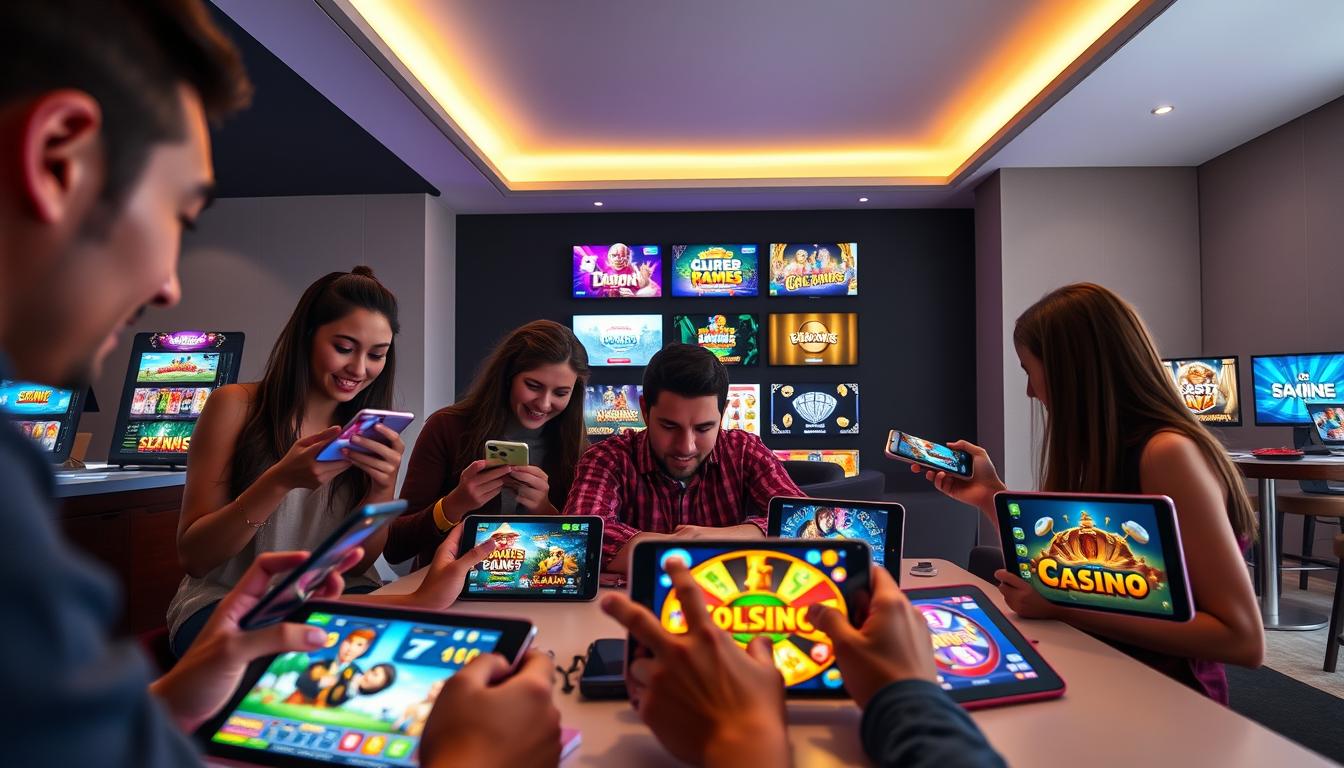
In recent years, the landscape of digital entertainment in the United States has undergone a remarkable transformation, largely driven by the rise of social casinos. These platforms have not only redefined how gamers engage with casino-style games but also reshaped the broader entertainment ecosystem. As technology continues to evolve and consumer preferences shift toward more interactive and accessible forms of entertainment, social casinos are emerging as pioneers in this new era.
The Evolution of Digital Casinos: From Traditional Gambling to Social Gaming
The concept of casino gaming has a long-standing history, rooted in physical establishments that required significant investment and infrastructure. However, with the advent of the internet, the gaming industry saw its first wave of digital adaptation. Online gambling sites emerged, offering real-money betting experiences that attracted a global audience. Yet, regulatory challenges and concerns about gambling addiction prompted a different approach—one that would focus on entertainment rather than real-money wagering.
This is where social casinos entered the scene. Unlike their online gambling counterparts, social casinos operate primarily on a “freemium” model—offering free-to-play games with optional in-game purchases. These platforms emulate the look and feel of real casinos but do not involve real money betting, making them more accessible and appealing to a wider audience, including younger players and casual gamers.
The Rise of Social Casinos in the US Market
The US market has witnessed explosive growth in social casino usage, driven by several key factors:
- Accessibility and Convenience: Social casinos can be played anytime and anywhere on smartphones, tablets, or computers, removing geographical and infrastructural barriers.
- Engaging Gameplay and Social Features: Integration of social elements such as leaderboards, chat functions, and multiplayer options foster a sense of community and competition among players.
- Cost-Effective Entertainment: With no real-money wagers, players can enjoy casino games without risking their finances, making social casinos a safe and cost-effective entertainment source.
- Innovative Technologies: Advancements in graphic design, augmented reality, and AI are enriching the user experience, making gameplay more immersive and realistic.
Impact on Consumer Behavior and Entertainment Trends
Social casinos have significantly influenced how Americans perceive and engage with digital entertainment. Here are some notable impacts:
The Shift Toward Freemium Models
Traditional entertainment industries often relied on outright purchases or subscriptions. Social casinos, however, popularized a freemium approach, allowing casual players to enjoy the games for free while offering in-app purchases for virtual coins, special items, or bonuses. This model has proven highly lucrative, with many platforms generating substantial revenue from microtransactions.
Enhanced Social Interaction
The integration of social features encourages players to connect with friends and other users, creating a community-driven experience. Games often include social sharing options, virtual gifts, and cooperative tournaments, fostering engagement and prolonging user retention.
Innovation in Gaming Technologies
Emerging technologies like augmented reality (AR) and artificial intelligence (AI) are being integrated into social casino platforms, transforming the gaming experience:
- AR for Immersive Experiences: Augmented reality features allow players to visualize casino environments in real world settings, increasing immersion.
- AI for Personalization: AI algorithms tailor game recommendations and adapt difficulty levels to individual player styles, enhancing engagement.
Economic and Regulatory Highlights
The rapid growth of social casinos has significant economic implications for the US market. Major industry players have reported billions of dollars in revenue, primarily from in-app purchases. This boom has also prompted regulatory debates surrounding responsible gaming and consumer protection.
While social casinos do not involve real-money betting, they often mimic the gambling environment, which raises concerns about potential addiction or unauthorized gambling among vulnerable populations. Regulatory bodies are working to establish guidelines and safeguards to ensure players’ well-being while fostering innovation.
Future Outlook: Trends and Opportunities
The future of social casinos in the US appears promising, with several emerging trends shaping their development:
1. Cross-Platform Integration: Seamless experiences across smartphones, PCs, and connected devices will become standard, allowing players to switch devices without losing progress.
2. Incorporation of Blockchain and Cryptocurrency: Using blockchain technology can improve transparency and security in virtual transactions, while cryptocurrencies may enable innovative monetization models.
3. Expansion into Virtual Reality (VR): As VR technology matures, social casinos could feature fully immersive virtual environments, simulating real-world casino atmospheres.
4. Focus on Responsible Gaming: Platforms will likely implement more sophisticated tools to promote responsible gaming, such as self-exclusion options and real-time monitoring.
Conclusion
Social casinos are undeniably transforming the landscape of digital entertainment in the US. By blending engaging gameplay, social connectivity, technological innovations, and accessible models, they appeal to a broad audience seeking entertainment, social interaction, and convenience. As industry players continue to innovate and adapt to changing consumer preferences, social casinos are poised to expand their influence, shaping the future of how Americans experience digital leisure activities.
In a rapidly evolving digital world, these platforms exemplify how entertainment industries can innovate responsibly while offering immersive, community-driven experiences that foster both fun and social connection.
For more updated news please keep visiting Hourly Prime News.