

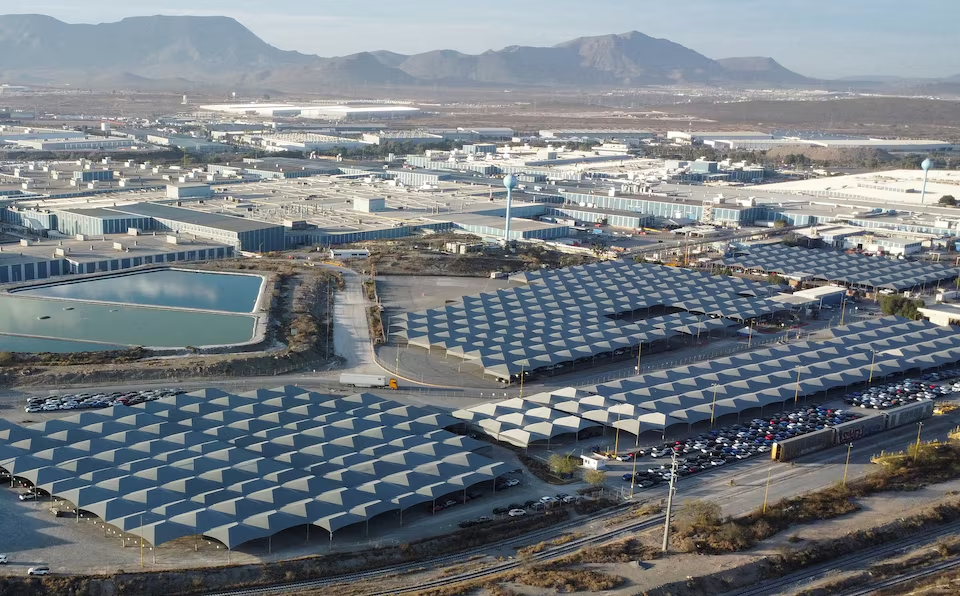
In recent years, the imposition of tariffs by the United States has become a defining factor in reshaping global economic landscapes, particularly in the auto industry and oil markets. These tariffs, primarily aimed at protecting domestic industries and addressing trade imbalances, have generated ripple effects across global supply chains, pricing strategies, and geopolitical relations. Understanding how U.S. tariffs influence these sectors is essential for industry stakeholders, policymakers, and consumers alike.
U.S. Tariffs and the Auto Industry: Changes in Supply Chains and Market Dynamics
How Will U.S. Tariffs Reshape the Global Auto Industry
The auto industry is inherently interconnected, with manufacturers relying heavily on global supply chains that stretch across continents. Tariffs introduced by the U.S., especially those targeting automotive components and imported vehicles, threaten to disrupt these intricate networks. According to insights from How Will U.S. Tariffs Reshape the Global Auto Industry. The imposition of tariffs can lead to increased costs for automakers, prompting them to reconsider their sourcing strategies and production locations.
- Supply Chain Reconfigurations: Auto manufacturers may seek to diversify or relocate their supply chains to mitigate tariff impacts, leading to shifts in global manufacturing hubs.
- Price Fluctuations: Consumers might face higher prices for vehicles and parts, affecting demand globally.
- Competitive Shifts: Non-U.S. automakers, especially those based in Europe, Asia, and Canada, may find opportunities to expand their market share within the U.S. due to reduced imports or tariffs on domestic competitors.
- Innovation and Investment: Increased costs can slow down investments in electric vehicle (EV) technology and other innovations, potentially delaying progress in eco-friendly automotive solutions.
Case Examples and Industry Reactions
Major automakers have responded differently to tariff threats. For instance, some have announced plans to increase local manufacturing to avoid tariffs, while others struggle with rising costs that threaten profitability. The uncertainty created by tariffs leads to cautious investment and strategic planning, often resulting in a slowdown in product launches or technological advancements.
U.S. Tariffs and Oil Markets: A Catalyst for Price Volatility and Strategic Shifts
Crude Oil Prices Today | OilPrice.com
The global oil market remains sensitive to U.S. tariff policies, primarily because of their impact on economic growth and geopolitical stability. As tariffs influence trade flows and economic activity, they indirectly affect oil demand and prices.
Crude Oil Prices Today | OilPrice.com illustrates ongoing volatility, influenced by broader geopolitical developments and market sentiment.
Factors Affecting Oil Prices in the Context of U.S. Tariffs
- Trade Disruptions: Tariffs can slow global trade, reducing economic growth forecasts and lowering oil consumption temporarily.
- Geopolitical Instability: Trade tensions often escalate geopolitically, leading to fears of supply disruptions, which can cause oil prices to spike.
- Supply and Demand Dynamics: Tariffs on energy-importing countries like China and India can influence their oil demand, thereby impacting global markets.
- Strategic Reserves and Production Decisions: Countries might adjust their oil production levels or release strategic reserves in response to market uncertainty caused by tariffs, affecting prices further.
Strategic Impacts on Oil Industry Stakeholders
Oil producers and exporters are closely watching trade policies for signals about future demand. Increased tariffs can reduce demand from major importers, pressuring prices downward, while geopolitical tensions may lead to supply concerns that push prices upward. Companies are increasingly investing in alternative energy sources and diversifying their portfolios to hedge against such volatility.
Broader Economic and Geopolitical Implications
The combined effects of tariffs on the auto and oil markets influence global economic stability. Higher automotive costs can dampen consumer spending, while volatile oil prices can lead to inflationary pressures, affecting everything from manufacturing to household budgets. Geopolitical alliances are also shifting, as countries respond to trade tensions with new economic partnerships or retaliatory measures.
Conclusion: Navigating a Complex Trade Environment
The impact of U.S. tariffs on the global auto industry and oil markets underscores the interconnectedness of modern economies. While intended to safeguard domestic interests, tariffs often lead to unintended consequences—higher costs, market uncertainties, and strategic shifts. Industry players must adapt swiftly, investing in resilient supply chains, technological innovation, and diversified energy strategies to mitigate risks associated with ongoing trade tensions.
Final Thoughts
As these trade policies continue to evolve, stakeholders in both sectors need to stay vigilant. Monitoring policy announcements, understanding geopolitical developments, and adjusting strategic plans are crucial for thriving in this uncertain environment.
For more updated news please keep visiting Hourly Prime News.