

Introduction: Market’s Reaction to Global Political Signals
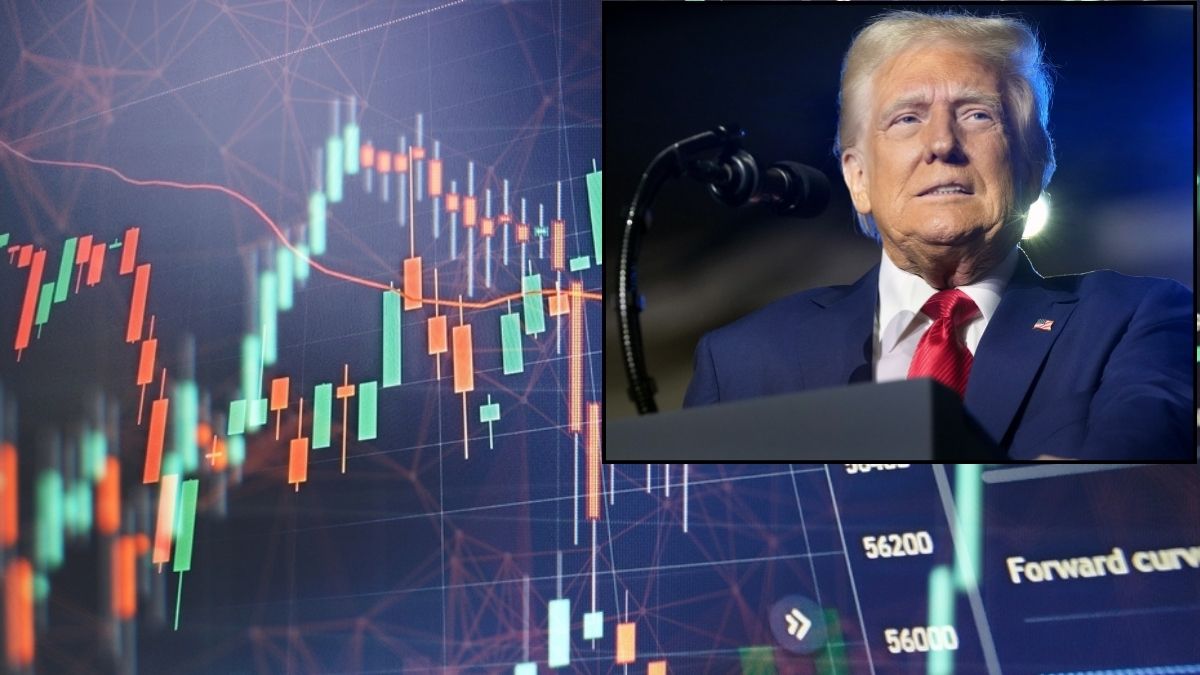
The Indian stock markets, particularly the benchmark indices Sensex and Nifty, experienced a significant decline following geopolitical developments and statements from key global leaders. The recent signals from U.S. President Donald Trump regarding potential delays in implementing tariffs have cast a shadow over investor sentiment both domestically and internationally. As markets open with a bearish tone, traders and investors are trying to decipher the implications of these signals on the overall economic outlook.
The Context of Tariffs and Trade Tensions
Tariffs and trade policies have long been a source of volatility in global financial markets. The U.S.-China trade war was a prime example of how tariff announcements and delays can cause sharp market swings. Recently, the focus shifted to the United States and its trade relations with other nations, including India. The imposition or delay of tariffs influences sectors like manufacturing, technology, agriculture, and consumer goods.
Specifically, the recent statement from President Trump indicating a possible delay in tariff implementation has caused concern among investors. This uncertainty leads to increased risk aversion, prompting foreign and domestic investors to move towards safer assets, thereby pushing stock indices downward.
Market Opening Trends: How Did Sensex and Nifty React?
According to recent reports, the stock markets in India opened sharply lower in response to the news. Read more about the market opening details here.
The Sensex plunged by over 1,000 points within the first few hours of trading, while the Nifty saw a decline of around 3%. Such a sudden sell-off reflects immediate apprehensions among investors about the outlook of trade relations and its potential impact on India’s export and manufacturing sectors. Market analysts suggest this trend exemplifies the high sensitivity of the Indian markets to global political cues.
Key Factors Driving the Market Decline
1. Uncertainty Over Tariff Policies
- Market sentiment aligns negatively with the ambiguity surrounding the delay in tariffs, causing widespread risk-off behavior.
- Investors fear that continued trade tensions could slow down global economic growth, impacting multinational corporations operating in India.
2. Global Market Trends
- Dow Jones Industrial Average and other global indices also experienced declines, reinforcing the interconnectedness of markets worldwide.
- Asia-Pacific markets mirrored this trend with mixed, yet mostly lower, performances.
3. Domestic Economic Sentiments
- Concerns about domestic growth metrics, inflation rates, and fiscal policies further contributed to bearish sentiments.
- The Reserve Bank of India’s recent cautious stance on interest rates might have compounded worries among investors.
Expert Opinions on the Situation
Market experts emphasize that the current situation is a classic example of how geopolitical developments can overshadow fundamental economic data. They advise caution, suggesting that investors should diversify portfolios and focus on long-term growth instead of reacting to short-term volatility. Some analysts also see this dip as an opportunity to buy quality stocks at depressed prices, anticipating recovery once clarity on trade policies emerges.
Implications for Indian Investors and Traders
The immediate impact is clear: high volatility and increased risk premiums. Investors are advised to keep a close eye on policy announcements and global cues. For those with exposure to export-heavy sectors, considering hedging strategies could mitigate potential losses. Moreover, this situation underscores the importance of maintaining a balanced portfolio that can withstand geopolitical shocks.
Future Outlook: Will the Market Recover?
The market’s recovery depends largely on the trajectory of U.S.-China trade negotiations, the actual implementation of tariffs, and broader macroeconomic indicators. If President Trump’s signals of a delay materialize into concrete policy actions, markets might see a rebound. However, persistent global uncertainties can prolong the volatility.
Investors should adopt a cautious stance, remain informed through credible news sources, and consider fundamentals over transient news flow.
Conclusion: Navigating Uncertain Waters
The recent decline in Sensex and Nifty highlights the volatile nature of global capital markets, heavily influenced by political and diplomatic signals. While the current dip presents risks, it also offers opportunities for strategic investors willing to look beyond immediate news. Staying vigilant and adaptable is essential in these uncertain times.
Ultimately, the impact of tariffs and trade policies is complex and multifaceted. Market participants must interpret signals carefully, assessing both short-term turbulence and long-term prospects.
For more updated news please keep visiting Hourly Prime News.