

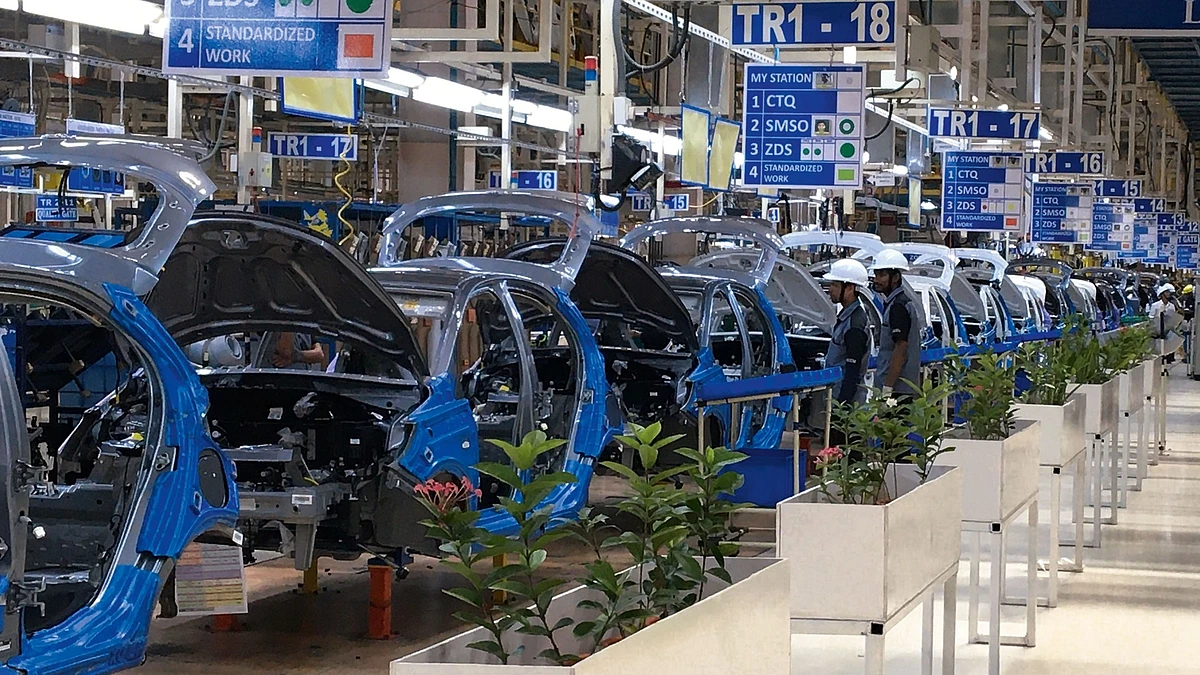
The global automotive industry has recently experienced a noteworthy recovery, and a significant driving force behind this resurgence is the increasing presence and popularity of fully-assembled imported vehicles. As markets navigate uncertainties brought about by economic fluctuations and supply chain disruptions, fully-assembled imports have stepped in to stabilize and invigorate the auto sector. This trend, observed across multiple regions, highlights a shift in consumer preferences, import policies, and industry strategies that collectively contribute to a robust recovery in the automotive landscape.
Understanding the Role of Fully-Assembled Imported Vehicles in Market Recovery
The Significance of Fully-Assembled Imports
Fully-assembled imported vehicles are automobiles imported in complete, ready-to-drive condition, bypassing local assembly processes. This approach offers several advantages:
- Immediate availability: Vehicles arrive ready for sale, eliminating delays related to local assembly or manufacturing.
- Enhanced quality assurance: Imported cars often maintain consistent quality standards that certain local manufacturers may struggle to match.
- Consumer confidence: The perception of international quality and brand prestige boosts buyer confidence and stimulates demand.
In the context of the current recovery, these benefits translate into increased consumer spending and market activity, especially as buyers seek reliable and high-quality vehicles without lengthy lead times.
Market Dynamics Supporting Fully-Assembled Imports
Several factors have contributed to the rising prominence of fully-assembled imported vehicles in the auto market’s recovery:
- Relaxed Import Policies: Governments in many countries have introduced policies that facilitate the importation of fully-assembled vehicles, reducing tariffs and bureaucratic hurdles.
- Global supply chain stabilization: As supply chain disruptions wane, the ability to import vehicles in a complete state has improved significantly.
- Shifts in consumer preferences: Modern consumers increasingly favor brand variety, technological features, and quality, which fully-assembled imports readily provide.
- Economic incentives: Competitive pricing and attractive financing options for imported vehicles make them more accessible to a broader customer base.
Collectively, these factors serve as catalysts for market expansion and help to restore consumer confidence in automobile investments.
Case Study: The Vietnamese Market and the Rise of Fully-Assembled Imports
Insights from Báo VietNamNet
According to reports from “Auto market recovery driven by fully-assembled imported vehicles – Báo VietNamNet
This report underscores how Vietnam’s auto sector is experiencing renewed growth largely due to the influx of fully-assembled imported vehicles. The Vietnamese government’s policies aimed at easing import restrictions have encouraged international car brands to increase their presence, offering a wider array of fully assembled models to consumers.
The immediate impact includes
- Higher sales volumes of imported cars
- Expanded market competition which benefits consumers
- Increased revenues for importers and dealerships
Moreover, the variety and technological sophistication of imported vehicles appeal particularly to younger and middle-income demographics seeking modern features and reliable performance.
The Broader Impact of Fully-Assembled Imports on Global and Regional Markets
Economic Benefits and Challenges
While the positive effects are evident, the increased reliance on fully-assembled imported vehicles also raises certain economic considerations:
- Trade balance: Heavy importation may widen trade deficits in some countries, prompting policymakers to balance supply chain efficiencies with economic prudence.
- Local manufacturing: A surge in imports could potentially pose competition to local assembly plants, influencing employment and industrial growth.
- Technological transfer: The import of advanced models can stimulate local industry innovation through increased exposure to new technologies.
Strategic Outlook for Stakeholders
Manufacturers, importers, policymakers, and consumers need to collaborate to maximize the benefits of this trend:
- Manufacturers: Continue to innovate and adapt to regional market preferences while leveraging import channels to expand reach.
- Importers and Dealers: Enhance accessibility through flexible financing, after-sales services, and marketing efforts.
- Policymakers: Establish balanced import policies that support industry growth without compromising local manufacturing.
- Consumers: Take advantage of diverse options, technological advancements, and competitive pricing.
Future Trends and Opportunities in the Auto Market
Emerging Technologies and Market Shifts
The influx of fully-assembled imported vehicles is just one facet of a broader transformation driven by technological innovation. As electric vehicles (EVs), hybrid models, and smart car technologies become more prevalent, the market is poised for further evolution.
Opportunities include:
- Growth in EV imports: Countries may see an increase in fully-assembled electric vehicles, aligning with global sustainability goals.
- Integration of smart features: Advanced driver-assistance systems (ADAS) and connectivity features enhance the user experience, boosting demand for imported models with cutting-edge tech.
- Customized and premium imports: The luxury segment continues to favor fully-assembled imported vehicles with bespoke features tailored to affluent buyers.
Challenges Ahead
Despite positive trends, challenges such as rising tariffs, geopolitical tensions, and evolving environmental regulations could influence the market dynamics. Stakeholders must remain adaptable to navigate potential disruptions and capitalize on emerging opportunities.
Conclusion
The recovery of the auto market in recent times has been markedly supported by the increased importation of fully-assembled vehicles. Offering immediate availability, consistent quality, and a broader array of choices, these vehicles have reinvigorated consumer interest and industry confidence. As countries continue to refine their trade and industry policies, and as technological innovations unfold, the role of fully-assembled imported vehicles is set to expand further, shaping the future trajectory of the automotive sector worldwide.
In summary, the rise of fully-assembled imports signifies a pivotal shift in how markets recover and grow post-pandemic and amid global economic uncertainties. Embracing this trend, while addressing associated challenges, will be crucial for stakeholders aiming to thrive in the evolving automotive landscape.
For more updated news please keep visiting Hourly Prime News.