

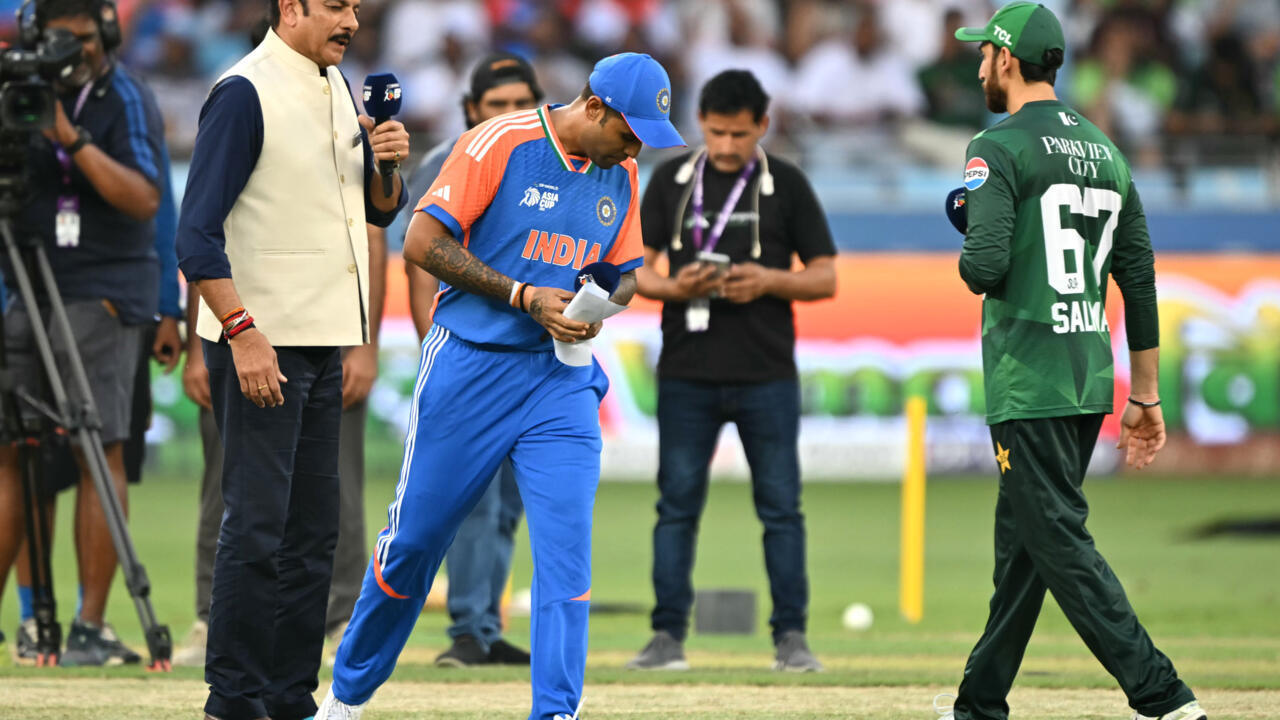
The anticipation for the upcoming encounter between India and Pakistan in the realm of hockey has been intensified by the recent warnings issued by the Pakistan Hockey Federation (PHF). The tension is not merely about the game itself but also about sportsmanship and diplomatic nuances that often accompany such high-stakes matches. This article explores the background of these warnings, the importance of diplomatic conduct in sports, and the broader implications for India-Pakistan relations on the international sporting stage.
Context of Recent Tensions in Indo-Pak Hockey Encounters
Historically, matches between India and Pakistan in hockey have been more than just sporting events; they symbolize decades of rivalry, political tensions, and cultural pride. While the game fosters a sense of national unity and enthusiasm among supporters, it also occasionally becomes a stage for diplomatic protests and warnings. Recently, the Pakistan Hockey Federation raised concerns about the conduct of Indian players, specifically regarding handshake gestures, which they suggest could have diplomatic implications.
The recent warning issued by Pakistan was rooted in the anticipation that Indian players might not adhere to expected sportsmanship etiquette, particularly the handshake protocol that is customary in international sports. The PHF’s message was clear: if Indian players do not engage in proper handshake conduct, Pakistan would consider it a breach of diplomatic decorum. Such warnings, although seemingly minor, underscore the sensitive nature of Indo-Pak sporting interactions and how they can influence bilateral relations beyond the game.
Diplomacy and Sportsmanship: Why Handshake Conduct Matters
The Significance of Handshakes in International Sports
The handshake is a universally recognized gesture of sportsmanship and mutual respect. In international competitions, it symbolizes the acknowledgment of the opponent’s effort and the spirit of fair play. For countries with complex diplomatic relations—like India and Pakistan—such gestures take on an even more symbolic meaning. A handshake can serve as a momentary bridge of goodwill, a visual signal of respect despite political differences.
When either side breaches this gesture, it risks sending a message of disregard or hostility. In the context of Indo-Pak relations, this small act can escalate tensions, leading to diplomatic fallout or public controversies. Therefore, sports authorities emphasize adherence to these protocols to maintain the game’s integrity and uphold diplomatic decorum.
The Pakistan Hockey Federation’s Warning
The PHF’s warning is a calculated move aimed at safeguarding national pride and ensuring that the upcoming match proceeds smoothly. They have advised their young players to avoid any confrontations or tussles, urging them to focus solely on their game. This precautionary stance is rooted in the desire to prevent inflammatory incidents that could spoil the sporting event and influence diplomatic relations negatively.
Furthermore, the PHF has emphasized that maintaining composure and sportsmanship is crucial, not just for the individual player’s reputation but for the broader image of Pakistani hockey. They’ve taken a proactive approach, signaling their expectations for fair conduct regardless of the competitive pressure.
Broader Political Implications of Sportsmanship Warnings
While at first glance, warnings about handshake conduct may seem trivial, they are emblematic of the ongoing political sensitivities between India and Pakistan. For decades, athletes, diplomatic officials, and commentators have viewed sporting encounters as opportunities to promote peace and understanding. However, the reality is often nuanced, with tensions simmering beneath the surface.
In recent years, incidents involving perceived disrespect or breaches of protocol during matches have led to stronger diplomatic protests and nationalistic rhetoric. The Pakistan Hockey Federation’s warning reflects this ongoing struggle to balance competitive spirit with diplomatic prudence. It also demonstrates how sports can serve as both a battleground and a bridge for international relations.
Insights from Other Sources and the General Climate
Multiple reports, including those from credible news outlets like The Times of India), suggest a cautious approach by sports authorities given the fragile political climate. The emphasis remains on promoting respect, civility, and professionalism among players, even amidst intense rivalry.
Similarly, insights from News18 and Tribune India, highlight the ongoing efforts by sports governing bodies to promote decorum and prevent any escalation of tensions during competitive encounters. The overarching aim is maintaining the sanctity of sport while respecting the historical and political sensitivities involved.
Sports as a Diplomatic Tool
Sporting events often serve as a soft diplomatic channel, allowing nations to communicate presence and good intentions subtly. In the context of India and Pakistan, these games are more than just about winning medals—they are moments that can foster reconciliation or, conversely, ignite controversy. The warnings issued by Pakistan are a reminder that sports diplomacy is a delicate balancing act.
By emphasizing strict adherence to sportsmanship protocols, Pakistani authorities aim to ensure their players remain focused on the game and respectful of their rivals. This strategic move aims to mitigate potential flashpoints and preserve the integrity of the sport, ensuring that the game remains a platform for healthy competition and mutual respect.
Implications for Future Indo-Pak Encounters
The warning ahead of the upcoming hockey match exemplifies the broader challenge that both nations face in ensuring that sports serve as bridges rather than barriers. If players and officials maintain decorum, it sets a precedent for future interactions, fostering a climate of respect even amidst rivalry.
On the other hand, any breach of protocol could lead to a negative spiral—political statements, media backlash, and heightened tensions. Thus, these warnings are not just about conduct on the field; they embody the importance of diplomacy, mutual respect, and the desire to keep sports free from political discord.
Conclusion
In conclusion, Pakistan Hockey’s warning before the India match underscores the critical importance of sportsmanship, diplomacy, and respect in international sports. As the game approaches, both teams and fans must remember that beyond the scoreboard, what matters most is fostering an environment of mutual respect and understanding. Sports, when played with dignity, can indeed be a powerful force for peace and reconciliation, even between nations with complex histories.
For more updated news please keep visiting Hourly Prime News.