

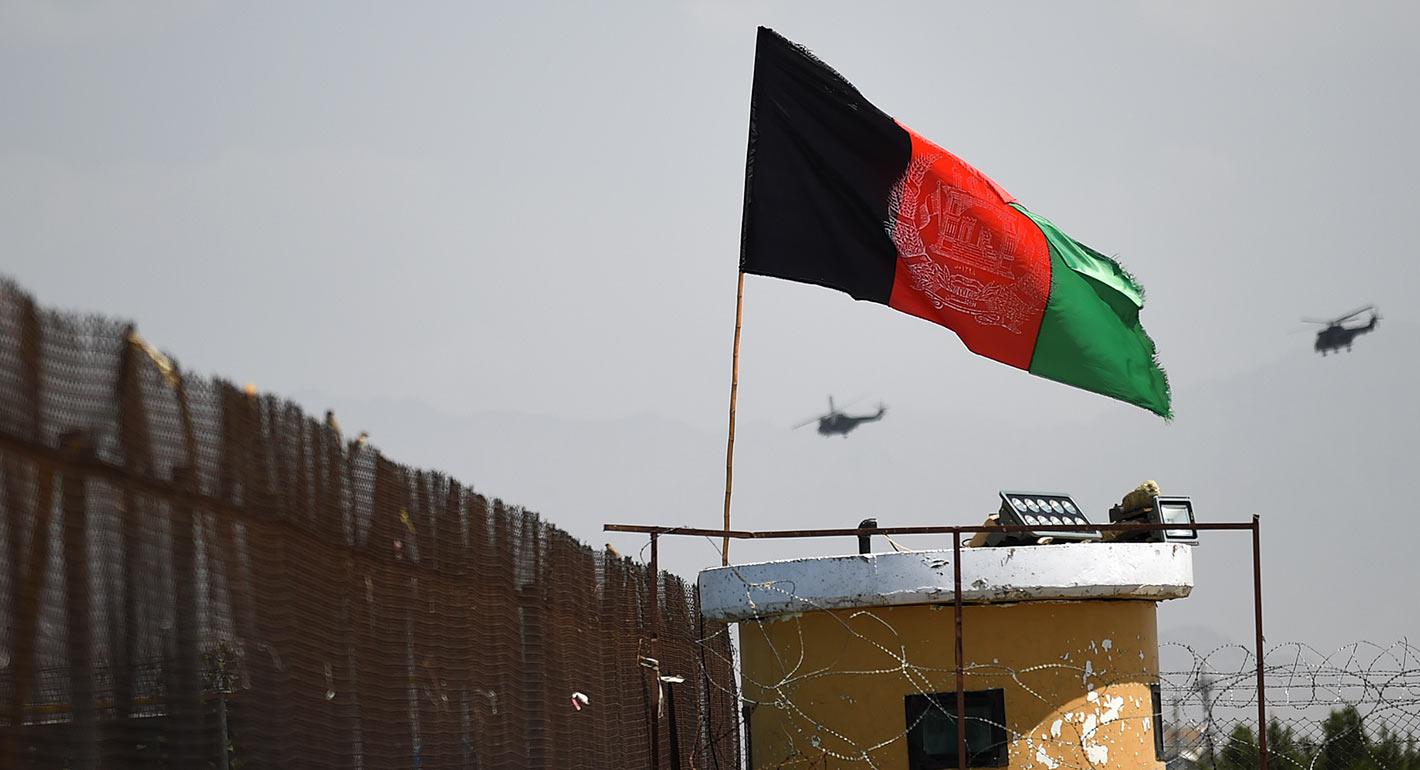
The recent string of explosions in Kabul has once again highlighted the fragile security situation in Afghanistan’s capital. These explosive incidents have not only increased fears among the local population but have also stirred diplomatic debates on regional stability. The Taliban, who have recently taken control of Kabul, have found themselves in a complex web of accusations and regional rivalries. Amid their efforts to reshape Afghanistan’s diplomatic relations, especially with neighboring India, these attacks have added new layers of complication to their foreign policy initiatives.
Blame Game: Taliban Accuses Pakistan
One of the most significant developments following the explosions was the Taliban’s immediate blame on Pakistan. According to reports from Al Jazeera, the Taliban leadership described the incidents as a ‘provocative act’ orchestrated by Islamabad. This accusation is not new, but it gains renewed emphasis at a time when Taliban is seeking to establish an independent regional stance.
The Taliban claimed that these attacks are a part of a larger conspiracy by Pakistan to destabilize the fragile political landscape in Afghanistan. Their assertion suggests that elements within Pakistan are attempting to sabotage the Taliban’s authority and influence within Kabul. This stance also signals a shift from previous narratives where external interference was often denied or minimized.
The accusations from the Taliban have had ripple effects in diplomatic circles. Pakistan, which traditionally shares a complex relationship with Afghanistan, responded cautiously. The Pakistani government issued warnings of possible action against militants, asserting their intent to combat extremism. Both sides are now embroiled in a delicate diplomatic dance, with trust being a significant issue.
Regional Ramifications and the India Connection
Amid these accusations, India’s outreach to Afghanistan has become a focal point of regional geopolitics. India has shown increased interest in supporting counter-terrorism efforts and stabilizing Afghanistan’s government, especially considering the Taliban’s rise and the threat of extremist elements spreading across borders. Diplomatic signals from New Delhi indicate that India is keen on rallying regional support to counterbalance Pakistan’s influence in Afghanistan.
In this context, the Taliban’s harsh criticism of Pakistan could be interpreted as a strategic move to garner international sympathy and shift regional alliances. By blaming Pakistan, the Taliban aims to project an image of independence and resistance against external interference, particularly from a traditional adversary like Pakistan. This accusation also carries a subtle message prepared to appeal to India’s interests, signaling their desire for regional recognition and support without external meddling.
However, India remains cautious. The terrorist attacks and the Taliban’s accusations are seen as part of a broader regional chess game, with each player trying to assert dominance and influence. India continues to encourage intra-Afghan dialogue, humanitarian aid, and development projects, hoping to foster stability and prevent Afghanistan from becoming a breeding ground for extremism.
The Dynamics of Taliban-Pakistan Relations
Historical Context
Relations between Pakistan and the Taliban have historically been complex. Pakistan has been accused of providing sanctuary and support to Taliban factions, which in turn has helped Pakistan maintain strategic influence in Afghanistan. The Taliban, for their part, have sometimes expressed appreciation for Pakistani backing but have also shown signs of independence.
Current Scenario
The recent explosions and the Taliban’s accusations mark a potential turning point in this relationship. The Taliban’s rejection of external support and blaming Pakistan could signal internal shifts in their diplomatic approach. Meanwhile, Pakistan’s warnings about militant actions within its borders suggest ongoing efforts to curb cross-border terrorism, though the effectiveness of those efforts remains contentious.
This evolving dynamic indicates that Pakistan might face increased scrutiny from the Taliban and the international community. Strained relations could hinder broader regional cooperation, complicate diplomatic efforts for peace, and influence Afghanistan’s future stability.
Implications for Regional Security
The accusations of sabotage and militant activity have serious implications for regional security. With Afghanistan now under Taliban control, neighboring countries are wary of spillover violence, especially from extremist groups seeking to destabilize the region. The blame game intensifies fears of renewed insurgency, cross-border terrorism, and political destabilization.
Furthermore, the international community remains divided on how to approach Afghanistan’s new political landscape. While some countries seek to engage diplomatically with the Taliban, others remain cautious, emphasizing the need for security guarantees and counter-terrorism cooperation.
As Afghanistan becomes a focal point in regional rivalries, especially between India and Pakistan, the international community needs a strategic approach that balances diplomatic engagement with security concerns. The recent explosions and the Taliban’s reactions serve as stark reminders of the ongoing volatility and the necessity for effective regional cooperation.
Conclusion: Navigating a Complex Geopolitical Web
The current situation in Kabul exemplifies the complexity of regional geopolitics in South Asia. The Taliban’s blame on Pakistan, combined with their outreach to India, highlights the fine line they walk in asserting independence while managing regional pressures. With accusations flying and tensions rising, it is vital for all stakeholders to pursue diplomatic dialogue and build trust to ensure long-term stability in Afghanistan and the broader region.
While the immediate focus remains on security and counter-terrorism measures, the overarching goal should be fostering an environment where multiple regional actors can cooperate towards peace and development. The recent events in Kabul underline how fragile these efforts are but also the critical importance of sustained diplomatic engagement.
For more updated news please keep visiting Hourly Prime News.