

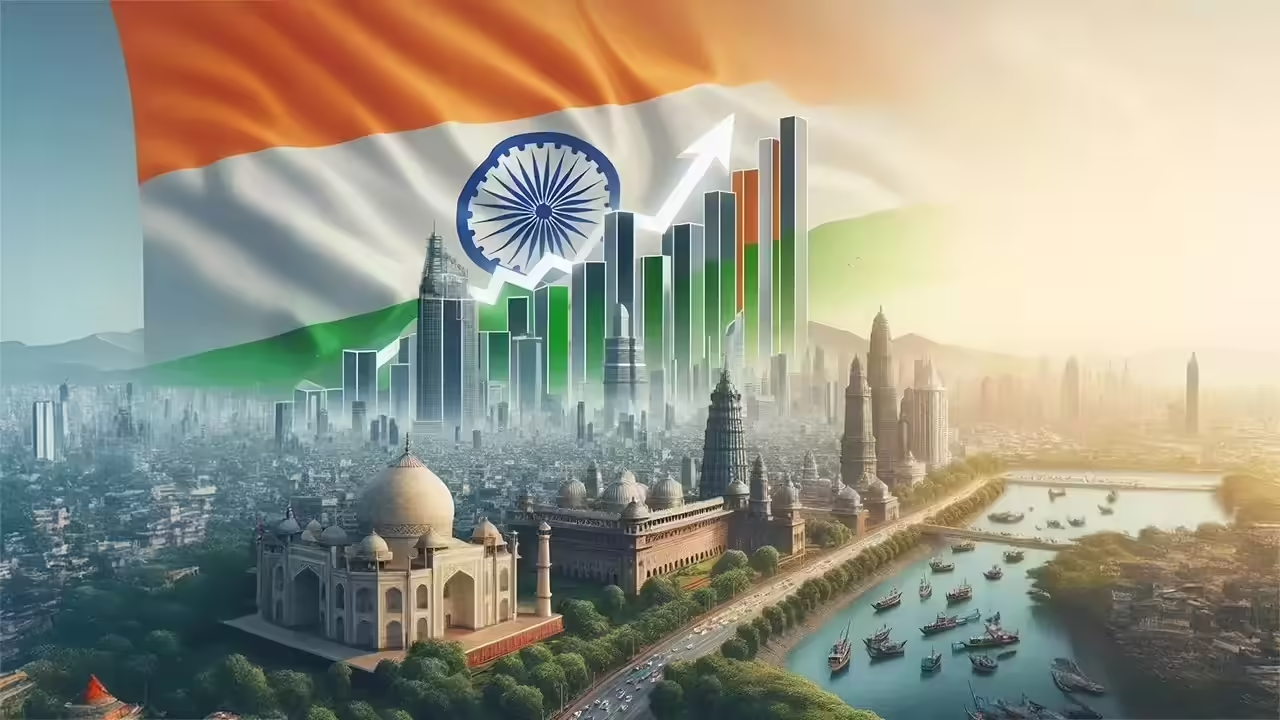
India is on the cusp of a remarkable economic transformation. Recent reports and expert analyses suggest that the country’s Gross Value Added (GVA) — a key indicator of economic productivity — is poised for extraordinary growth over the next decade and beyond. According to a recent study by PwC, India’s GVA could soar to a staggering $9.82 trillion by 2035, marking an impressive leap from the current figure of approximately $3.39 trillion in 2023. This projection signals not only robust economic expansion but also highlights India’s potential to emerge as a dominant global economic powerhouse.
Understanding the Significance of GVA Growth
Before delving deeper into the future prospects, it’s essential to understand what GVA entails. Gross Value Added measures the value of goods and services produced in an economy, minus the costs of inputs and raw materials. It is a vital metric that reflects the true economic productivity of a country and helps gauge its growth trajectory. A rising GVA indicates increased efficiency, higher output, and enhanced capacity for employment generation and investment.
India’s current GVA level at around $3.39 trillion places it among the emerging major economies. The forecast of reaching nearly $9.82 trillion by 2035 implies a compound annual growth rate (CAGR) of approximately 8-9%, which is extraordinary given the global economic landscape. Such growth is expected to propel India into a higher per capita income bracket, improve living standards, and foster substantial socio-economic development.
Drivers of India’s Future Economic Growth
1. Demographic Advantage
India’s youthful population is one of its greatest assets. With over 50% of its population under 25, the country has an enormous labor force ready to contribute to economic productivity. This demographic dividend can translate into a significant competitive advantage, especially if the nation invests in quality education, skill development, and health infrastructure.
2. Urbanization and Infrastructure Development
Rapid urbanization is transforming India’s landscape. Improvements in urban infrastructure, transportation, logistics, and smart city initiatives are creating conducive environments for businesses to thrive. Enhanced infrastructure not only attracts foreign direct investment (FDI) but also stimulates domestic entrepreneurship and innovation.
3. Digital Transformation
The proliferation of digital technologies continues to revolutionize sectors like retail, finance, healthcare, and manufacturing. The adoption of digital payments, e-commerce, cloud computing, and artificial intelligence has expedited growth and increased efficiency across industries. The government’s push towards a Digital India further accelerates this transformation.
4. Manufacturing and Export Expansion
The ‘Make in India’ initiative and the emphasis on boosting manufacturing capabilities are central to reaching higher GVA levels. Strengthening the manufacturing sector can also diversify exports, reduce dependency on imports, and promote job creation, thereby fueling overall economic growth.
Sectoral Outlook and Key Opportunities
India’s economy is becoming increasingly diversified. Several major sectors are anticipated to drive the GVA uplift:
- Information Technology (IT) & Business Process Management (BPM): With a vast talent pool, India is already a global hub for IT services. Continued innovation, outsourcing, and digital services will contribute significantly to GVA growth.
- Financial Services: As financial penetration widens, fintech, banking, and insurance sectors are poised for expansion, fostering financial inclusion and economic stability.
- Manufacturing & Infrastructure: Infrastructure investments, capital expenditure, and policy reforms aim to boost core manufacturing and industrial output.
- Agriculture & Rural Development: Modernization and technology adoption will increase productivity and income levels among India’s large rural population.
- Renewable Energy & Sustainability: The focus on clean energy and sustainability practices opens new avenues for growth and India’s climate commitments.
Challenges and Strategic Initiatives
While optimistic about future growth, India must navigate several challenges:
- Structural Reforms: Continued reform in land, labor, and taxation policies is vital to remove bottlenecks and improve ease of doing business.
- Income Inequality & Social Inclusion: Ensuring equitable growth is crucial. Programs targeting vulnerable sections, rural upliftment, and skill development are essential.
- Environmental Sustainability: Balancing rapid development with environmental conservation will be key to long-term prosperity.
- Technological Adoption: Investing in innovation ecosystems, R&D, and future-ready skills can foster resilient growth.
Global Impact and India’s Position in the World Economy
With an expected GVA of nearly $9.82 trillion, India’s share of global GDP is projected to increase significantly. This shift will influence international trade, geopolitics, and investment patterns. India’s integration into global value chains and strategic partnerships will be instrumental in realizing its growth trajectory.
Moreover, this growth will create opportunities for foreign investors and multinational companies seeking to capitalize on India’s expanding market. Sectors like technology, pharmaceuticals, consumer goods, and renewable energy will likely see sustained foreign investment and collaborative projects.
Conclusion
India’s path to a $9.82 trillion GVA by 2035 is steeped in promise and potential. The country’s demographic dividend, technological advancements, infrastructural investments, and policy reforms are collectively driving this optimistic outlook. While challenges persist, strategic focus on innovation, inclusivity, and sustainability can help India unlock this monumental economic value.
As India gears up for this growth phase, stakeholders—from policymakers and entrepreneurs to global investors—must work collaboratively to create a resilient, inclusive, and sustainable economy. This transformation will not only elevate India’s standing on the global stage but also significantly improve the livelihoods of millions of its citizens.
***
For more updated news please keep visiting Hourly Prime News.