

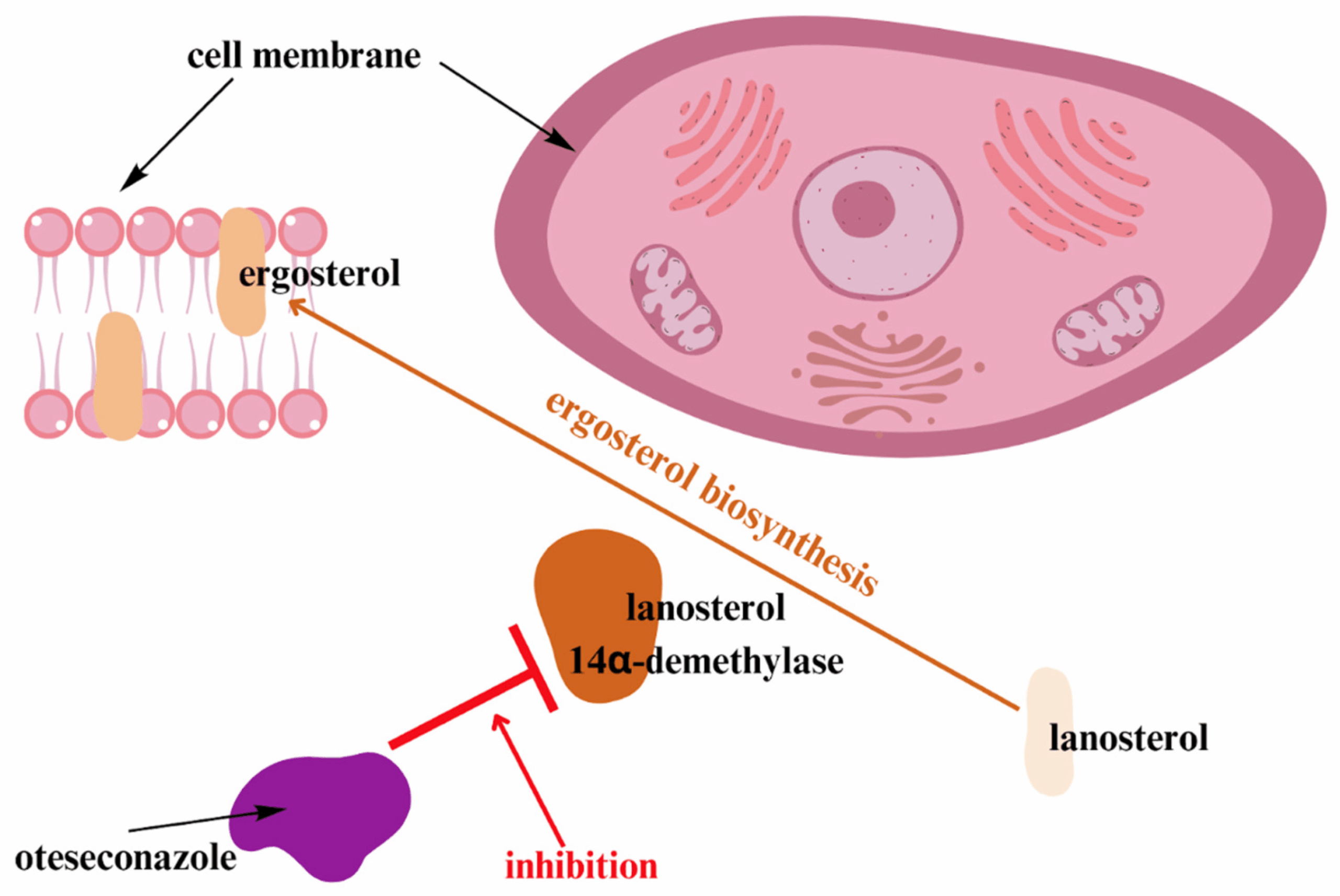
Vaginal candidiasis, commonly known as a yeast infection, is a pervasive condition affecting women worldwide, especially those in reproductive age. Traditionally, antifungal medications like fluconazole have been the mainstay of treatment, offering quick relief to millions of women experiencing discomfort and irritation. However, emerging research from the Himalayan region indicates a troubling rise in fluconazole-resistant vulvovaginal candidiasis, raising significant concerns for both clinicians and patients alike.
Understanding Vulvovaginal Candidiasis and Its Treatments
Vulvovaginal candidiasis is primarily caused by the overgrowth of Candida species, particularly Candida albicans. Symptoms typically include itching, burning sensation, abnormal discharge, and discomfort during urination or sexual intercourse. Standard treatment frequently involves antifungal agents such as fluconazole, which is favored for its oral administration and efficacy.
While fluconazole has been effective historically, the increasing cases of resistance are challenging the conventional therapeutic protocols. Resistance not only prolongs treatment durations but also increases the risk of recurrent infections, impacting women’s quality of life.
The Himalayan Study: A Wake-Up Call
Key Findings from the Recent Research
A pivotal study published in BMC Microbiology sheds light on the scope of this issue specifically among reproductive-age women in Himalayan countries. This research highlights several alarming points:
- Prevalence of Resistance: A significant portion of women diagnosed with vulvovaginal candidiasis exhibited resistance to fluconazole, indicating a shift in microbial susceptibility.
- Detection of Non-albicans Candida Species: The study reported an increase in non-albicans Candida species, which tend to be inherently less susceptible or resistant to standard antifungal therapy.
- Recurrent Infections: Women with resistant strains faced more recurrent and persistent infections, complicating clinical management.
- Regional Antibiotic Practices: The study suggests that misuse or overuse of antifungal medications, including fluconazole, may be contributing factors to this phenomenon.
Factors Contributing to Resistance in the Himalayan Context
The Himalayan region poses unique challenges that contribute to the rising resistance:
- Geographical Barriers: Remote locations with limited healthcare access often lead to incomplete or inappropriate treatment courses.
- Self-Medication and Over-the-Counter Use: Easy availability of antifungal medications without proper prescription results in irrational drug use.
- Limited Diagnostic Facilities: Inadequate laboratory support hampers early detection of resistant strains, leading to empirical therapies that may be ineffective.
- Cultural and Socioeconomic Factors: Socioeconomic constraints and cultural practices may influence health-seeking behavior and medication adherence.
Implications of Increasing Resistance
Challenges in Clinical Management
The rise in fluconazole-resistant Candida strains complicates standard treatment protocols, necessitating alternative therapeutic options such as:
- Use of Topical Antifungals with different mechanisms of action
- Combination Therapy incorporating multiple antifungal agents
- Development of Novel Antifungal Agents in research pipelines
Public Health Concerns
The burgeoning resistance threatens to undermine progress made in managing vulvovaginal candidiasis, especially in resource-limited Himalayan settings. Persistent infections are associated with increased healthcare costs, psychological stress, and potential progression to more severe reproductive issues.
Strategies to Combat Fluconazole Resistance
Enhanced Surveillance and Diagnostics
Implementing routine monitoring of antifungal susceptibility patterns is vital. Investing in laboratory infrastructure to facilitate culture and sensitivity testing enables targeted therapy, reducing reliance on empirical treatment.
Public Awareness and Education
Public health campaigns should emphasize the importance of:
- Proper medication adherence
- Avoiding self-medication
- Seeking timely medical consultation
Prudent Use of Antifungals
Healthcare providers must adhere to guidelines for antifungal prescriptions, avoiding unnecessary exposure to fluconazole and other agents that can drive resistance.
Alternative Therapeutic Approaches
Research into new drugs and combination therapies, as well as exploring non-antifungal treatment modalities, can help manage resistant cases more effectively.
Conclusion
The emergence of fluconazole-resistant vulvovaginal candidiasis among women in the Himalayan region signals an urgent need for comprehensive strategies combining clinical, public health, and research efforts. Addressing factors such as overuse of antifungals, enhancing diagnostics, and raising awareness can help curb this alarming trend and ensure effective management of vaginal candidiasis in the future.
Continued vigilance and research are essential to prevent further escalation of resistance, safeguarding women’s reproductive health across the Himalayan communities and beyond.
For more updated news please keep visiting Hourly Prime News.