

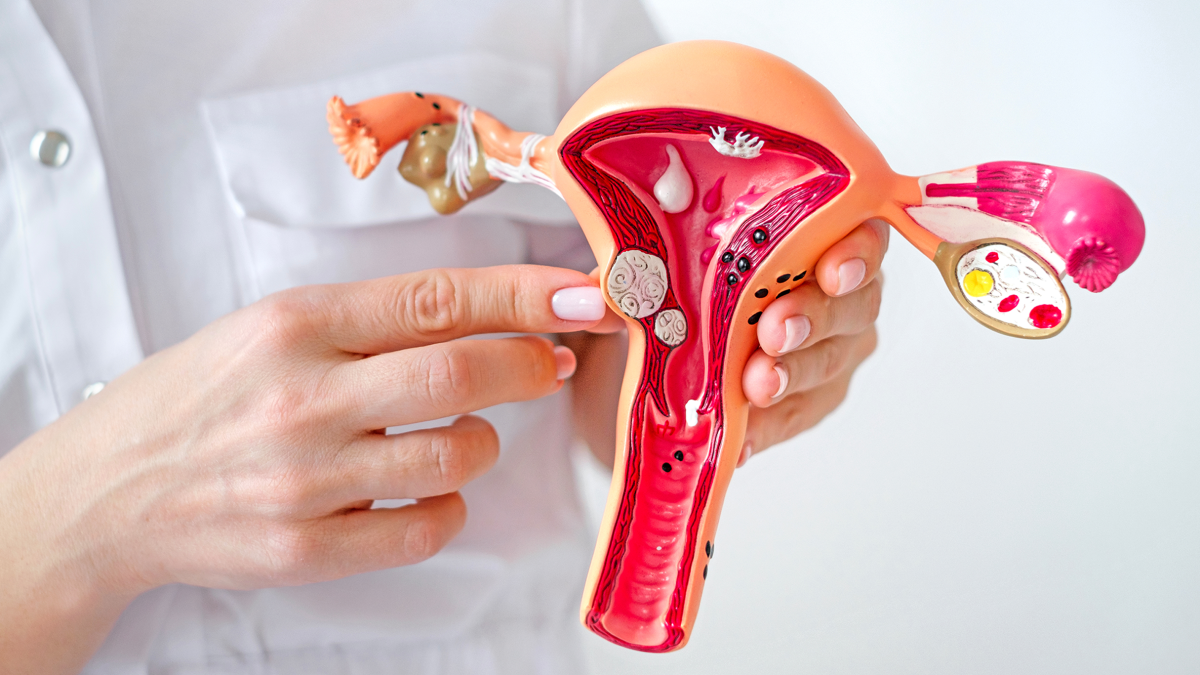
Uterine fibroids are a common health concern among women, especially in reproductive years. Despite their prevalence, misconceptions and myths about fibroids still persist, often leading to unnecessary worry or delays in seeking proper medical care. As per recent insights from gynecologists and healthcare experts, dispelling these myths is crucial for empowering women with accurate information and promoting timely diagnosis and treatment. In this blog, we will explore four prevalent myths about uterine fibroids and shed light on the facts that every woman should be aware of.
Myth 1: Uterine Fibroids Are Always Cancerous
Understanding the Truth Behind Fibroids and Cancer Risk
One of the most widespread misconceptions is that fibroids are a form of cancer or that they frequently turn malignant. However, most fibroids are benign — non-cancerous growths that develop within the uterine wall. According to recent research and expert opinions, the likelihood of fibroids being cancerous is very low. In fact, gynaecologist confirms that most fibroids are not cancerous.
While rare cases exist where fibroids are diagnosed as malignant (known as leiomyosarcoma), such instances are exceedingly uncommon, estimated at less than 1% of all fibroid cases. For women experiencing symptoms or concerned about their health, it is always best to consult a healthcare professional rather than jumping to conclusions based on myths. Timely diagnosis with ultrasounds and other imaging techniques can accurately differentiate between benign fibroids and malignant tumors, providing peace of mind and appropriate treatment options.
Myth 2: Fibroids Always Cause Severe Pain and Heavy Bleeding
The Reality of Fibroid Symptoms
Many women believe that all fibroids lead to intense pain, heavy menstrual bleeding, or other debilitating symptoms. While it’s true that some fibroids can cause discomfort and bleeding issues, not all fibroids are symptomatic. In fact, a healthcare provider explains that many women with fibroids experience little to no symptoms.
In some cases, fibroids are discovered incidentally during routine pelvic exams or ultrasounds. When symptoms do occur, their severity varies widely — from mild discomfort to significant issues impacting quality of life. The key is individualized assessment; not every woman with fibroids needs aggressive treatment. Small or asymptomatic fibroids may simply require regular monitoring, whereas larger or symptomatic ones can be managed with medication or minimally invasive procedures.
Myth 3: Uterine Fibroids Are Always Large and Obvious
Size and Location Do Not Predict Symptoms or Severity
A common misconception is that fibroids must be large and noticeable to cause problems. However, fibroids can be quite small, yet still cause significant symptoms depending on their location. For example, tiny fibroids nestled in specific areas of the uterus can press against the bladder or nerves, resulting in symptoms like frequent urination or pelvic discomfort. Conversely, large fibroids might remain asymptomatic if located in less sensitive parts.
According to guidance from FIGO’s best practice guidelines, the clinical importance of a fibroid is often more about *location* rather than size alone. This explains why some women with small fibroids seek medical attention for symptoms that seem disproportionate to the growth’s size. Therefore, size isn’t always a reliable indicator of the potential impact on health or the need for intervention.
Myth 4: Fibroids Will Always Require Surgery to Cure
Exploring Modern Treatment Options and Management Strategies
The assumption that surgery is the only solution for fibroids is another myth worth clarifying. Traditionally, hysterectomy (removal of the uterus) or myomectomy (fibroid removal) were common procedures. However, advances in gynecologic care have expanded treatment options including:
- Medication: Use of hormonal therapies, such as gonadotropin-releasing hormone (GnRH) agonists, can shrink fibroids temporarily.
- Minimally invasive procedures: Techniques such as uterine artery embolization (UAE), MRI-guided focused ultrasound (MRgFUS), and laparoscopic myomectomy offer less invasive alternatives to open surgery.
- Monitoring: For small, asymptomatic fibroids, regular check-ups may be sufficient without immediate intervention.
According to the latest treatment approaches from FIGO highlight that surgery is not always necessary, emphasizing personalized care plans tailored to each woman’s specific situation.
Why It Matters to Debunk These Myths
Understanding the reality of uterine fibroids is essential because myths often lead to exaggerated fears or inappropriate treatments. Women who confuse benign fibroids with cancer may experience unnecessary anxiety, whereas underestimating symptoms can delay essential care. Similarly, assuming all fibroids cause severe symptoms may lead some women to pursue surgery prematurely, when less invasive options might suffice.
By spreading accurate information, health professionals and community awareness campaigns can empower women to take proactive steps. Early detection, appropriate management, and reassurance that fibroids are often manageable conditions are key to improving women’s health outcomes and quality of life.
Final Thoughts
Uterine fibroids are a common, often misunderstood condition. The myths around them can distort perceptions and hinder timely medical intervention. It is crucial to differentiate fact from fiction, relying on evidence-based guidance and consultations with healthcare professionals. Whether it is understanding the benign nature of most fibroids, recognizing that symptoms vary, or knowing that modern treatments are less invasive, informed women can make confident decisions regarding their reproductive health.
Remember, if you suspect you have fibroids or are experiencing symptoms, seek medical advice rather than relying on myths. Accurate knowledge is your best tool in managing health effectively.
For more updated news please keep visiting Hourly Prime News.