

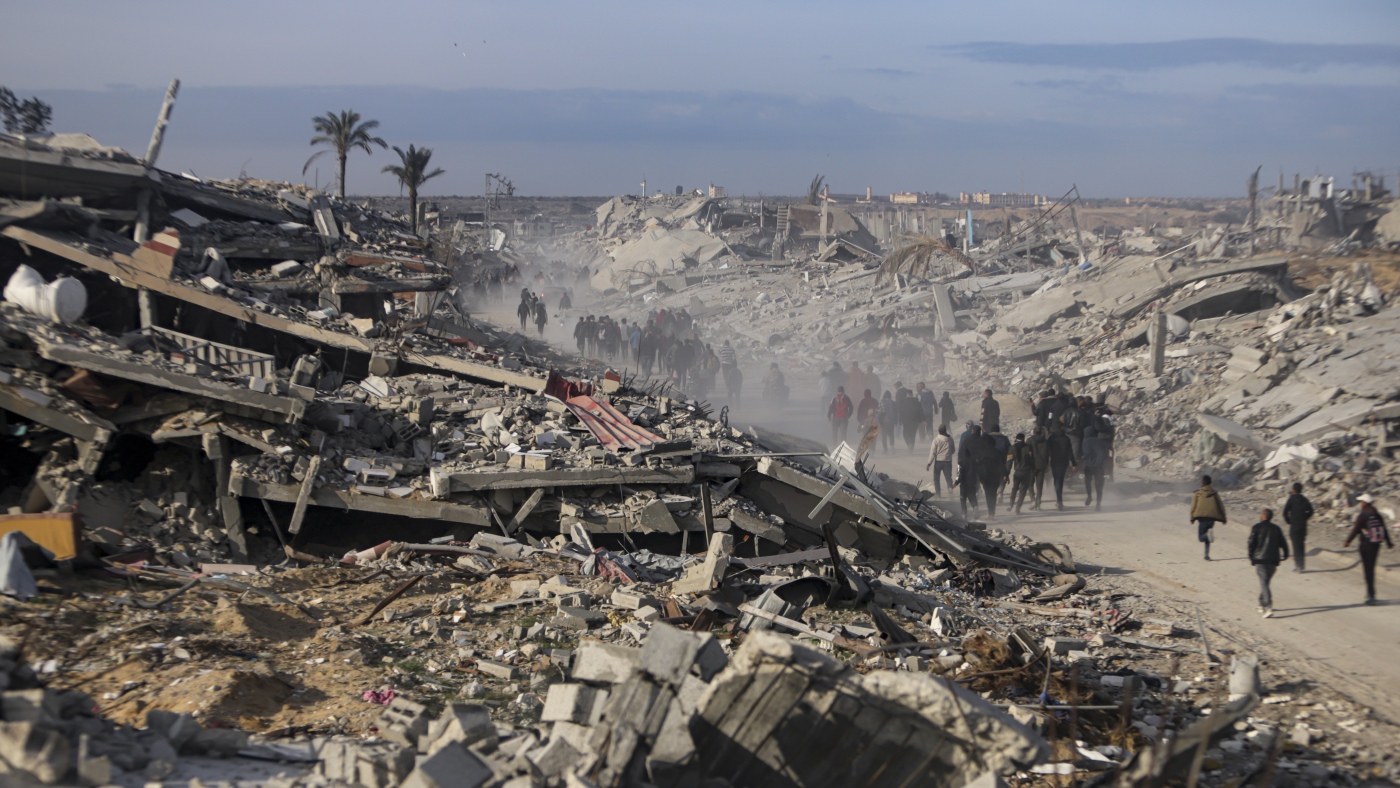
As we mark the second anniversary of the devastating October 7 attacks, the conflict between Israel and Gaza remains as complex and contentious as ever. The passage of two years has not brought clarity or peace to the region. Instead, it underscores a protracted crisis characterized by ongoing warfare, international concern, and deeply personal tragedies, notably the plight of hostages held in Gaza.
The Shadows of October 7: A Day that Reckons with Mass Trauma
October 7, 2021 marked a dark chapter in the ongoing Israeli-Palestinian conflict. According to reports from leading news outlets such as The Guardian and The Hindu, the attacks orchestrated that day resulted in the deaths of approximately 1,200 Israeli civilians, with many more injured or displaced. For Israel, the day is remembered as a moment of shock and grief, with gatherings and ceremonies held annually to honor the victims and reaffirm national resilience.
While the immediate aftermath saw a surge of military responses and a hardened stance from Israeli authorities, the subsequent two years have revealed the deep-rooted challenges that impede a lasting resolution. The conflict is no longer confined to isolated incidents but has evolved into a cycle of violence with wide-ranging implications.
Continued Warfare and Humanitarian Crisis in Gaza
The Gaza Strip, already besieged and impoverished, remains a battleground. Military operations have persisted, with both sides suffering substantial losses. As Sky News highlights, the situation remains grim. The relentless cycle of airstrikes, ground incursions, and military responses has created a dire humanitarian crisis with thousands of civilians caught in the crossfire.
Essential aid efforts are often blocked or delayed, leaving the population in an urgent need for essentials such as food, water, and medical supplies. The world’s attention has often been diverted, yet the suffering continues unabated, amplifying calls for ceasefire and renewed peace negotiations.
The Unresolved Issue of Hostages
One of the most troubling aspects of the ongoing conflict is the unresolved status of hostages. According to reports from The Hindu and NDTV, dozens of Israeli civilians and soldiers remain in captivity in Gaza. These hostages are a constant reminder of the human toll and the brutal realities of asymmetric warfare.
- Hostage Negotiations: Despite diplomatic efforts and international pressure, negotiations have yet to yield substantial progress. The situation is complicated by political, military, and humanitarian considerations.
- Impact on Families: Families of the missing are left in ongoing anguish, with many holding onto faint hopes of their loved ones’ return.
- Political and Military Strategies: Israeli officials like Prime Minister Benjamin Netanyahu have acknowledged learning the limits of military power, emphasizing that force alone cannot resolve the hostage crisis or bring sustainable peace (
Efforts have been made to negotiate hostage releases, but political complexities continue to stymie these initiatives. The international community remains divided, with some advocating for more aggressive military action, and others emphasizing diplomatic solutions and humanitarian corridors.
Global and Regional Responses
The regional and global responses to the Gaza conflict have been marked by a mix of condemnation, calls for restraint, and attempts at diplomacy. As NDTV and other outlets, international focus remains divided—some countries call for de-escalation, while others support increased military aid to affected regions.
Looking Towards the Future
The ongoing conflict underscores the urgent need for a comprehensive political solution. Military efforts alone, as acknowledged by Israeli leader Netanyahu, are insufficient to resolve the deeply rooted issues. The geopolitical landscape remains volatile, with potential for escalation or, ideally, a viable pathway to peace that addresses the aspirations and security concerns of all parties involved.
There is hope that diplomatic initiatives, coupled with sustained international pressure, can lead to meaningful negotiations. However, the deep scars left by the October 7 attacks continue to influence regional stability and international relations.
Conclusion
The two-year mark of the October 7 attacks serves as a stark reminder of the enduring human cost of conflict. It highlights the necessity for renewed efforts towards peace, justice, and reconciliation. While the path forward is fraught with challenges, international cooperation and genuine dialogue remain essential in striving for a future where such tragedies no longer occur.
As the conflict persists, the world watches with hope and concern. The unresolved hostage crisis, ongoing military engagements, and the enduring trauma for families profoundly exemplify the urgent need for a sustained and holistic approach to peace in the region.
For more updated news please keep visiting Hourly Prime News.