

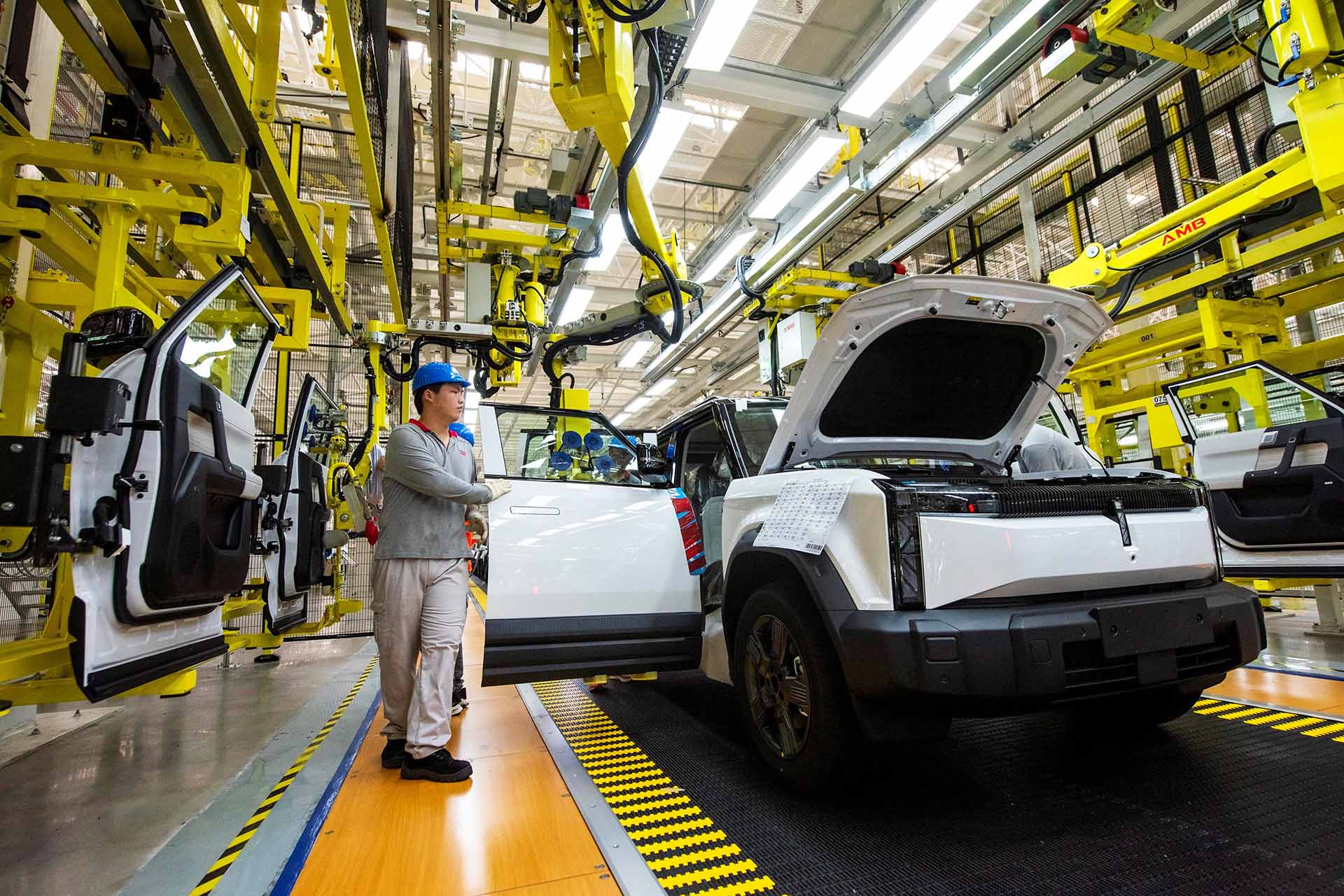
The automotive sector stands at a critical crossroads, facing unprecedented challenges that threaten its stability and growth. As the global economy grapples with disruptions—from supply chain interruptions to evolving consumer preferences—the need for immediate and effective financial interventions has become more urgent than ever. Recognizing this pressing situation, the Central Bank of Myanmar (CBM) has recently issued a strong appeal for the rapid deployment of support funds aimed specifically at rejuvenating the automotive industry.
This call underscores the importance of timely financial aid, which can be the difference between a sector’s survival and its decline. The automotive industry is not just a vital part of the manufacturing landscape but also a significant employer and contributor to the national GDP. Therefore, accelerating financial support schemes is essential in ensuring the sector’s resilience and long-term sustainability.
The Context: Challenges Faced by the Automotive Sector
Global Supply Chain Disruptions
One of the key issues affecting the automotive sector worldwide has been the disruption in supply chains. Shortages of critical components such as semiconductors and raw materials have led to production halts and delays. This has significantly impacted auto manufacturers and suppliers, leading to decreased output and revenue losses.
Economic Uncertainty and Market Volatility
The ongoing economic uncertainties, driven by fluctuating fuel prices, changing regulatory landscapes, and geopolitical tensions, have created a volatile market environment. Consumers are hesitant to make substantial investments in vehicles, especially high-cost models, further dampening sales and revenue streams for automotive companies.
Decreased Consumer Demand and Sales
Amidst the economic upheaval, consumer confidence has waned, resulting in decreased demand for new vehicles. This trend exacerbates the financial strain on automakers and dealers, creating a bleak outlook without adequate intervention and support from financial institutions and government bodies.
CBM’s Urgent Appeal: Why Faster Deployment of Support Funds Is Crucial
Accelerating Economic Recovery
The CBM emphasizes that swift deployment of financial aid can act as a catalyst for faster economic recovery. By providing immediate liquidity and support, businesses can continue operations, retain employees, and avoid layoffs. This preventative approach is crucial for maintaining employment levels and sustaining the sector’s productivity.
Preventing Business Closures and Job Losses
Without timely intervention, many small and medium-sized enterprises in the automotive supply chain are at risk of closure. These closures could result in significant job losses and ripple effects across related sectors such as logistics, retail, and engineering services. The CBM’s call for faster funds deployment aims to safeguard jobs and promote sector stability.
Enhancing Competitiveness in the Regional Market
Fast-tracking financial support also enables domestic automotive companies to remain competitive against regional players. By stabilizing operations and investing in innovation, Myanmar’s automotive industry can position itself favorably in the Southeast Asian market.
Details of the Support Funds Initiative
Types of Support Funds
- Working Capital Financing: To cover operational costs such as salaries, raw materials, and facility maintenance
- Technology Upgradation Funds: To invest in new manufacturing technologies and improve product quality
- Export Support: To boost exports through marketing assistance and trade facilitation services
- Research & Development Grants: To foster innovation and sustainability initiatives within the sector
Eligibility and Application Process
The support funds are aimed at:
- Existing automotive manufacturers and assemblers
- Component and parts suppliers
- New entrants investing in automotive manufacturing facilities
Applicants are encouraged to submit detailed proposals demonstrating transparency, sustainability, and potential for job creation. The CBM has assured that the process will be streamlined to ensure quick disbursement of funds.
Implementation Challenges and the Need for Coordinated Efforts
Administrative and Logistical Barriers
Despite the urgency, there are often logistical hurdles in disbursing funds swiftly. These include bureaucratic procedures, lack of transparent criteria, and limited digital infrastructure for application processing. Addressing these challenges is vital for effective implementation.
Collaboration Between Stakeholders
To maximize the impact of the support funds, cooperation between the government, banking sector, industry associations, and automotive businesses is essential. Such collaborative efforts can facilitate faster decision-making, proper allocation, and monitoring of funds to ensure they reach the intended beneficiaries.
The Road Ahead: Ensuring Sustainable Growth and Recovery
Focus on Innovation and Sustainability
Beyond immediate relief, the CBM’s support initiatives should also promote long-term sustainability. Investing in eco-friendly technologies, electric vehicles, and smart manufacturing practices will position Myanmar’s automotive industry for future growth.
Building Resilience for Future Crises
The current crisis highlights the need for a resilient economic framework. Establishing contingency funds, diversifying supply chains, and fostering local innovation will help safeguard the sector against future shocks.
Conclusion
The CBM’s call for accelerated deployment of support funds reflects a proactive approach to safeguard the automotive industry amidst challenging times. The urgency is clear: delays could lead to irreversible damage, including job losses and decreased competitiveness. Swift and effective financial support, combined with strategic planning and stakeholder collaboration, can pave the way for a resilient and thriving automotive sector in Myanmar.
It is imperative that policymakers, financial institutions, and industry players work in harmony to ensure that the support reaches those who need it most without delay. Only through concerted efforts can the automotive sector rebound stronger and continue to contribute significantly to Myanmar’s economic development.
For more updated news please keep visiting Hourly Prime News.