

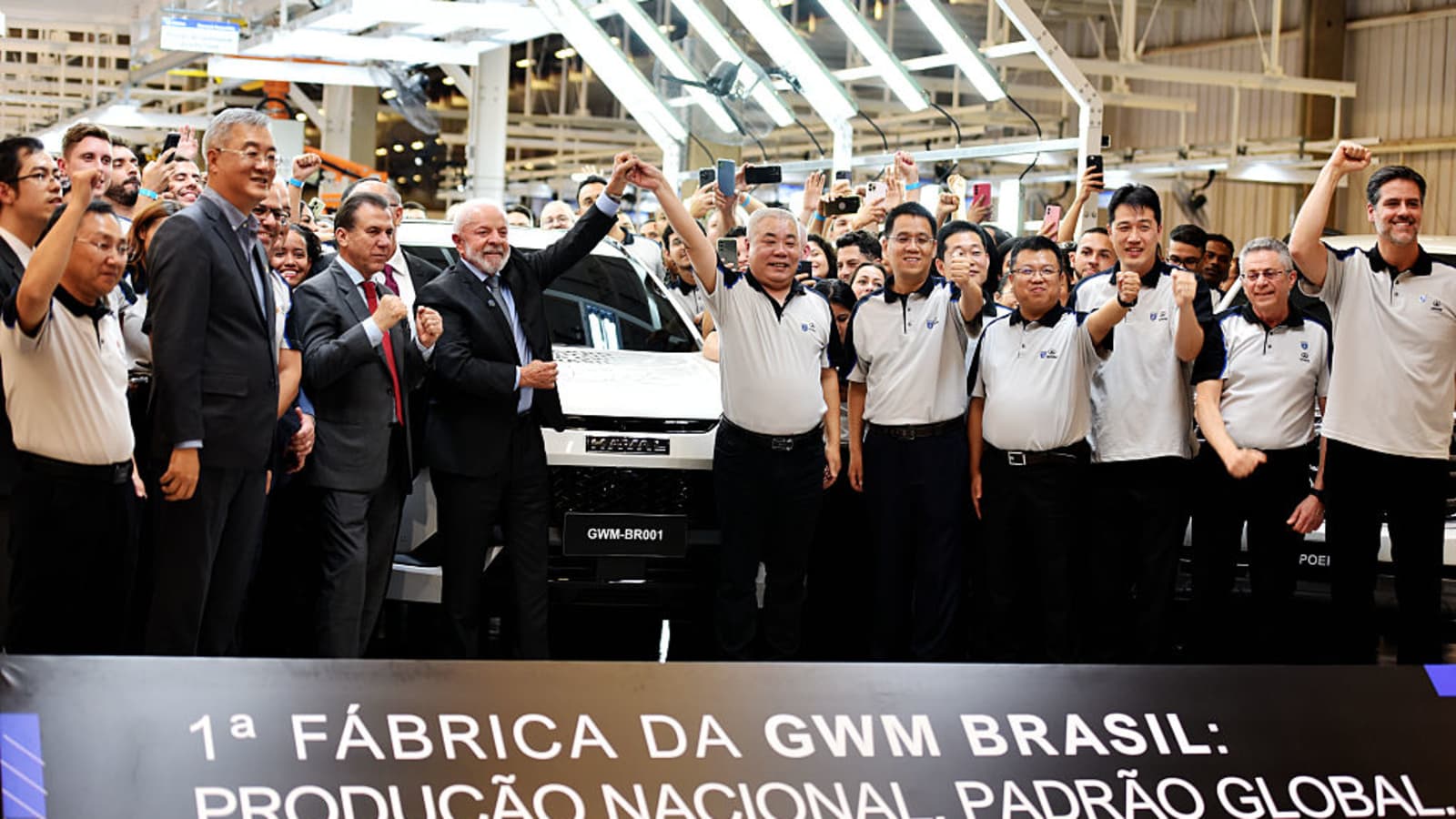
In a remarkable shift within the global automotive industry, Chinese automakers are now demonstrating an unprecedented level of international financial engagement. Recent data reveals that for the first time in history, Chinese automotive companies are allocating more resources toward foreign investments than they are investing domestically. This trend marks a significant turning point, not just for China’s automotive sector but also for the global market dynamics.
Understanding the Shift: From Domestic Growth to Global Expansion
Historically, Chinese automakers, backed by expansive government policies and a significant domestic market, focused primarily on strengthening their presence within China. Domestic investments fueled the rapid expansion of local brands, new manufacturing plants, and technological advancements. However, recent reports, notably from Reuters,
Chinese automakers are now channeling record-breaking amounts of foreign capital into markets across Asia, North America, Europe, and Africa. This strategic shift is driven by multiple factors including the desire to access advanced technology, expand brand recognition internationally, and tap into new consumer bases. The global footprint of Chinese brands is expanding rapidly, bridging the gap between domestic dominance and international influence.
Key Drivers Behind Increased Foreign Investment
1. Technological Innovation and R&D
Chinese automakers are heavily investing abroad to acquire advanced automotive technologies such as electric vehicle (EV) innovations, autonomous driving systems, and sophisticated manufacturing processes. These investments allow Chinese firms to stay at the forefront of innovation without solely relying on domestic R&D, which has historically been a challenge due to high costs and technical barriers.
2. Diversification of Market Risks
Over-reliance on the Chinese domestic market may pose risks tied to regulations, economic fluctuations, or geopolitical tension. By engaging in international markets, automakers diversify their revenue streams and mitigate risks associated with localized downturns.
3. Favorable International Policies and Trade Agreements
Global cooperation agreements, bilateral trade pacts, and reduced tariffs have opened up more opportunities for Chinese automakers abroad. Lowered barriers have made it more attractive and feasible to establish production bases, joint ventures, and supply chain networks overseas.
4. Brand Globalization and Growing International Demand
Chinese car brands are working hard to rebuild their image from affordable mass-market vehicles to premium, technologically advanced products. This rebranding is supported by large investments in joint ventures with established foreign brands, aiming to boost credibility and appeal to global consumers.
Impact on China’s Domestic Market and Industry
While increased foreign investment might suggest a slowdown in domestic spending, it also signifies the maturation of China’s automotive industry. Companies investing abroad are not abandoning their home base but are seeking a balanced growth strategy that complements their domestic market strength. This global expansion allows Chinese automakers to leverage China’s manufacturing efficiency and scale while gaining international market share.
Moreover, the surge in foreign investments has also attracted global partners interested in innovative Chinese electric vehicles, further catalyzing technological exchange and joint development projects. It promotes a more competitive and integrated industry landscape, benefiting consumers worldwide with better products and options.
Challenges and Considerations for Chinese Automakers
Despite the promising outlook, Chinese automakers face several hurdles in their international journey:
- Regulatory Hurdles: Different countries have stringent safety, emissions, and quality standards, which can complicate market entry.
- Brand Recognition: Competing with established global automakers requires significant marketing efforts and brand building.
- Supply Chain and Logistics: Establishing reliable supply chains in foreign territories is complex and resource-intensive.
- Geopolitical Tensions: Political issues and trade disputes can impact investments and operations abroad.
Overcoming these challenges will require strategic planning, technological innovation, and sustained efforts in branding and market adaptation.
The Future Outlook: A New Era for Chinese Automotive Globalisation
The record foreign investments by Chinese automakers underscore a transformative period for the industry. They are positioning themselves not just as competitive domestic players but as influential global brands. This evolution is expected to accelerate, driven by innovations in electric vehicles, connected cars, and sustainable mobility solutions.
Furthermore, as Chinese automakers deepen their global footprint, they will likely influence international standards and set new benchmarks in quality, price competitiveness, and technological leadership. This will reshape the competitive landscape, compelling traditional automakers to innovate and adapt quickly.
In summary, the transition of Chinese automakers from primarily domestic players to significant international investors marks a pivotal moment in the automotive industry. It reflects China’s strategic push towards technological advancement, market diversification, and global influence. The coming years will be crucial to observe how these investments translate into tangible market gains and industry innovation.
For more updated news please keep visiting Hourly Prime News.