

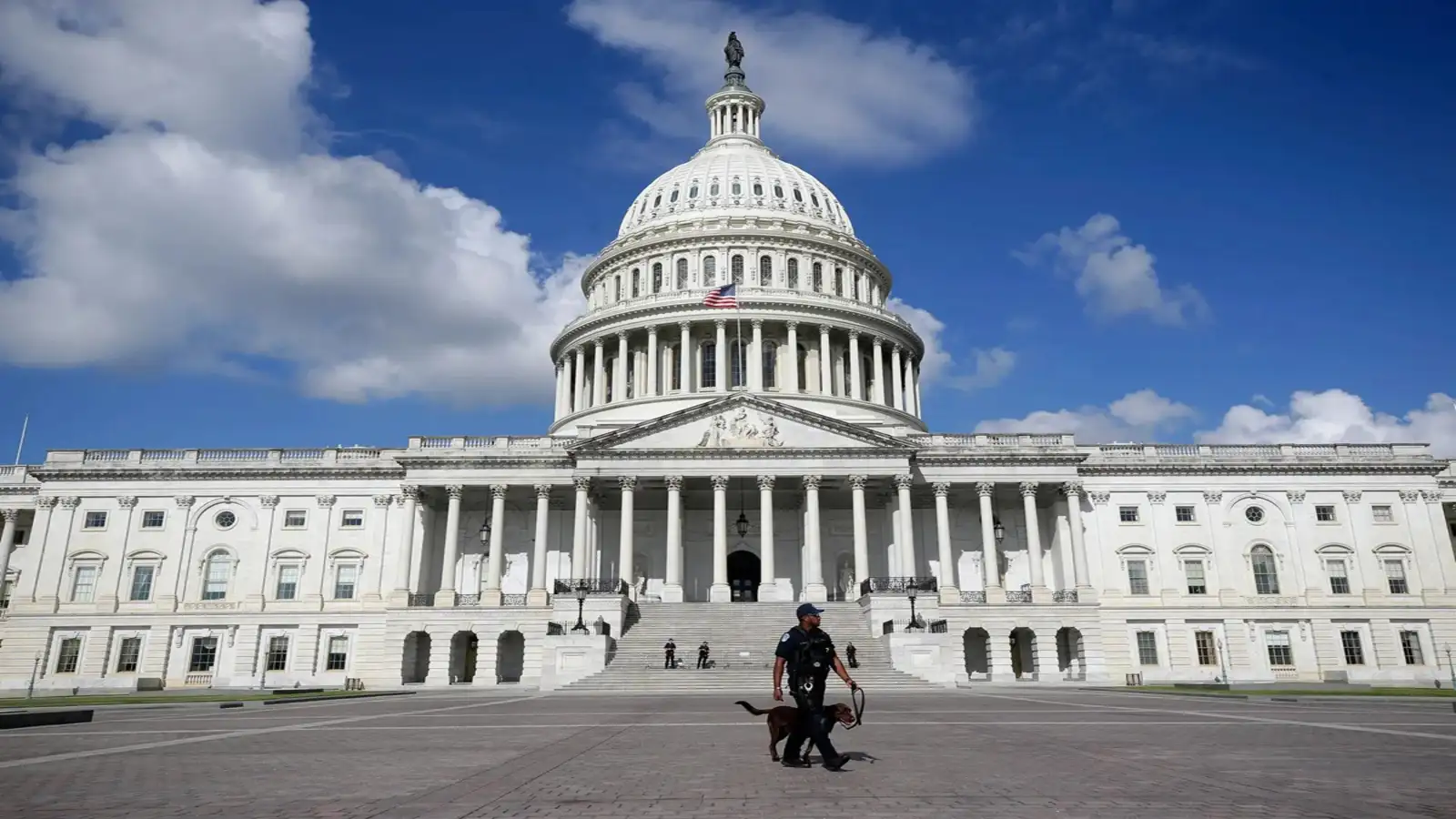
The prospect of a government shutdown in the United States has once again become a pressing concern as the deadline looms. With political negotiations reaching a critical juncture, millions of Americans are left wondering: what happens if the US government shuts down tonight? While the political stakes are high, the consequences for everyday services, federal agencies, and the economy are potentially severe. In this article, we will explore the key impacts of the possible shutdown, which services are likely to be affected, and analyze the broader implications for the nation’s stability and future.
Understanding the Potential Impact of a Shutdown
What is a Government Shutdown?
A government shutdown occurs when Congress fails to pass appropriation bills or continuing resolutions to fund federal agencies. In such cases, many government functions are halted or slowed down as agencies operate with limited or no funding. Historically, shutdowns have varied in duration and impact, often exposing vulnerabilities in the federal budget process and political cooperation.
As of late 2023, the United States is again approaching a shutdown deadline, with lawmakers struggling to reach an agreement on budgetary allocations. The consequences of this failure to fund the government are wide-ranging and impactful.
Key Impacts of the 2023 Shutdown
- Federal Employees and Contractors: Thousands of federal employees may be furloughed, losing paychecks temporarily. Contractors and private-sector workers dependent on government contracts could also face delays or job insecurity.
- Public Services Disruption: Essential services such as national parks, environmental monitoring, and certain administrative functions could halt. Non-essential services are likely to be suspended until funding is restored.
- Economic Effects: A shutdown can cause market uncertainty, reduce consumer and investor confidence, and slow economic growth. Small businesses relying on federal permits or contracts may face hardships.
- Impact on Social Programs: Programs like food assistance, housing support, and health services might experience delays or reductions, especially if the shutdown extends for an extended period.
- National Security Concerns: While active operations at bases and defense operations continue to some extent, non-essential diplomatic services and administrative functions may be curtailed, affecting broader security policies.
Which Services Will Stop or Be Affected?
Essential vs. Non-Essential Services
The federal government classifies its operations into essential and non-essential functions. During a shutdown, essential services—those vital to public safety and crisis response—continue to operate, though often with limited staffing. Non-essential services, however, are paused. Here’s a closer look:
Affected Services in Detail
- National Parks and Museums: Most national parks, monuments, and Smithsonian museums are likely to close, disrupting tourism and local economies that depend on visitors.
- IRS and Tax Services: The Internal Revenue Service may halt processing of returns and refunds, causing delays for taxpayers.
- Federal Lending and Assistance Programs: Applications for loans, grants, and housing support may face delays, impacting individuals and businesses.
- Immigration and Visa Processing: Service disruptions could occur, leading to delays in processing applications and renewals.
- Mail Delivery and USPS Operations: The United States Postal Service operates independently of the federal budget, so mail delivery typically continues, but certain administrative functions could slow down.
- Military and Emergency Response: Active-duty military personnel continue their duties, but some administrative support functions could be affected.
- Federal Courts: Some court functions may be delayed, especially those relying on federal funding.
Who Is Most at Risk During the Shutdown?
Federal Employees and Contractors
The immediate impact of a shutdown falls on federal employees, many of whom could face furloughs without pay until Congress resolves their funding. Contract workers, often providing essential services, may be similarly affected.
Citizens Relying on Federal Assistance
People depending on social safety nets like food stamps, housing assistance, and healthcare might experience delays, creating hardship for vulnerable populations.
Small Businesses and Local Economies
Businesses involved in federal contracts or dependent on tourism, such as those near national parks or museums, may face revenue losses. In some cases, delayed permits and approvals can impede business operations.
Travelers and Tourists
Heavy disruptions at national parks and public sites can impact travel plans, especially during peak tourist seasons. Additionally, delays in visa processing can affect international travel and business.
What’s at Stake if the Shutdown Extends?
Long-Term Economic Damage
The longer the shutdown persists, the more significant the economic toll. Market instability, loss of government revenue, and increased borrowing costs could result from prolonged closures. Small businesses may face extended uncertainty, and consumer confidence could deteriorate further.
Damage to U.S. Credibility
A shutdown undermines the country’s credibility on the global stage, especially when international partners rely on U.S. stability for diplomatic and economic collaborations. It signals political discord and can weaken negotiations on trade, defense, and other policy areas.
Delayed Policy Implementation
Key policy initiatives, including budget reform, infrastructure projects, and social programs, face delays. This impairs long-term planning and recovery efforts, especially in critical sectors like public health and environmental management.
Historical Context and Previous Shutdowns
The U.S. has experienced several government shutdowns in the past, with notable instances in 2013 and 2018-2019. During these episodes, national parks were closed, federal employees faced furloughs, and public trust waned. The shutdowns ranged from a few days to over a month, illustrating how sustained deadlock can cause widespread disruption.
Annealing the pain of previous shutdowns informs current political debates, yet the ongoing inability of Congress to reach consensus underscores the persistent risk of repeating history.
Current Status and Outlook
As reports indicate, Congress has less than 24 hours to prevent a shutdown, but the odds do not seem promising. Politicians are entrenched in contentious negotiations, and partisan disagreements continue to stall progress on critical funding bills. Experts warn that if an agreement isn’t reached, Americans will face the immediate fallout, and the nation’s reputation may further suffer.
Most analysts agree that a last-minute deal, while possible, remains uncertain. The stakes are high, and urgent bipartisan cooperation is essential to avert a crisis.
Conclusion
The potential government shutdown of 2023 presents a complex web of risks and repercussions. From impacting federal employees and essential public services to shaking investor confidence and damaging the country’s international standing, the stakes could not be higher. Citizens, businesses, and policymakers must stay alert as negotiations unfold, with hope for a swift resolution to minimize disruptions and ensure the government’s vital functions continue seamlessly.
Remember: The impact of a shutdown extends beyond political theater; it directly affects millions of Americans daily. The need for bipartisan cooperation has never been more urgent.
For more updated news please keep visiting Hourly Prime News.