

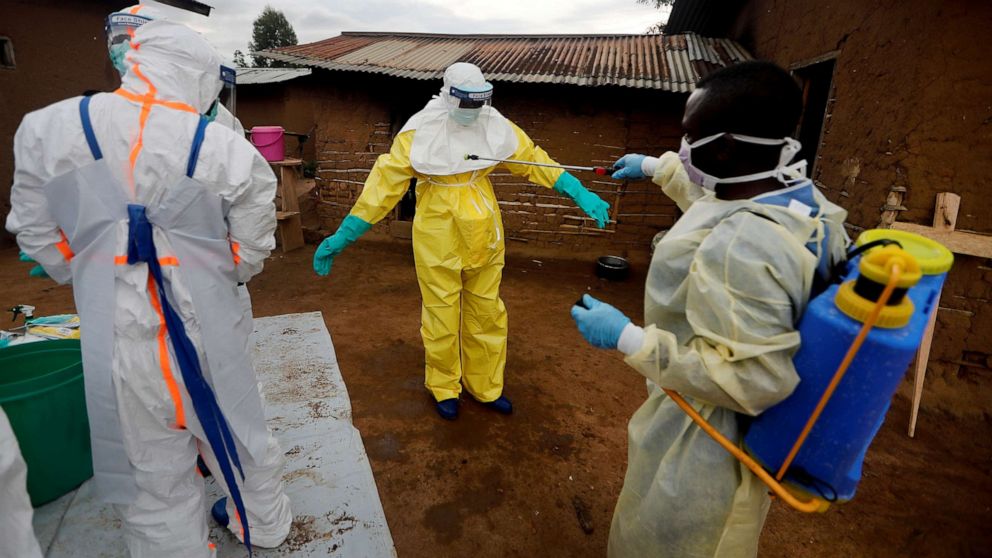
The Democratic Republic of the Congo (DR Congo) is currently grappling with a severe outbreak of the deadly Ebola virus, which has resulted in the unfortunate loss of life of at least 42 individuals. This surge in infections has alarmed health authorities and international organizations alike, prompting urgent calls for heightened vigilance and coordinated responses. The outbreak underscores the persistent threat Ebola poses to public health, especially in regions with fragile healthcare infrastructure and ongoing socio-political challenges.
The Escalating Toll of the Outbreak
Deaths and Geographic Spread
Recent reports confirm that the number of fatalities linked to the current Ebola outbreak in DR Congo has risen to 42. The situation is dire, with health officials racing to contain the virus’s spread. The outbreak has touched multiple provinces, including Kasai, an area known for its difficult terrain and limited healthcare access. The virus’s ability to spread rapidly in such environments exacerbates the challenge, requiring swift action to prevent further loss of life.
According to the latest situation reports, the outbreak’s scope continues to expand, with new cases being reported daily. The affected regions often have limited resources, making containment efforts more complex and urgent. Villages and communities are on high alert, with local populations cooperating with health teams to mitigate transmission.
Health System Strain and Community Impact
The outbreak has placed tremendous pressure on local healthcare systems that are often underfunded and overburdened. Hospitals struggle with adequate staffing, supplies, and isolation facilities necessary to treat Ebola patients. Moreover, the social and economic repercussions are profound, as fear and misinformation lead to stigmatization and disruption of daily life for residents.
International Response and Calls for Vigilance
Global Alerts and Assistance
The United Nations and global health agencies have issued urgent warnings, emphasizing the need for enhanced surveillance, rapid response teams, and community engagement. The UN has called for increased vigilance worldwide, recognizing that Ebola’s potential to cross borders makes it a threat for the entire global community.
Organizations like UNICEF and the Centers for Disease Control and Prevention (CDC) are actively involved, providing essential supplies, training, and technical support to local authorities. In addition to immediate containment efforts, there is a focus on deploying vaccines to at-risk populations, as vaccination has proven effective in curbing Ebola outbreaks historically.
Preventative Measures and Vaccination Campaigns
Vaccines and Medical Interventions
One of the key strategies in fighting this Ebola outbreak has been the rapid deployment of vaccines. UNICEF reports that they are delivering vaccines and life-saving supplies to affected areas, aiming to immunize vulnerable populations and prevent further transmission.
The vaccines used are highly effective, but logistical challenges such as reaching remote communities and overcoming local skepticism pose hurdles. Health workers are also emphasizing the importance of standard infection prevention and control practices, including wearing protective gear, proper sterilization, and community education about avoiding contact with infected individuals.
Community Engagement and Education
To combat misinformation and cultural barriers, local authorities and international organizations are working on community engagement initiatives. These initiatives aim to inform the public about Ebola transmission, symptoms, and the importance of seeking medical care promptly. Encouraging community participation has been critical in enhancing the effectiveness of vaccination campaigns and infection control measures.
The Broader Context: Historical and Societal Challenges
The DR Congo has faced recurring Ebola outbreaks over the past decades, owing to various factors including political instability, armed conflicts, and weak health infrastructure. These conditions hinder rapid response and containment efforts, allowing the virus to spread more widely and turn into a public health emergency.
Additionally, societal issues such as mistrust towards authorities and misinformation complicate outreach efforts. It is crucial for health agencies to work closely with local leaders and communities to rebuild trust and ensure that lifesaving interventions are accepted and properly implemented.
The Role of Global Vigilance and Preparedness
Lessons from Past Outbreaks
The ongoing Ebola crisis in DR Congo highlights the importance of global vigilance in infectious disease management. Past outbreaks have shown that early detection, rapid response, and community cooperation are vital to curbing the spread. International collaboration, along with continuous investment in healthcare infrastructure, preparedness plans, and vaccines, can significantly enhance responses to future outbreaks.
What Can Be Done Next?
- Strengthening healthcare systems: Increasing funding and resources for local health facilities.
- Enhancing surveillance: Improving disease detection mechanisms at borders and within communities.
- Mobilizing global support: Ensuring swift logistical support from international partners.
- Promoting community engagement: Building trust and disseminating accurate information to combat misinformation.
Conclusion: A Call for Collective Action
The Ebola outbreak in DR Congo serves as a stark reminder of the persistent threat that emerging infectious diseases pose to global health security. While local efforts are critical, the international community must come together to provide support, resources, and expertise to effectively manage such crises. Ensuring rapid response, strengthening health infrastructure, and fostering community trust are essential steps in preventing further tragedies.
As the world watches, it is incumbent upon us all to remain vigilant and proactive in combating Ebola and other deadly diseases. Only through collective action and sustained commitment can we hope to contain this outbreak and prevent future crises.
For more updated news please keep visiting Hourly Prime News.