

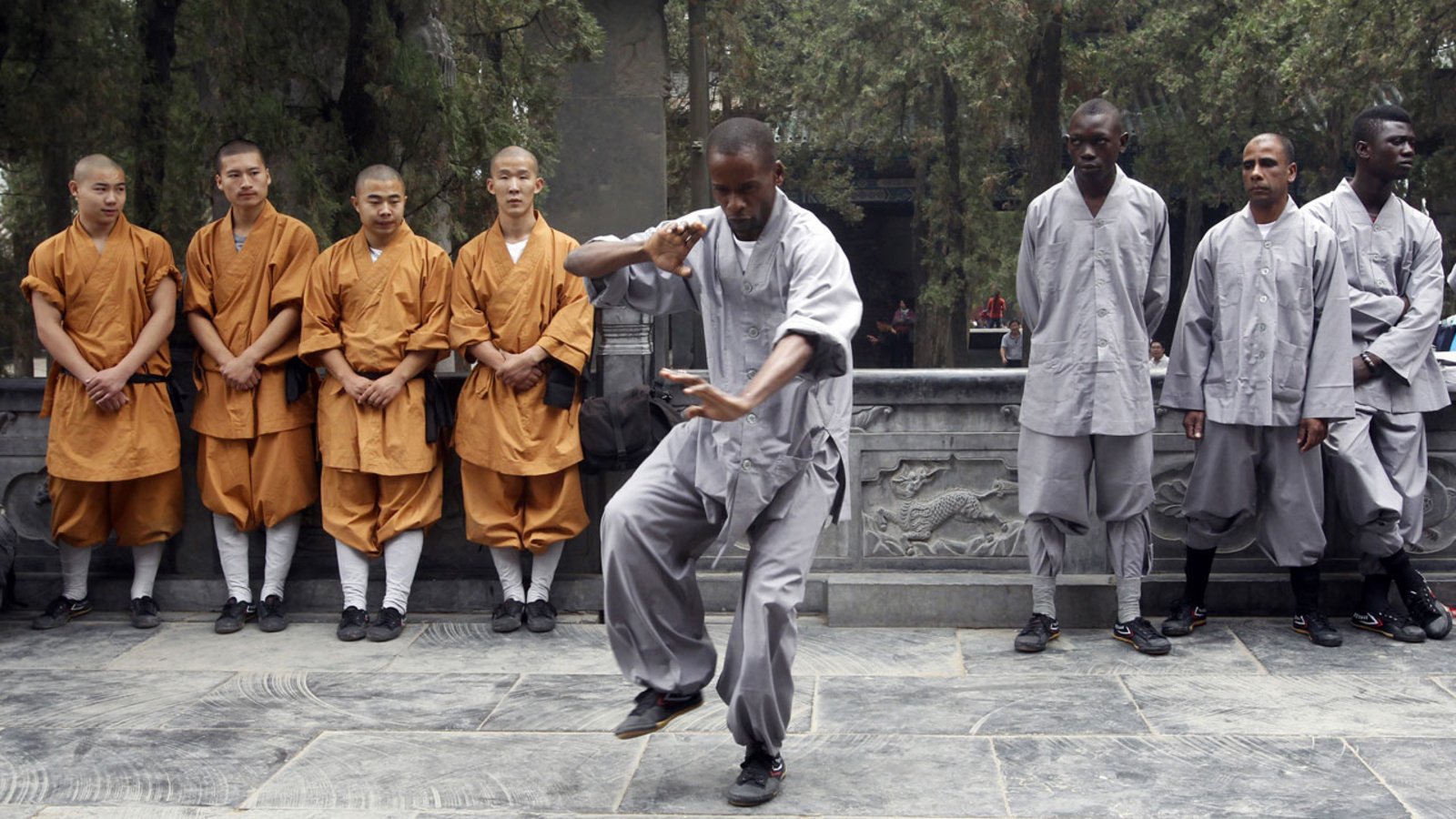
Over the past few decades, China has rapidly transformed its global image, shifting from a primarily economic power to a rising cultural influence on the world stage. While traditional diplomacy and economic ties have played significant roles, the strategic use of soft power—particularly through popular culture and media—is increasingly being recognized as a vital component of China’s international outreach. This approach aims not just to promote Chinese products or political ideals, but to shape perceptions, foster cultural affinity, and enhance the country’s global reputation.
The Concept of Soft Power and Its Significance
Soft power, a term coined by Joseph Nye, refers to the ability of a country to influence others through appeal and attraction rather than through coercion or payment. Unlike hard power, which involves military or economic force, soft power relies heavily on culture, media, values, and ideas. For China, leveraging soft power is essential to challenge stereotypes, create favorable narratives, and establish a more positive image internationally.
In recent years, Beijing has recognized that cultural diplomacy—via film, television, literature, arts, and new media—can be particularly effective in achieving these aims. The successful projection of soft power through cultural avenues can lead to increased tourism, foreign investment, academic exchange, and geopolitical influence.
From Traditional Arts to Digital Media: Expanding China’s Cultural Footprint
Historical Roots and Contemporary Approaches
Historically, China’s rich cultural heritage has served as a foundation for its soft power. Confucian values, traditional festivals, Chinese cuisine, and classical arts naturally attract admiration. However, modern efforts are increasingly focused on contemporary media and pop culture to reach global audiences more effectively.
The Chinese government has actively promoted media initiatives such as international film festivals, cultural exchange programs, and language promotion through Confucius Institutes. In addition, China’s film and television industries are producing content that appeals to global viewers, often highlighting Chinese stories, history, and modern urban life.
The Role of Popular Culture and Media in Shaping Global Perceptions
Popular culture, especially through films, anime, video games, and social media, profoundly influences how a country is perceived. For China, the rise of domestic blockbusters, animated series, and video games has become central to its cultural diplomacy.
For example, the development of high-quality video games such as Black Myth: Wukong signifies a shift towards showcasing Chinese mythology and folklore on an international level. Such projects not only entertain but also serve as cultural ambassadors, introducing audiences worldwide to Chinese mythology, history, and identity.
The Impact of Chinese Pop Icons and Media Narratives
Prominent Cultural Figures and Events
China’s celebrities, whether in cinema, music, or online platforms, are increasingly becoming global brands. From film stars to social media influencers, these figures help humanize China and showcase its modern, diverse society.
Major events such as the Shanghai Film Festival or CCTV’s international broadcasting serve as platforms for sharing Chinese stories and perspectives beyond national borders.
The Power of Digital Platforms
Platforms like TikTok (owned by the Chinese company ByteDance), WeChat, and Douyin allow China to directly reach international audiences, bypassing traditional media constraints. By creating localized content, engaging campaigns, and cultural collaborations, China aims to craft a narrative that is relatable and appealing to diverse demographics worldwide.
Challenges and Limitations in Using Culture for Soft Power
- Cultural Misinterpretations and Stereotypes: Despite efforts, there remains a gap between China’s cultural export and the perceptions held abroad. Misunderstandings can arise due to differences in values or political narratives.
- Political Sensitivities and Censorship: The politicization of cultural content can hinder authentic cultural exchange. International audiences may view Chinese media through a lens of censorship or propaganda.
- Fragmented Global Audience: With diverse cultural landscapes worldwide, China’s soft power efforts must be tailored carefully to resonate with varied regional contexts.
Addressing the Challenges
To overcome these hurdles, China is increasingly investing in authentic, culturally rich content that emphasizes shared human values rather than political narratives. Collaborating with international creators and platforms also helps to foster genuine cultural dialogue.
Case Study: From Black Myth: Wukong to Labubu
From Black Myth: Wukong to Labubu: Can China Project Soft Power? by the Asia Society, offers an insightful analysis of how Chinese media projects cultural narratives. The game Black Myth: Wukong exemplifies this strategy by drawing from the legendary Monkey King, a figure embedded in Chinese folklore, to create a compelling, culturally rooted gaming experience that appeals globally.
This initiative demonstrates China’s capability to harness entertainment media to introduce its traditional stories to a broader audience, fostering cultural curiosity and admiration.
The Future of China’s Cultural Diplomacy
Looking ahead, China’s soft power endeavors are likely to become more sophisticated and nuanced. With advancements in technology like virtual reality, augmented reality, and AI, Chinese cultural content can be made more immersive and engaging. Additionally, China’s Belt and Road Initiative increasingly incorporates cultural exchanges as vital components of its diplomatic efforts.
Meanwhile, ongoing efforts to promote cultural understanding and mutual respect are crucial for ensuring that China’s soft power efforts resonate positively on the international stage. This includes fostering cross-cultural collaborations, supporting authentic storytelling, and respecting the diverse cultural landscapes of recipient nations.
Conclusion
In conclusion, China is making concerted efforts to boost its soft power through popular culture and media. While there are challenges, the strategic leveraging of entertainment, digital platforms, and cultural narratives holds tremendous potential to shape a positive international image. As China continues to develop its cultural diplomacy, it will be interesting to observe how its soft power influence evolves and what new avenues it will explore to present a dynamic, multi-faceted national identity to the world.
Ultimately, the success of China’s soft power projection will depend on its ability to balance authentic cultural expression with strategic diplomacy, fostering genuine connections that transcend political boundaries and resonate with global audiences.
References
For more updated news please keep visiting Hourly Prime News.