

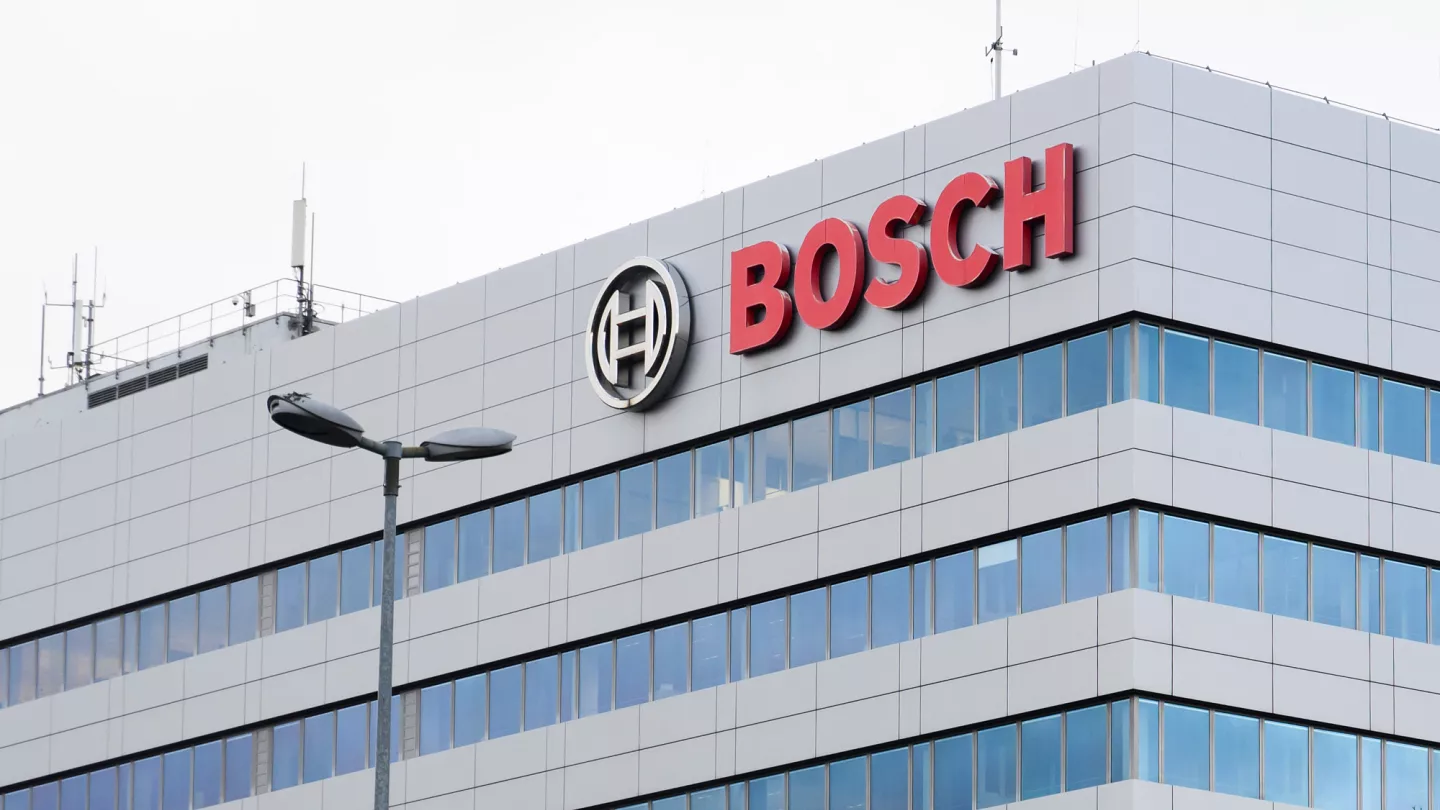
In a bold move reflecting the current geopolitical and technological landscape, Bosch, one of the world’s leading suppliers of automotive parts and technology solutions, has announced plans to cut approximately 13,000 jobs worldwide. This substantial workforce reduction signals a significant transformation within the company, driven by multiple factors including rising tariffs, intensifying global competition, and the stalled progress in hydrogen fuel technology.
Understanding the Drivers Behind Bosch’s Workforce Restructuring
Impact of Tariffs and Trade Policies
Over recent years, the global trade environment has become increasingly uncertain, largely due to the escalation of tariffs and trade restrictions between major economies. Bosch, which operates extensively across Europe, Asia, and North America, has felt the brunt of these policies. The tariffs have increased the cost of importing and exporting components, squeezing profit margins and making it challenging to sustain expansive employment levels.
Furthermore, the unpredictable nature of trade wars and tariffs complicates long-term planning for manufacturing and supply chain management. As a result, Bosch is reevaluating its operational strategies and streamlining its workforce to adapt more effectively to the volatile international market.
Heightened Competition in the Automotive Sector
The automotive industry is witnessing a fierce race toward electrification and innovation. Traditional automakers and new entrants alike are investing heavily in electric vehicles (EVs), autonomous driving, and connected car technologies. Bosch, historically known for its core automotive components, faces intense competition from tech giants, startups, and other suppliers who are aggressively vying for market share.
For Bosch, this increased competition necessitates restructuring and cost-cutting measures. Maintaining a competitive edge amid rapid technological changes requires agility, which unfortunately involves workforce reductions as the company shifts resources and refocuses on high-growth areas.
The Hydrogen Fuel Cell Conundrum
One of the more complex challenges Bosch faces involves hydrogen as a clean energy source. Although hydrogen fuel technology has long been heralded as a promising alternative to traditional internal combustion engines and battery electric vehicles, progress remains sluggish. Numerous technical, infrastructural, and economic hurdles have hindered widespread adoption.
Bosch’s investments in hydrogen technology have yet to yield the anticipated breakthroughs, leading the company to recalibrate its focus and investments. The result is a strategic downsizing in sectors related to hydrogen fuel cells and related R&D, contributing to the workforce reduction.
Implications of Job Cuts on Employees and Markets
For Employees
- Job Losses in Manufacturing and R&D: The layoffs will primarily affect manufacturing plants, research and development teams, and administrative staff. While the company has indicated efforts to provide support, retraining, and redeployment where possible, the immediate impact on thousands of workers will be profound.
- Regional Disparities: Job cuts are expected in multiple regions, including Europe and North America, where Bosch has a significant footprint. This may lead to localized economic repercussions, especially in areas heavily dependent on automotive manufacturing.
- Future Opportunities: Bosch emphasizes that these measures are part of a strategic restructuring aimed at long-term sustainability, with a focus on emerging technologies that promise growth and innovation.
Market and Industry Impact
- Shift in Supply Chain Dynamics: The reduction of jobs could influence the supply chain, pricing, and delivery timelines for automotive manufacturers relying on Bosch components.
- Competitor Response: Other industry players might interpret Bosch’s layoffs as a signal of ongoing industry upheaval, potentially accelerating their own restructuring efforts.
- Innovation Trajectory: The focus shift away from hydrogen could slow down progress in alternative energy solutions, impacting the broader push toward sustainable transportation.
Looking Ahead: What Does This Mean for the Automotive Industry?
Strategic Realignment and Investment Priorities
Bosch’s decision underscores the critical need for automakers and suppliers to realign their strategies in response to global economic shifts. Investment will likely shift toward electrification, software development, and autonomous systems—areas that promise higher growth and profitability.
Moreover, the company may accelerate partnerships and alliances with technology firms to bolster innovation, reduce costs, and share risks associated with new mobility solutions.
Challenges and Opportunities in Hydrogen Technology
Despite the current stall, hydrogen fuel technology retains potential as a zero-emission energy source. Moving forward, significant investments in infrastructure, research, and pilot projects are needed to unlock hydrogen’s full capabilities.
For companies like Bosch, this means recalibrating expectations and potentially focusing on niche applications or complementary technologies until the market and technical challenges are better addressed.
Broader Context: Industry-Wide Restructuring in Automotives
The layoffs at Bosch are emblematic of a larger overhaul within the automotive supply chain —a sector in transition amid the push for sustainability, digitization, and smarter mobility. Companies that adapt swiftly will be better positioned to thrive in this new landscape, while those slow to adjust risk obsolescence.
As the industry navigates through tariffs, technological disruptions, and evolving customer preferences, strategic workforce management and flexible innovation approaches will be paramount.
Conclusion
Bosch’s decision to cut 13,000 jobs highlights the multifaceted challenges faced by automotive suppliers today. From trade tariffs creating economic headwinds to fierce market competition and the uncertain future of hydrogen fuel technology, these factors collectively compel companies like Bosch to rethink their strategic paths.
While undoubtedly difficult for those affected, these changes also present opportunities to redirect focus toward sustainable growth areas. The auto industry’s future hinges on its ability to innovate, adapt, and embrace the new mobility ecosystem—with companies like Bosch playing a pivotal role in shaping that evolution.
For more updated news please keep visiting Hourly Prime News.