

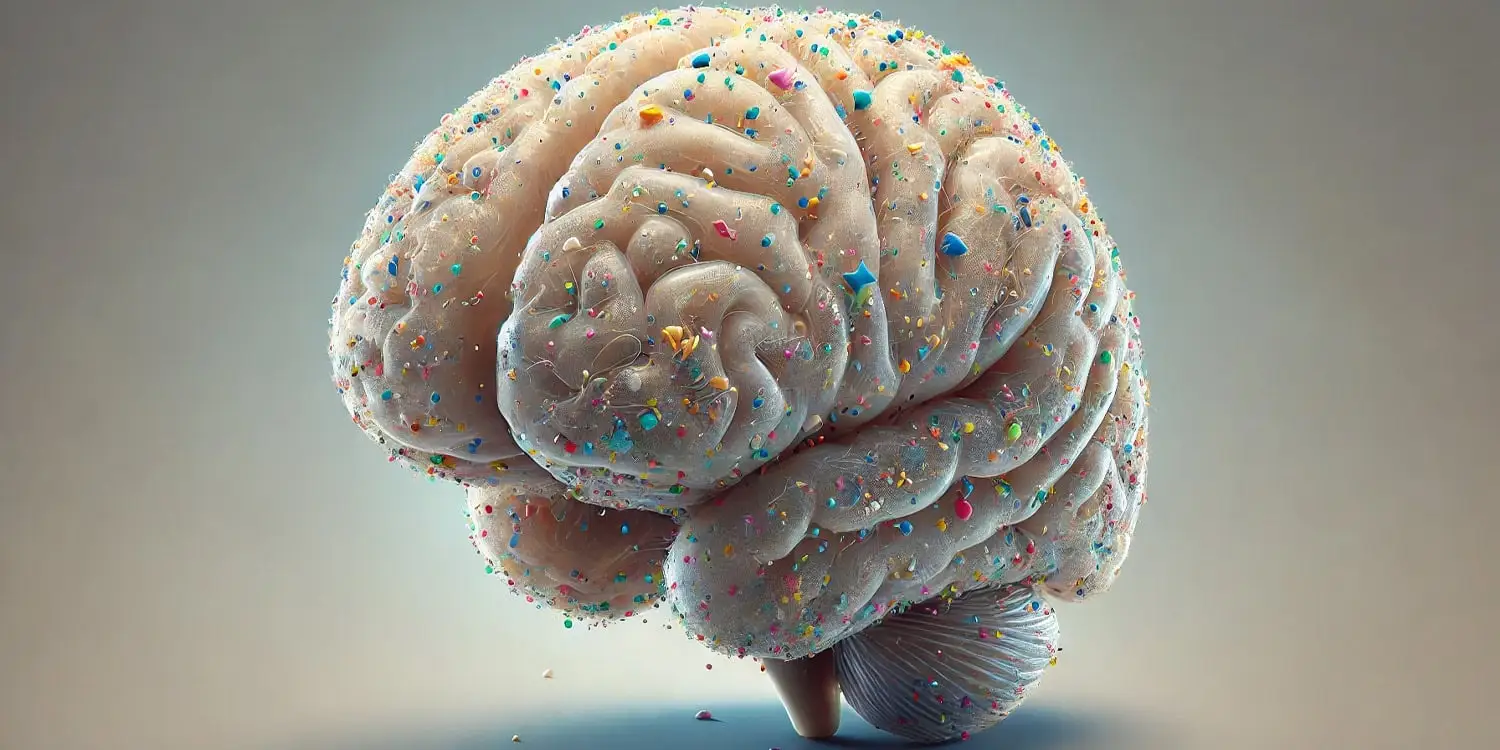
In recent groundbreaking research, scientists have uncovered unsettling evidence that microplastics are not just ubiquitous in our environment but are now found deep within human bones. This startling discovery raises urgent questions about how these tiny particles are entering our bodies, their potential impacts on human health, and the broader implications for environmental and public health policies.
The Discovery: Microplastics in Human Bones
Multiple studies, including investigations reported by published by ScienceAlert, have confirmed that microplastics have been located deposited within the human skeletal system.
This revelation is particularly alarming because bones are considered the body’s most protective and inert tissues, yet microplastics appear to have infiltrated even these seemingly secure structures. The particles identified are remarkably small, often less than 5 millimeters in size, capable of penetrating cellular and tissue barriers that were previously thought impenetrable.
The Pathway: How Do Microplastics Enter Human Bones?
Understanding how microplastics reach deep into human bones is a crucial challenge. Researchers hypothesize several potential pathways:
- Ingestion and Absorption: Microplastics present in contaminated food and water are ingested, then absorbed through the gastrointestinal tract into the bloodstream, where they can travel to various organs and tissues.
- Inhalation: Microplastics suspended in the air can be inhaled into the respiratory system and eventually migrate to the circulatory system.
- Migration from Soft Tissues: Microplastics may initially deposit in soft tissues and gradually migrate to bones over time, especially if they resist breakdown or clearance.
Once in the bloodstream, microplastics could potentially lodge within bone marrow or integrate into the bone matrix, posing long-term health risks that are only now beginning to be understood.
Potential Health Risks and Concerns
The presence of microplastics deep within human bones introduces several concerning questions:
1. Chronic Inflammation and Tissue Damage
Accumulation of foreign particles like microplastics can trigger inflammatory responses, leading to chronic inflammation, which is associated with a range of diseases including osteoporosis, degenerative bone conditions, and even cancers.
2. Chemical Toxicity and Carrier Effects
Microplastics often contain additives such as plasticizers, colorants, and stabilizers, many of which are known to be toxic or endocrine disruptors. Additionally, microplastics can adsorb environmental toxins like heavy metals and persistent organic pollutants, further increasing their potential to harm human cells and tissues.
3. Interference with Bone Regeneration and Repair
The infiltration of microplastics could impair normal bone remodeling processes, disrupting the activity of osteoblasts and osteoclasts, which are essential for maintaining healthy bone density and structure.
Gaps in Knowledge: What We Do Not Yet Know
Scientists are sounding the alarm, not just about the presence of microplastics inside bones but also because there is “a significant gap in our knowledge” regarding the long-term consequences. As reported by Yahoo News,
- How do microplastics move within the human body?
- What are the long-term health impacts of accumulation within bones?
- Are microplastics responsible for or contributing to age-related degenerative diseases?
- How can we better detect, monitor, and prevent microplastic infiltration?
Addressing these gaps requires interdisciplinary research efforts blending toxicology, environmental science, medicine, and public health. Only then can we develop effective strategies to mitigate risks and reinforce safety standards.
The Broader Context: Microplastics as an Invisible Threat
Beyond the direct health implications, microplastics represent a larger environmental crisis. They are pervasive in oceans, air, soil, and ultimately, into the food chain. The adage “you are what you eat” takes on a new dimension in this context — implying that microplastics from environmental contamination are becoming integral parts of human biology.
Investigations such as those highlighted by The Business Standard emphasize that microplastics are an “invisible yet visible threat”, profoundly affecting human health and environmental stability.
What Can Be Done?
- Reduce plastic usage: Transitioning to sustainable alternatives and minimizing single-use plastics can significantly lower environmental contamination.
- Improve waste management: Advanced recycling and waste disposal methods are essential to prevent plastics from entering ecosystems.
- Strengthen regulations: Governments and regulatory bodies need to enforce stricter standards on plastic production, chemical additives, and waste disposal.
- Public awareness and education: Informing communities about the dangers of microplastics and ways to limit exposure is vital.
- Scientific research and innovation: Developing new detection techniques and bioremediation technologies can help address existing contamination.
Looking Ahead: The Path to Safer Environments and Health
The recent discovery of microplastics in human bones underscores the urgent need for global cooperation to tackle plastic pollution and safeguard public health. It serves as a stark reminder that our environmental footprint directly impacts our biological systems, often in ways we are only beginning to understand.
Future research must focus on elucidating the full extent of microplastic infiltration across different tissues and understanding the mechanisms of their toxicity. Meanwhile, individual actions, policy enforcement, and technological innovations will be critical in curbing this silent threat.
Conclusion
As scientists continue to unravel the complex interactions between microplastics and human health, one thing is clear: this is an evolving crisis demanding immediate attention. The presence of microplastics deep within human bones is a wake-up call — highlighting the interconnectedness of environmental health and human well-being. We must act now to reduce plastic pollution, improve waste management, and invest in research that can ultimately protect future generations from this invisible menace.
For more updated news please keep visiting Hourly Prime News.