

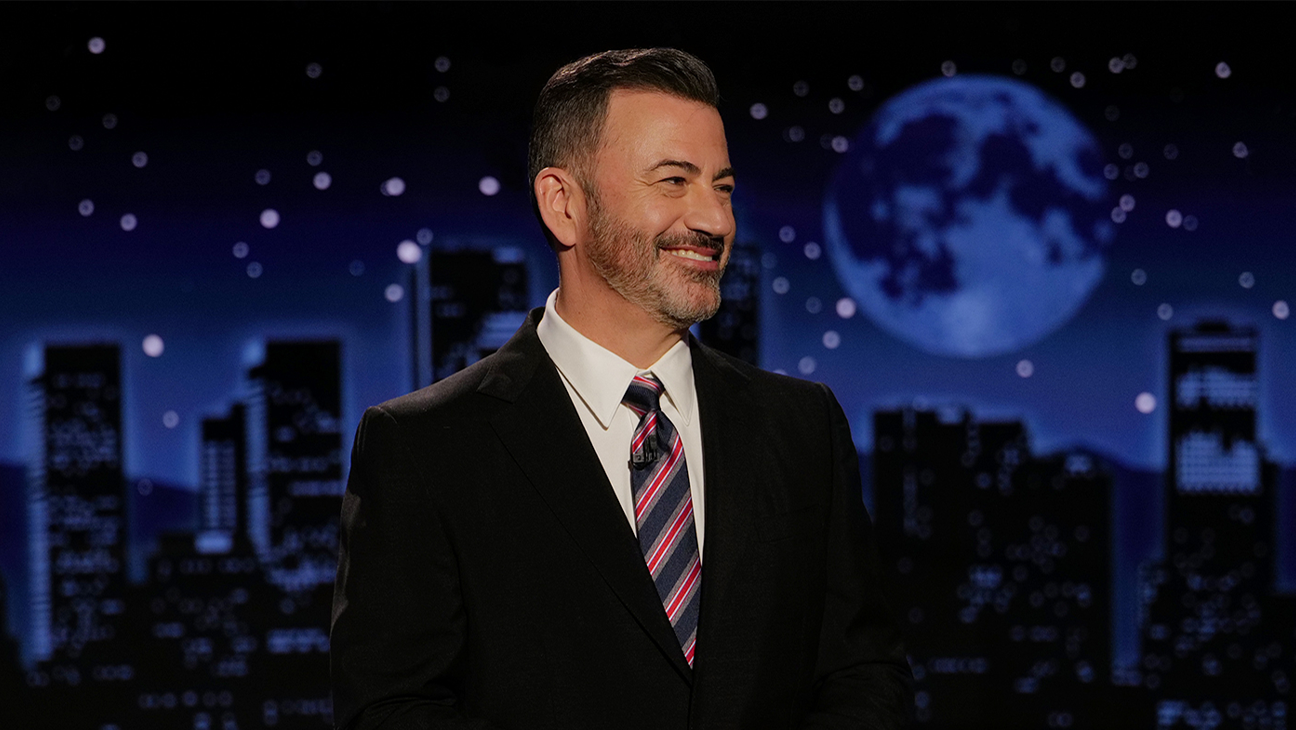
In recent times, late-night television has once again become the battleground for high-stakes political commentary and entertainment rivalry. Among the prominent figures in this arena, Jimmy Kimmel has proven to be a vocal and unrelenting critic of political figures and media entities alike. His latest actions—particularly his pointed responses to former President Donald Trump’s recent tirades and his outspoken stance against ABC threats—have sparked widespread discussion about integrity, free speech, and the role of entertainment in political discourse.
Kimmel’s Response to Trump’s Rant: A Witty yet Powerful Claps Back
Recently, Jimmy Kimmel took a bold stance by publicly clapping back at Donald Trump’s scathing rant, which had accused various media outlets and late-night hosts of bias and censorship. Kimmel, never one to shy away from controversy, responded with characteristic wit, questioning, “You hear that?” in a tongue-in-cheek manner, challenging Trump to clarify his claims and, perhaps, exposing the irony of the former president’s accusations.
Kimmel’s response was not merely a flippant remark; it was a strategic and pointed rebuttal to Trump’s ongoing narrative about media suppression and unfair treatment. By mocking the ratings slump Trump has experienced—often linked to his controversial statements and public outbursts—Kimmel effectively highlighted the disconnect between Trump’s perceived influence and his real-world ratings and popularity. The late-night host used this moment to subtly remind the audience that, despite Trump’s assertions, his support base might not be as mighty as claimed, and that his influence continues to dwindle among mainstream audiences.
Mocking Ratings: A Clear Message
In the realm of political entertainment, metrics such as TV ratings are more than numbers—they are indicators of public sentiment and viewership loyalty. Despite being a relatively limited show in terms of scope, Kimmel’s return to the spotlight garnered record-breaking ratings, signaling that his influence remains robust and that viewers are seeking alternative voices amidst the political noise.
Sources like the BBC have documented unprecedented ratings for Kimmel, emphasizing that despite a limited schedule, his return captures audience attention and signals a shift in late-night viewership patterns.
Call-Outs and Transparency: Kimmel’s Stand Against ABC Threats
Beyond ratings, Kimmel has been vocal about threats and intimidation tactics allegedly orchestrated by some networks, including ABC, which airs his show. He openly addressed what he perceives as undue pressure or threats from the network, calling attention to the importance of free speech and journalistic independence. This stance adds a new dimension to the conversation about media accountability and corporate influence in political commentary.
In a recent monologue, Kimmel stated, “You know, I’ve faced suspension, criticism, and even threats—yet I stand by my principles.” His message resonates with many who fear that corporate interests might compromise honest, unfiltered discourse. Of course, this has led to polarized opinions—some praising his courage, others questioning his motives—yet the undeniable fact remains: Kimmel’s willingness to call out powerful institutions underscores the role of entertainers as watchdogs in modern society.
The Broader Context: Free Speech and Media in the US
Jimmy Kimmel’s activism isn’t happening in isolation. It reflects a broader debate bubbling across the United States about free speech, media bias, and the influence of political figures. Articles such as those from The Times of India and others point out how these discussions are shaping national policies and societal attitudes towards freedom of expression, censorship, and political accountability.
Late-Night Television as a Platform for Political Engagement
Jimmy Kimmel’s resurgence in popularity and his outspoken stance exemplify the critical role that late-night shows play in American political and social life. Far from just entertainment, they serve as platforms for critique and dialogue—an arena where power is challenged, and societal values are debated.
The recent high ratings of his show indicate that audiences are hungry for content that pushes boundaries and confronts uncomfortable truths. Kimmel’s willingness to return from suspension and address sensitive issues shows a commitment to transparency and integrity—principles that are crucial for a healthy democracy.
Conclusion: A Reflection of a Divided Yet Engaged Society
In sum, Jimmy Kimmel’s recent actions are emblematic of the larger societal dynamics at play. His mockery of Donald Trump’s ratings decline and his vocal stance against ABC’s threats demonstrate the power of media personalities in shaping public discourse. They highlight the ongoing struggle between free speech and corporate interests, and reflect a society that remains deeply polarized yet profoundly engaged with issues of truth, influence, and accountability.
As the landscape of political commentary becomes increasingly complex, figures like Kimmel offer a voice of resistance and realism. His ability to draw record ratings despite limited shows underscores a potent hunger in the public for outspoken, honest, and daring programming that challenges the status quo.
In this era of rapid information exchange and political turbulence, the role of entertainment as a vehicle for truth and societal critique has never been more vital.
For more updated news please keep visiting Hourly Prime News.