

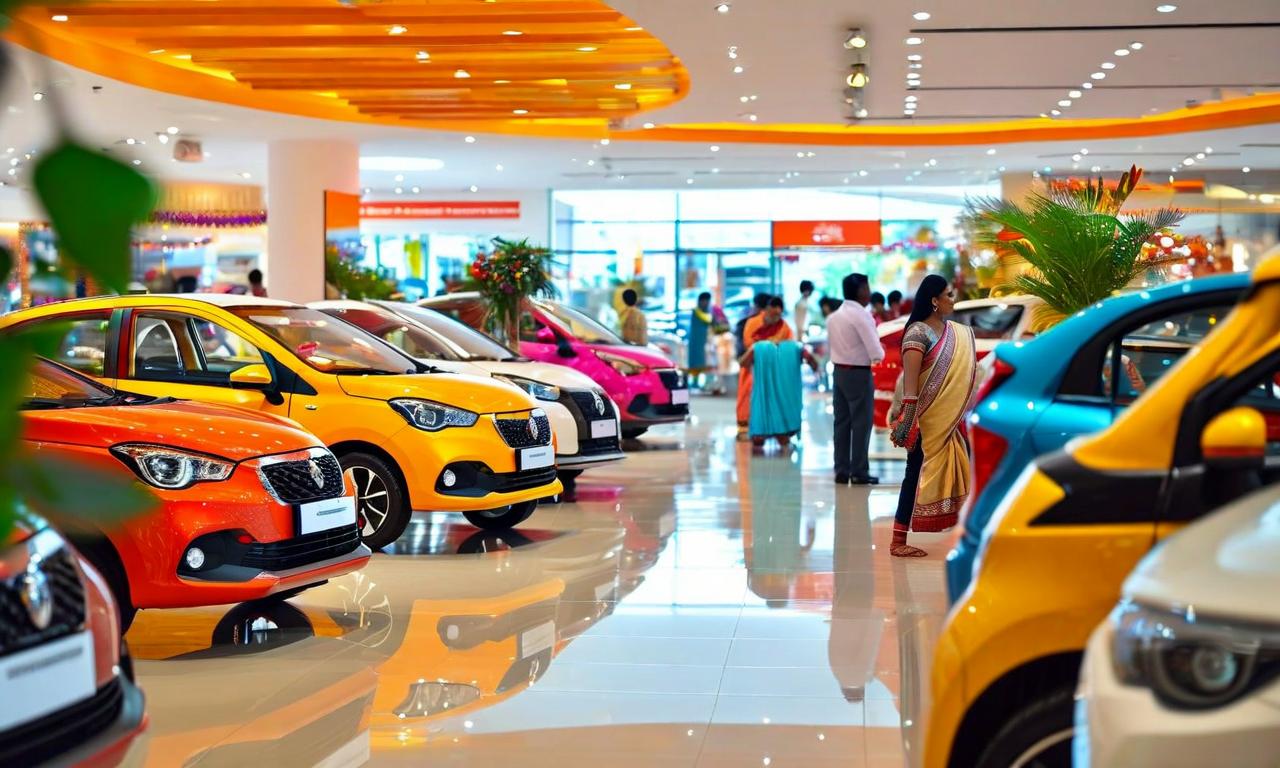
The onset of Navratri, a festival synonymous with renewal and celebration in India, has historically been a catalyst for increased consumer spending, particularly in the automotive sector. This year, Hyundai, one of India’s leading automobile manufacturers, has set a new benchmark by registering an impressive 11,000 vehicle sales on the very first day of Navratri. Such a remarkable figure stands out, especially considering the broader economic landscape influenced by the recent implementation of GST 2.0. This article dives deep into the factors underpinning this surge, the impact of GST 2.0, consumer sentiment, and what this means for Hyundai’s future strategy.
The Significance of Navratri for Automotive Sales
Navratri, spanning nine nights, is not just a spiritual occasion but also a prime time for consumers to indulge in new purchases, including vehicles. Traditionally, automakers launch attractive discounts and festive offers during this period, prompting significant sales spikes. It’s a period marked by positive consumer sentiment, auspicious timings, and a cultural inclination towards new beginnings.
Hyundai’s decision to capitalize on this auspicious occasion by achieving 11,000 units sold on day one underscores the brand’s robust market positioning and effective marketing strategies. This demonstrates that festivals remain a powerful lever for automotive sales, even amidst economic uncertainties and regulatory adjustments.
Understanding the Impact of GST 2.0 on the Automotive Market
The recent transition to GST 2.0, a revised Goods and Services Tax structure, has sent ripples through various sectors, including automobiles. Launched with the aim of simplifying tax slabs and promoting a more unified market, GST 2.0 has had mixed effects on consumer and dealer behavior.
According to NDTV reports, there is an ongoing debate about how GST 2.0 has affected car sales. While some analysts suggest that the reduction in multiple tax slabs has increased transparency and consumer confidence, others argue that certain amendments have temporarily dampened enthusiasm due to adjustments in pricing or perceived economic volatility.
Despite these concerns, Hyundai’s day-one sales indicate a different story—one of resilience and consumer optimism. It suggests that the festive spirit combined with strategic incentives offered by Hyundai might have countered any negative effects of the GST changes. Additionally, manufacturers and dealers possibly adjusted their pricing strategies proactively to mitigate GST-related price variations, encouraging consumers to make swift purchasing decisions.
Key Factors Driving Hyundai’s Exceptional Day-One Sales
Several factors contributed to Hyundai’s impressive sales figure on Navratri’s first day:
- Aggressive Marketing and Attractive Offers: Hyundai launched limited-time festival discounts, trade-in offers, and easy financing options to attract buyers.
- Brand Loyalty and Consumer Trust: Hyundai’s long-standing reputation for reliability and value-for-money continues to resonate with Indian consumers.
- Product Portfolio Optimization: The availability of popular models such as the Creta, Verna, and i20, which appeal across demographics, played a crucial role.
- Strategic Dealer Networks: Enhanced dealership experiences and readiness to facilitate quick deliveries increased purchasing confidence.
- Economic Sentiment and Purchase Readiness: Despite the GST adjustments, consumer sentiment during Navratri remained optimistic, driven by positive economic indicators and festival cheer.
Consumer Sentiment and Market Dynamics During Navratri
The Indian consumer’s behavior during Navratri is highly influenced by astrological and cultural factors, often favoring auspicious purchases. The confluence of these traditions with modern marketing strategies led to a surge in demand, especially for vehicles that symbolize prosperity and new beginnings.
Furthermore, the sense of economic stability, coupled with increased disposable income during the festive season, prompted many consumers to decide on vehicle purchases, despite the broader uncertainties caused by GST 2.0 adjustments. Hyundai’s strategic focus on offering hassle-free financing, extended warranties, and after-sales service bolstered consumer confidence.
The Future Outlook: Can Such Sales Trends Continue?
Hyundai’s first-day success during Navratri raises questions about the sustainability of such sales volumes in the coming months:
– **Market Recovery Post-GST Adjustments:** As consumers get acclimated to GST 2.0, it is expected that the initial confusion and price adjustments will stabilize, paving the way for consistent sales growth.
– **Festive Season Sales Expansion:** With upcoming festivals like Diwali, automakers are optimistic about replicating or surpassing the current surge.
– **Product Innovation and Electrification:** Hyundai’s investments in electric vehicles and newer models are poised to attract eco-conscious consumers, potentially boosting sales beyond traditional parameters.
– **Economic Indicators and Consumer Confidence:** Factors such as employment rates, inflation, and rural consumption will significantly influence sales trajectories.
Concluding Remarks: Hyundai’s Resilient Market Position
The impressive feat of Hyundai selling 11,000 units on day one of Navratri—despite the evolving GST landscape—demonstrates the brand’s resilient market positioning and the effectiveness of targeted marketing strategies during festive seasons. It also underscores that consumer confidence remains high when brands align their offerings with cultural sentiments and economic realities.
As India continues to harmonize regulatory reforms like GST 2.0 with consumer needs, automakers like Hyundai are expected to leverage festive periods to accelerate sales, innovate product lines, and strengthen customer relationships. This event sets a precedent for other brands to strategize effectively during upcoming festivals.
Final Thoughts
The automotive sector’s response to festive opportunities during a period of regulatory change highlights the adaptive capabilities of manufacturers and dealers alike. Hyundai’s stellar performance during Navratri exemplifies how understanding consumer sentiments, coupled with strategic incentives and a strong brand presence, can lead to remarkable sales success even amid economic adjustments.
For more updated news please keep visiting Hourly Prime News.