

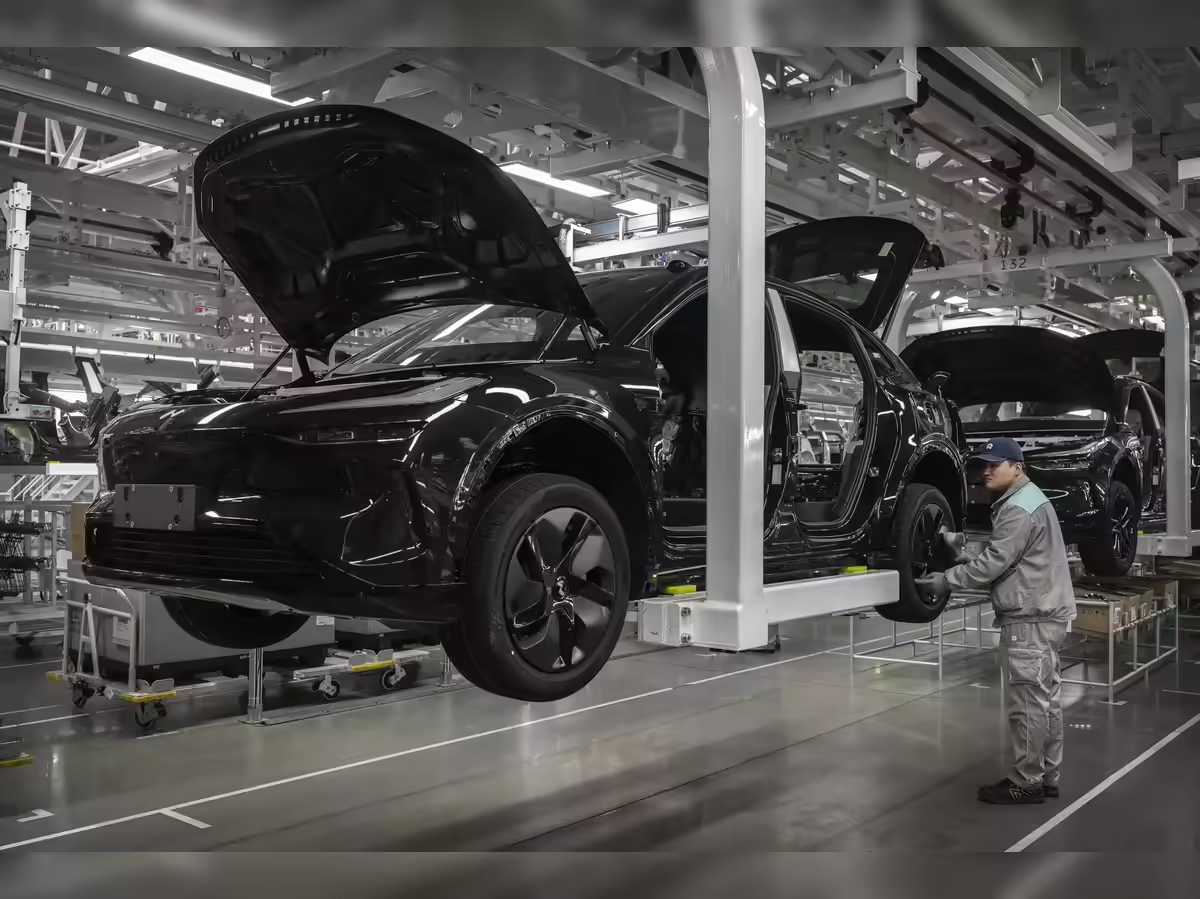
In recent years, the electric vehicle (EV) industry has experienced a rapid transformation worldwide, driven by technological advancements, environmental concerns, and shifting consumer preferences. Among the key players shaping this revolution, China has emerged as a dominant force, fueling intense competition within the EV market. This fierce rivalry among Chinese EV manufacturers is not only reshaping global supply chains but also presenting significant challenges to countries like Thailand that aim to bolster their local EV production and establish themselves as regional hubs for electric mobility. In this blog, we delve into how China’s accelerating EV competition is testing Thailand’s ambitions, exploring the underlying dynamics, strategic responses, and future prospects of the region’s EV landscape.
The Rise of China’s EV Industry: An Unprecedented Competition
China’s EV sector has witnessed explosive growth over the past decade, propelled by robust governmental policies, massive investments, and advancements in battery technology. Leading Chinese automakers, such as BYD, NIO, XPeng, and Li Auto, have rapidly expanded their product lines, offering a diverse range of electric vehicles tailored to different market segments. This aggressive expansion has created a highly competitive environment where innovation and cost competitiveness are paramount.
Key factors fueling China’s EV rivalry include:
- Significant subsidies and incentives from the Chinese government to promote EV adoption
- Massive investments in research and development, especially in battery technology and autonomous driving
- Large-scale production capacities enabling economies of scale
- Strong domestic demand coupled with strategic export ambitions
Impacts on Thailand’s EV Production Ambitions
Thailand has set ambitious goals to become a regional EV manufacturing hub, aiming to attract both foreign and local automakers to establish production facilities. The country’s strategic location, skilled labor, and government incentives are intended to position it as a key player in Southeast Asia’s EV supply chain.
However, the relentless growth of China’s EV industry presents several challenges to Thailand’s ambitions, which can be summarized as follows:
Intense Price Competition
Chinese EV manufacturers are known for their aggressive pricing strategies, often offering vehicles at significantly lower prices. This advantage stems from their massive scale of production and technological efficiencies. As these cost-effective models flood into neighboring markets, Thai-made EVs face stiff price competition, risking reduced market share and margins.
Technological Race and Innovation
Chinese companies not only compete on price but are also pushing the envelope in terms of battery range, autonomous features, and smart connectivity. Their rapid innovation cycles threaten to overshadow the slower pace of technological development among traditional Thai automakers and startups alike.
Market Penetration and Consumer Preferences
Chinese brands have gained substantial popularity within the regional markets, appealing to consumers seeking affordable and reliable electric vehicles. This trend complicates Thailand’s efforts to establish a domestic EV identity, as local brands struggle to compete against well-established Chinese competitors both in terms of pricing and technological appeal.
Thailand’s Strategic Response to China’s EV Rivalry
In response to the mounting competition, Thailand’s government and industry stakeholders are implementing several strategies designed to safeguard and advance their local EV initiatives:
Enhancing Local Incentives and Tax Breaks
Thailand is revising its policies to offer more attractive tax incentives, subsidies, and reduced import duties for local EV manufacturers. This approach aims to create a more favorable environment for domestic production and encourage local consumer adoption.
Fostering R&D and Innovation Hubs
Investments are being channelled into research centers and innovation clusters focused on battery technology, plug-in hybrid systems, and autonomous driving. The goal is to build proprietary intellectual property and technological independence, reducing reliance on imported Chinese components.
Developing Strategic Partnerships
Thai automakers are increasingly seeking collaboration with global EV giants, leveraging joint ventures, technology licensing, and supply chain synergies. These alliances aim to accelerate development timelines and improve product competitiveness.
Focusing on Niche Markets and Sustainability
- Specializing in spatially tailored EV models suited for Southeast Asian terrains and consumer needs
- Promoting eco-friendly manufacturing practices that align with global sustainability standards
- Positioning Thailand as a regional center for EV component manufacturing, including batteries and charging infrastructure
The Future Outlook: Opportunities Amidst Challenges
While Chinese EV rivalry undeniably pose significant hurdles, they also create opportunities for Thailand. This fierce competition is accelerating regional innovation, investments, and infrastructure development, which can ultimately benefit the local industry.
Thailand’s potential advantages include:
- Strategic location to serve as a gateway to Southeast Asian markets
- Growing expertise in automotive manufacturing and supply chain management
- Government commitment to EV-friendly policies and green energy initiatives
- Opportunities for domestic startups to develop niche EV solutions, fostering innovation ecosystem
In addition, technological collaboration and knowledge transfer from Chinese and international partners can help Thai companies leapfrog some early-stage development hurdles.
Conclusion: Navigating a Complex Competition Landscape
The ongoing rivalry among Chinese EV manufacturers is reshaping the regional and global automotive landscape. For Thailand, this competition presents both challenges and opportunities. To succeed, Thailand must capitalize on its strategic strengths, foster innovation, and implement forward-looking policies that encourage local growth amidst the influx of Chinese EVs and technologies.
As the EV industry continues to evolve rapidly, adaptability and collaboration will be key determinants of Thailand’s future success. The country’s ability to establish a resilient and innovative EV ecosystem, capable of competing on price, technology, and sustainability, will determine whether it can truly realize its vision of becoming a prominent regional EV hub.
Ultimately, the dynamic interplay between China’s aggressive EV expansion and Thailand’s strategic responses will significantly influence the regional mobility landscape in the coming years. Stakeholders across the supply chain must stay vigilant, adaptable, and innovative to navigate this competitive environment successfully.
For further updates and insights into the evolving EV market and regional strategies, stay tuned to our blog and industry reports.
For more updated news please keep visiting Hourly Prime News.