

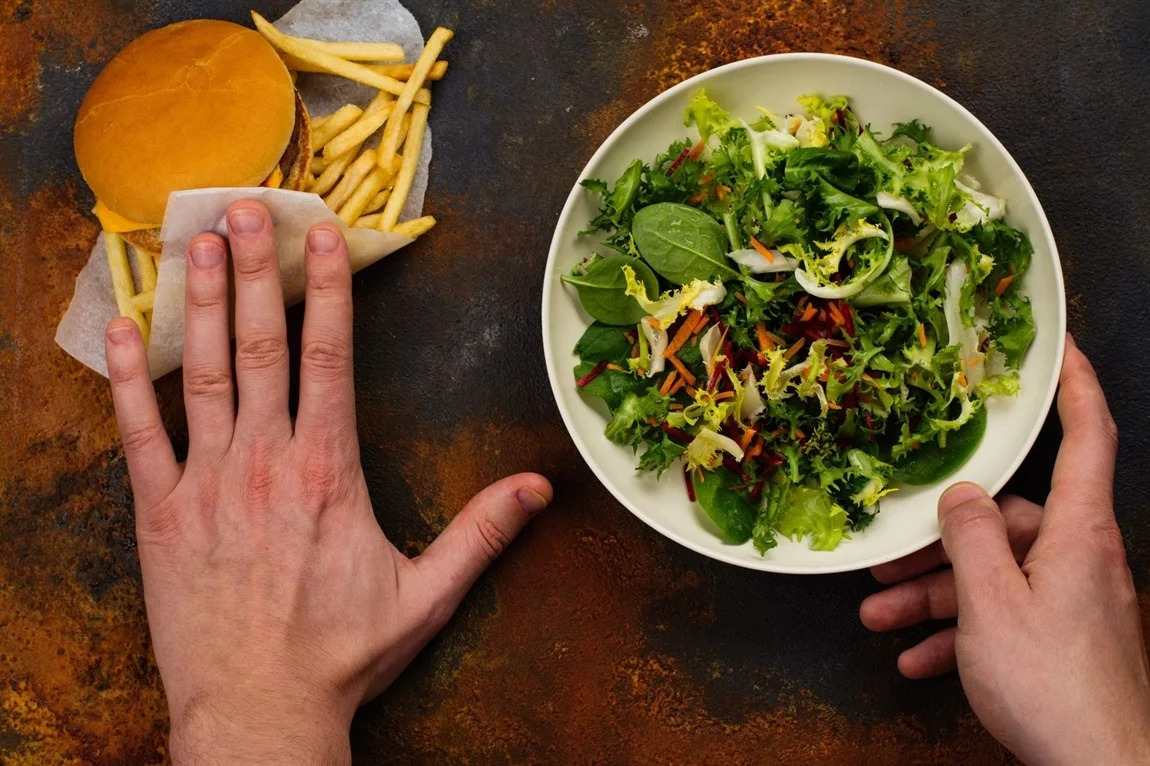
Managing diabetes and weight effectively has become a paramount concern for many individuals worldwide. With advancements in medical treatments, particularly the development of GLP-1 receptor agonists like Ozempic and Mounjaro, patients now have powerful tools to regulate blood sugar levels and curb appetite. However, emerging research and expert insights suggest that the way we eat—our eating styles and habits—can significantly influence the effectiveness of these medications. Understanding this interplay is essential for optimizing treatment outcomes and achieving sustainable health goals.
Understanding GLP-1 and Its Role in Diabetes & Weight Management
Glucagon-like peptide-1 (GLP-1) is a naturally occurring hormone in our bodies that plays a critical role in glucose metabolism and appetite regulation. GLP-1 enhances insulin secretion, suppresses glucagon release, slows gastric emptying, and promotes satiety. These effects make GLP-1 a prime target for pharmaceutical interventions aimed at controlling blood glucose levels and reducing weight in people with type 2 diabetes.
GLP-1 receptor agonists, such as Ozempic and Mounjaro, mimic the actions of natural GLP-1 to help lower blood sugar and decrease appetite. While these drugs have shown remarkable efficacy, their success is not solely dependent on the medication itself. Several factors, notably eating styles and emotional eating patterns, can influence how well these drugs function in real-world settings.
The Impact of Eating Style on Drug Effectiveness
1. The Role of Emotional Eating
Many individuals turn to food for comfort during stressful or emotional times. Studies highlighted by emphasize reveal that emotional eaters often find it difficult to lose weight, even when on potent medications like Ozempic. The tendency to eat to soothe emotions reduces the effectiveness of these drugs because it counteracts their appetite-suppressing properties.
Moreover, research from Times Now highlights that emotional regulation during eating significantly impacts weight loss success when using medications like Mounjaro. Those who eat primarily as an emotional response rather than hunger may have limited benefits from pharmacotherapy unless they address underlying emotional triggers.
2. Eating Style and Meal Patterns
Beyond emotional eating, the overall pattern of eating—such as frequency, portion sizes, and food choices—can modulate how effective GLP-1 drugs are. For instance, irregular meal times or excessively large meals can disrupt blood sugar regulation, making it harder for medications to exert their full benefits. Conversely, consistent meal patterns with balanced macronutrients enhance the drug effects and support overall metabolic health.
Research detailed in News-Medical emphasizes that tailored eating strategies, such as smaller, more frequent meals and choosing nutrient-dense foods, can significantly enhance medication effectiveness.
Behavioral Aspects and Eating Habits
3. Regulatory Challenges of Emotional and Stress-Related Eating
Research from The Sun points out that dieters who struggle with emotional or stress eating are at a higher risk of weight regain once they stop pharmacotherapy. This points to the importance of integrating psychological support and behavioral therapy alongside medication use.
4. The Influence of Gut Behavior and Eating to “Feel”
Recent insights from Frontiers indicates that eating to regulate emotions or to “feel” can lead to a less predictable response to medications, affecting long-term weight loss outcomes.
Strategies to Improve Outcomes Considering Eating Style
- Mindful Eating: Practicing mindfulness can help individuals recognize true hunger versus emotional triggers, reducing emotional overeating that undermines medication effects.
- Consistent Meal Patterns: Regular, balanced meals help stabilize blood glucose levels and improve drug efficacy.
- Behavioral Therapy: Incorporating psychological support can address emotional eating and stress-related eating patterns, thereby enhancing medication outcomes.
- Healthy Food Choices: Emphasizing nutrient-dense, whole foods can support metabolic health and improve the body’s response to GLP-1 therapies.
Why Understanding Your Eating Style Matters
While pharmacological treatments like GLP-1 receptor agonists are powerful, their success heavily depends on individual behaviors and habits. Ignoring these factors may lead to suboptimal results, such as weight regain or incomplete blood sugar control. Personalized approaches that include behavioral modifications, emotional regulation, and consistent eating patterns can maximize the benefits of these medications.
Furthermore, awareness about emotional and stress-induced eating can help patients and clinicians devise comprehensive treatment plans—integrating medication with nutritional counseling and psychological support—leading to better long-term health outcomes.
Conclusion
In summary, your eating style plays a crucial role in how well GLP-1 medications control diabetes and support weight loss. Recognizing the influence of emotional eating, meal patterns, and behavioral habits allows for more tailored and effective interventions. Combining pharmacotherapy with mindful eating and behavioral strategies fosters sustainable health improvements and enhances quality of life for individuals battling obesity and type 2 diabetes.
For more updated news please keep visiting Hourly Prime News.