

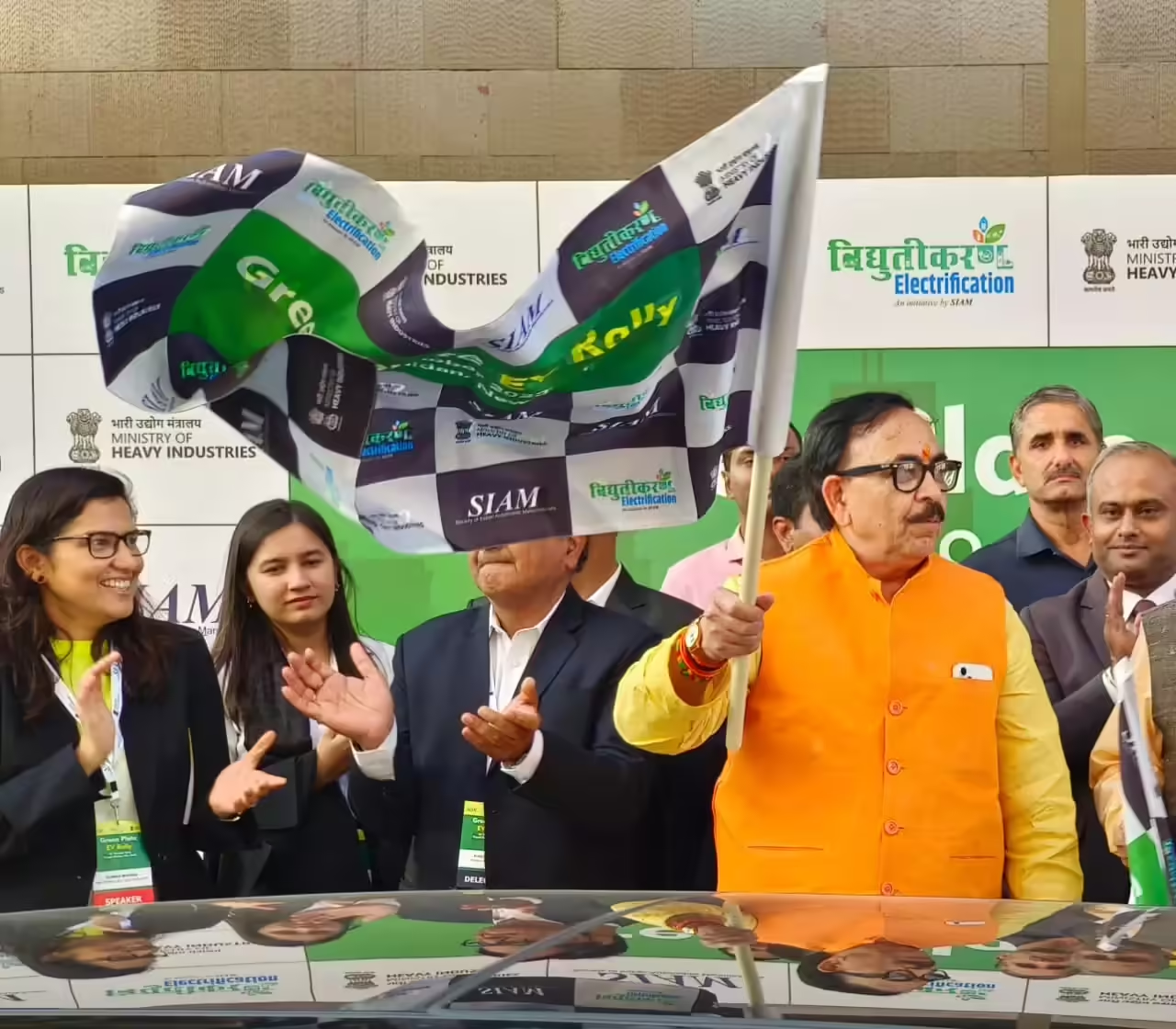
SIAM Hosts Third Green Plate EV Rally to Boost Electric Vehicle Adoption in New Delhi In a significant stride towards sustainable transportation, the Society of Indian Automobile Manufacturers (SIAM) recently organized its third Green Plate Electric Vehicle (EV) Rally in New Delhi. This event aims to accelerate the adoption of electric vehicles across India, highlighting the nation’s commitment to reducing carbon emissions and curbing air pollution. The rally brought together industry leaders, policymakers, enthusiasts, and environmental advocates, all unified under the goal of promoting clean, green mobility solutions.
The Significance of the Green Plate EV Rally The Green Plate EV Rally is more than just a motorsport event; it represents a broader initiative to foster EV awareness, infrastructure development, and policy support. With increasing concerns over climate change and urban air quality deterioration, the rally serves as an effective platform to showcase the latest technological advancements in electric mobility and encourage consumers to consider cleaner alternatives. SIAM’s sustained efforts exemplify a strategic move to align India’s automotive industry with global sustainability goals. By organizing this rally for the third consecutive year, SIAM underscores the importance of collaborative efforts among manufacturers, government agencies, and the public to shift towards electric vehicles.
Highlights from the Third Green Plate EV Rally Innovative Electric Vehicles on Display The rally showcased a diverse range of electric vehicles, from compact city EVs to high-performance e-sports cars. Leading automakers presented their latest models, emphasizing features like longer battery life, faster charging capabilities, and enhanced safety measures. The event provided a comprehensive overview of India’s EV manufacturing landscape, reaffirming the country’s potential to develop world-class electric mobility solutions. Participation and Community Engagement Hundreds of participants, including EV owners, prospective buyers, and industry stakeholders, took part in the rally.
Test drives and live demonstrations allowed attendees to experience the benefits of EVs firsthand. Local communities also engaged through educational workshops aimed at dispelling myths surrounding electric vehicles and clarifying misconceptions related to range anxiety and charging infrastructure. Focus on Infrastructure Development An integral part of the rally was emphasizing the importance of charging infrastructure. Discussions revolved around expanding fast-charging networks and establishing convenient charging stations in urban and rural areas. Public-private partnerships are being encouraged to accelerate infrastructure deployment, making EV adoption more accessible and hassle-free for consumers. Policy Support and Future Roadmap Government officials and industry leaders jointly reiterated their commitment to fostering a conducive environment for EV growth.
Incentive schemes, subsidized charging stations, and streamlined registration processes are part of the strategic framework to promote adoption at scale. Looking ahead, the focus remains on creating a sustainable ecosystem encompassing manufacturing, charging infrastructure, and consumer awareness. Policies are being crafted to ensure that electric vehicles become the norm rather than an exception, with ambitious targets set for the next decade. Impact on Electric Vehicle Adoption in India Increased Awareness: The rally helps demystify EV technology and showcases its advantages, leading to greater consumer confidence. Market Growth: As demand rises, automakers are expected to ramp up production, leading to more choices and competitive pricing for consumers. Environmental Benefits: Widespread EV adoption can significantly reduce vehicular emissions, improving air quality and combating climate change.
Economic Opportunities: The EV sector is poised to create numerous jobs, boost local manufacturing, and attract investments. The success of this third rally signals a promising trend towards green mobility in India. With consistent efforts from SIAM and supportive policy frameworks, India is on track to emerge as a global leader in electric mobility, reducing its carbon footprint and fostering a cleaner environment for future generations. Challenges and the Way Forward Despite positive momentum, several hurdles remain: Charging Infrastructure: Expanding and upgrading charging networks across urban and rural regions is essential. Cost of EVs: Achieving affordability for the average consumer remains a challenge, necessitating subsidies and innovative financing models. Consumer Perception: Overcoming range anxiety and building trust in electric technology requires continuous education and awareness campaigns. Supply Chain and Battery Technology: Scaling up local manufacturing and advancing battery technology are crucial for sustainability and cost reduction.
The future of electric mobility relies on coordinated efforts among government bodies, automobile manufacturers, technology providers, and consumers. Initiatives like SIAM’s Green Plate EV Rally play a pivotal role in catalyzing this transformation, making it more tangible and accessible. Conclusion The third Green Plate EV Rally organized by SIAM in New Delhi marks a vital milestone in India’s journey towards sustainable transportation. By showcasing the latest innovations, fostering community engagement, and emphasizing infrastructure development, the event demonstrates the evolving landscape of electric mobility in India. With continued policy support and industry collaboration, India can accelerate its EV adoption rates, contributing significantly to environmental conservation and economic growth. As the nation moves forward, initiatives like these will undoubtedly inspire a cleaner, greener future for India and set an example for sustainable transport globally. For more updated news please keep visiting Hourly Prime News.