

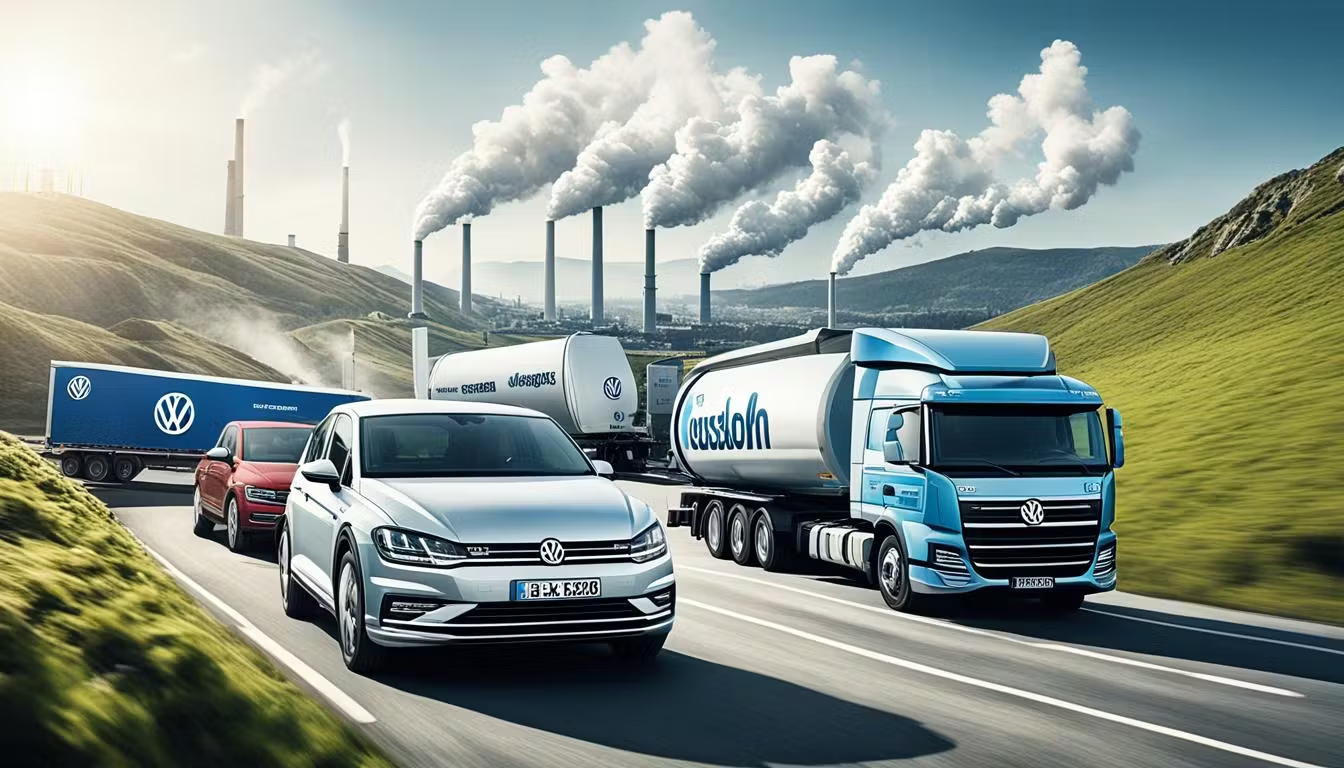
In recent years, the automotive industry has undergone a paradigm shift, with many traditional car manufacturers rushing aggressively into the electric vehicle (EV) market. However, a recent warning from a trusted whistleblower raises serious concerns about whether these companies are effectively learning from past mistakes, particularly those associated with the infamous Dieselgate scandal. This blog delves into the warnings issued, the possible repetition of past errors in the electric transition, and what implications this has for consumers, regulators, and the environment.
Background: The Dieselgate Scandal and Its Lessons
To understand the gravity of the current warnings, it’s vital to revisit the Dieselgate scandal that shook the automotive world in 2015. Volkswagen (VW), along with some other manufacturers like Audi and Porsche, was found to have manipulated emissions tests by installing “defeat devices” in their diesel vehicles. These devices could detect when emissions were being tested and alter engine performance to meet regulatory standards, while in real-world driving, emissions exceeded legal limits by significant margins.
The scandal not only tarnished the reputation of VW but also shed light on systemic issues within the automotive industry, including regulatory oversight, corporate greed, and the technical challenges of balancing vehicle performance with environmental compliance. The fallout led to massive financial penalties, lawsuits, and a reassessment of testing standards worldwide.
Most importantly, Dieselgate served as a cautionary tale illustrating the risks of prioritizing short-term gains over long-term integrity, transparency, and compliance. It also underscored the importance of robust, transparent testing regimes and ethical corporate conduct.
The Transition to Electric Vehicles: Are We Repeating Past Mistakes?
Today, as automakers push aggressively to electrify their fleets, similar concerns have emerged. A recent article from the Clean Energy Wire highlights concerns that, despite promising advancements, automakers and regulators might be repeating some of the same pitfalls associated with Dieselgate in their rush to push out electric vehicles.
Key Concerns Raised by the Whistleblower
The whistleblower, a former insider with substantial knowledge of industry practices, warns that several risks are emerging as automakers accelerate their EV programs:
- **Regulatory Oversight Gaps:** Just as emissions testing was manipulated during Dieselgate, there is a concern that EV performance metrics, range claims, and battery life may be overpromised or obscured to meet consumer expectations and regulatory targets.
- **Lack of Transparency in Battery Supply Chains:** The source and environmental impact of raw materials like lithium, cobalt, and nickel are critical issues. The whistleblower notes that without transparent supply chains, there’s a risk of repeating environmental damages and unethical practices.
- **Technical Shortcomings and Safety Risks:** In the rush to produce EVs at scale, some manufacturers might cut corners on safety testing, leading to potential hazards related to battery fires, recalls, or subpar vehicle longevity.
- **Greenwashing and Misleading Claims:** Promoting EVs as completely green or zero-emission vehicles, without considering lifecycle emissions, manufacturing impacts, and energy sources used in charging, could undermine environmental goals and erode consumer trust.
Historical Parallels and Lessons for the Future
The repetition of mistakes from the Dieselgate era in the realm of electric vehicles is a grave concern. Both scenarios are characterized by rapid technological advancement combined with insufficient oversight, transparency, and accountability.
Manufacturers’ Incentives and Market Pressures
Automakers are under immense pressure to meet stringent emissions targets and gain competitive advantages in a rapidly evolving market. This environment encourages aggressive marketing and sometimes, questionable practices to accelerate sales and market share.
In the case of Dieselgate, the incentive to produce vehicles that appeared compliant while secretly exceeding standards compromised ethical principles and regulatory integrity. Similar pressures might be driving current practices in EV development, where manufacturers could prioritize **cost reduction, market share**, and **advertising claims** over rigorous testing and transparent disclosure.
The Role of Regulatory Bodies
Effective regulation and independent testing are essential to prevent the recurrence of scandal. However, regulatory agencies historically delayed responding to Dieselgate revelations, and some critics argue that oversight in the electric vehicle era may be equally lax or under-resourced.
If regulators do not adapt swiftly to monitor evolving technolog,y including battery performance, charging infrastructure, and supply chain ethics, the risk of industry misconduct or misrepresentation remains high.
What Can Be Done to Mitigate Risks?
Based on lessons learned and current warnings, several measures can help to prevent repeating history:
- Enhanced Transparency: Automakers should disclose detailed information on battery sourcing, manufacturing processes, and lifecycle emissions. Third-party audits can validate claims about performance and environmental impact.
- Strengthened Regulatory Frameworks: Regulators need to develop rigorous testing protocols, applicable to EVs just as they did for diesel vehicles, with independent verification and ongoing compliance checks.
- Consumer Education and Awareness: Consumers should be informed about the realities and limitations of EVs, including the importance of lifecycle analysis and considering environmental and social impacts.
- Technological Innovation and Safety: Continuous improvement in battery technology should prioritize safety, durability, and recyclability, avoiding shortcuts that could compromise reliability.
- Corporate Accountability and Ethical Practices: Companies must foster a culture of transparency, integrity, and environmental responsibility, resisting incentives to cut corners for quick profits.
Conclusion: Vigilance is Key in the Electric Future
The transition from diesel to electric vehicles promises significant environmental benefits, but it is not without its risks. The recent warning from the whistleblower serves as a wake-up call for all stakeholders—automakers, regulators, and consumers—to ensure that the mistakes of the past are not memorialized in new forms.
While the electric revolution has the potential to drastically reduce greenhouse gas emissions and improve air quality, this success hinges on responsible practices, robust oversight, and unwavering commitment to transparency. Only then can we truly harness the benefits of EVs without repeating the pitfalls that led to Dieselgate’s fallout.
In summary, the industry must embrace ethical innovation, rigorous regulation, and consumer trust to forge a sustainable and scandal-free future in automotive mobility.
For more updated news please keep visiting Hourly Prime News.