

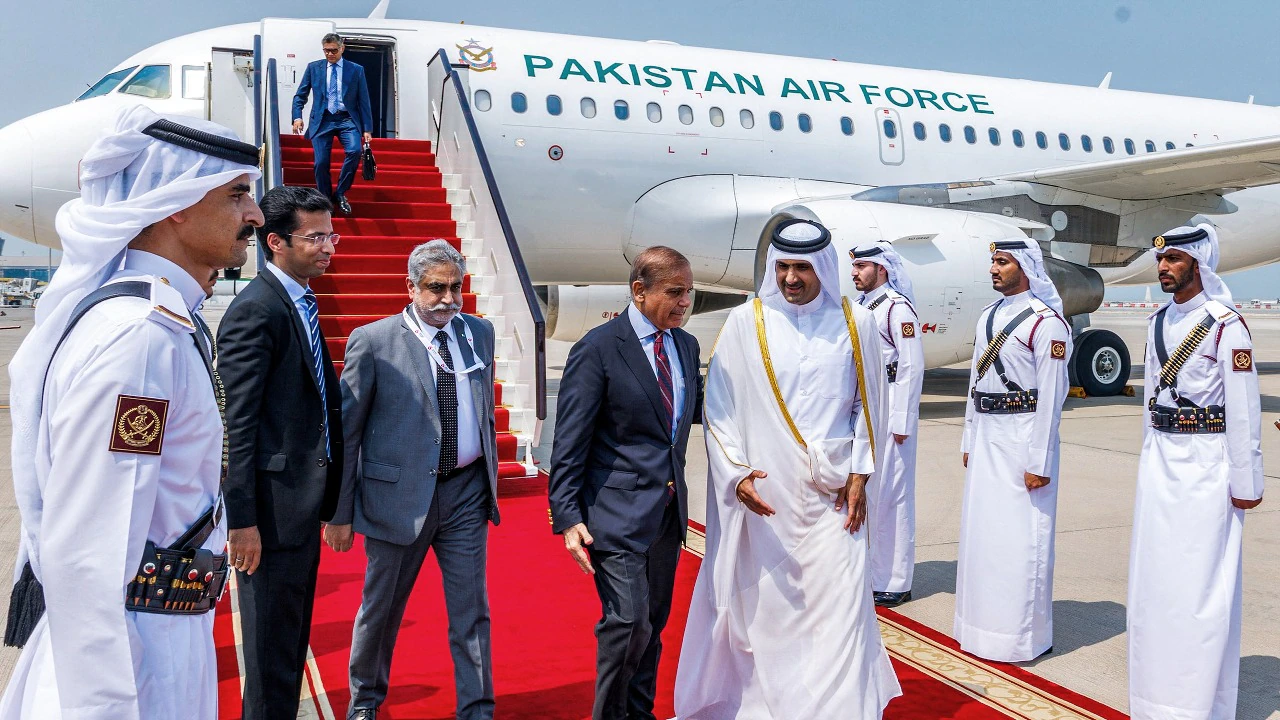
In recent months, the geopolitical landscape in the Middle East and surrounding regions has been witnessing a significant shift towards increased cooperation among Muslim-majority countries. This movement towards regional solidarity is epitomized by the emerging discussions about forming a unified military alliance akin to NATO, often referred to as the “Arab-Islamic NATO.” The recent meeting attended by Pakistan and Turkey has been a pivotal event that has accelerated this initiative, signaling a possible new era of regional defense cooperation that could reshape regional and global power dynamics.
The Motivation Behind the Arab-Islamic NATO Idea
Several factors have contributed to the push for a collective Islamic defense mechanism:
- Regional security concerns: Ongoing conflicts, insurgencies, and political instability in the Middle East and North Africa (MENA) region have heightened the need for coordinated defense strategies among Muslim countries.
- Shared ideological and strategic interests: Countries like Turkey, Pakistan, and others seek to promote Islamic solidarity while safeguarding their national sovereignty from external threats, including terrorism and foreign influence.
- Countering Western dominance: Some Muslim nations are increasingly wary of Western military alliances and interventions, prompting them to explore indigenous or regional security structures.
- Influence of regional conflicts: The escalation of hostilities involving Israel, Iran, Qatar, and other regional actors has underscored the need for a collective response mechanism.
The Pakistan-Turkey Meeting: A Turning Point
The recent summit between Pakistan and Turkey marked a crucial milestone in the pursuit of this ambitious initiative. Both nations have historically enjoyed close diplomatic, military, and cultural ties. During their meeting, they not only reaffirmed their commitment to regional stability but also actively discussed the formation of a NATO-like alliance that would include other Muslim countries.
This alliance aims to serve several purposes:
- Facilitate joint military exercises and intelligence sharing
- Develop coordinated defense policies
- Create a platform for political consultation on regional security issues
- Promote economic and military cooperation within member states
The idea resonates with a broader aspiration among many Muslim nations to foster stronger strategic alliances that resonate with their cultural and religious identity, moving beyond traditional Western security frameworks.
Global and Regional Reactions
The proposal of an Islamic NATO has garnered mixed reactions across global corridors of power. Regional players such as Iran and Israel have expressed concern about the initiative, fearing it might escalate regional tensions or threaten their strategic interests. Conversely, countries like Qatar and parts of the Gulf Cooperation Council (GCC) are watching developments cautiously, considering whether this alliance could serve as a counterbalance to regional adversaries or external influences.
Internationally, major powers like the USA and Russia are observing these developments closely. While some analysts perceive it as an attempt by Muslim countries to enhance their collective defense, others worry about possible polarization or the emergence of new regional blocs that could complicate global diplomacy.
The Concept of “Islamic NATO”: Prospects and Challenges
Potential Benefits
- Enhanced Regional Security: A unified front could deter external threats, especially from regional conflicts, terrorism, or interventionist policies.
- Strategic Autonomy: Member countries would gain more control over their security policies, reducing dependency on Western NATO or bilateral security arrangements.
- Economic Collaboration: Military cooperation often leads to joint arms procurement, infrastructure development, and economic investments, bolstering economies of member states.
- Symbolic Solidarity: Establishing a collective Islamic defense identity might bolster morale and foster a sense of shared purpose.
Major Challenges and Concerns
- Political Divergences: Countries within the alliance have diverse political regimes and foreign policy objectives, which could hinder consensus-building.
- Regional Rivalries: Historic conflicts, such as the Pakistan-India rivalry or tensions between Iran and Sunni-majority nations, pose significant obstacles.
- External Influence: External powers may attempt to influence or destabilize the alliance, either directly or indirectly.
- Internal Stability: Internal political stability within member states is crucial for the viability of such an alliance, and unrest or coups could threaten unity.
- Military Capabilities and Unity: Harmonizing military standards, communication protocols, and operational doctrines is a complex, long-term process.
The Broader Geopolitical Context
The push for a regional Islamic defense alliance takes place amidst a shifting global order. The United States remains a key player, traditionally involved in security arrangements in the region, especially through NATO and bilateral agreements. Meanwhile, Russia’s interests in the Middle East, notably in Syria and Iran, add further complexity. China’s growing influence through economic investments, especially via the Belt and Road Initiative, also impacts regional security calculations.
In this context, the idea of forming a collective Islamic NATO is both a strategic move and a symbolic assertion of regional agency. It aims to secure the interests of Muslim countries in an environment where external powers often pursue conflicting agendas.
Implications for the Future
If successfully established, this alliance could:
- Redefine regional power dynamics, challenging existing Western-dominated security architectures.
- Encourage the development of indigenous defense industries and technology sharing among member states.
- Foster diplomatic channels that can resolve or manage regional conflicts more effectively.
- Potentially influence global security policies, inspiring similar regional initiatives in other parts of the world.
However, the path towards a unified Islamic military alliance remains fraught with political, military, and diplomatic hurdles. Success depends on the willingness of diverse nations to overcome their differences and commit to mutual defense and cooperation.
Conclusion: A Landmark Development or a Long-term Vision?
The momentum gained from the recent Pak-Turkey meeting signifies a promising step towards realizing the concept of an Arab-Islamic NATO. While it is still in its nascent stages, the initiative reflects a broader aspiration for regional self-reliance, collective security, and Islamic solidarity. Whether this will evolve into a robust military alliance or remain a symbolic gesture depends on ongoing diplomatic efforts, regional stability, and the geopolitical landscape.
What is certain is that the world is watching these developments closely, as they could herald a significant shift in regional and global security paradigms.
For more updated news please keep visiting Hourly Prime News.