

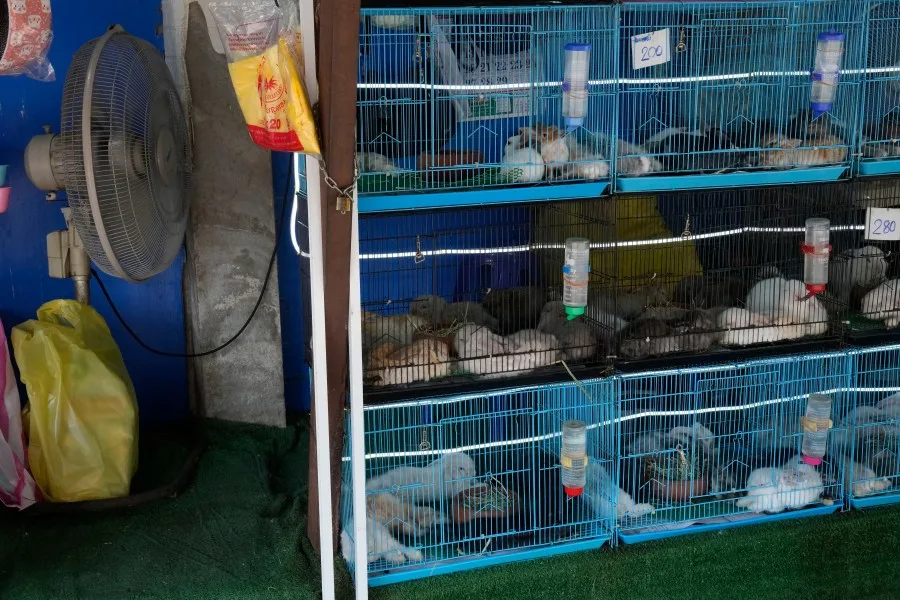
In a remarkable move that sets a precedent for animal rights activism across the nation, West Hollywood has officially adopted a groundbreaking ban on the retail sale of live animals. This bold legislative step aims to curb the commercial trade in live animals within city limits, reflecting a growing recognition of the ethical responsibilities humans have toward animal welfare. The decision, hailed by animal rights advocates and environmental activists alike, signifies a profound shift in how cities approach the treatment and protection of animals.
The Rationale Behind the Ban
Addressing Cruelty and Overpopulation
Opponents of live animal sales often cite concerns about the cruelty inflicted during the transportation and sale of animals in pet stores and markets. Many animals sold live are subjected to stressful, inhumane conditions, which can cause injuries, illness, and psychological trauma. By banning the retail sale of live animals, West Hollywood aims to eliminate the demand that fuels such practices, thereby reducing animal suffering on multiple fronts.
Furthermore, the proliferation of unwanted animals in shelters is a significant issue. Many animals end up abandoned or euthanized due to overpopulation. The ban seeks to shift consumer behavior towards adopting from shelters rather than purchasing animals from commercial sources, thereby alleviating the burden on local animal shelters and promoting responsible pet ownership.
Environmental and Public Health Benefits
The trade in live animals also raises concerns about zoonotic diseases, which can spread from animals to humans. By regulating and eventually prohibiting the sale of animals in retail environments, West Hollywood hopes to minimize health risks associated with unregulated animal trade. Additionally, reducing the demand for live animal sales can lessen environmental impact, such as habitat destruction and resource depletion involved in breeding and transporting animals.
Implementation and Scope of the Legislation
Details of the Ban
The new ordinance, officially enacted after extensive consultations and community engagement, prohibits the retail sale of all live animals—including birds, reptiles, small mammals, and aquatic creatures—within West Hollywood city limits. Retailers are now mandated to cease all sales of animals, though they can still facilitate adoptions from licensed shelters or rescue groups.
The law also emphasizes education and awareness initiatives to inform the public looking to acquire pets about responsible ownership, alternative avenues like rescue adoption, and the importance of humane treatment of animals.
Enforcement and Penalties
City officials have outlined strict enforcement protocols, including regular inspections and penalties for violations. Retailers breaching the ban could face substantial fines, license revocations, or other legal sanctions. The goal is to guarantee that the message of compassion and humane treatment resonates across the community, encouraging businesses to shift toward ethical practices.
Community Response and Support
Animal Welfare Organizations
The legislation has garnered widespread support from animal shelters, rescue organizations, and advocacy groups who see it as a landmark victory in animal rights. Organizations such as the West Hollywood Animal Shelter have advocated for the ban, emphasizing how it aligns with broader goals of reducing pet overpopulation and promoting responsible adopting practices.
Business Community
While many pet stores and retailers initially expressed concerns about potential economic impacts, most have acknowledged the importance of shifting toward humane sales practices. Some establishments are exploring other avenues such as pet grooming, training services, and educational programs to adapt to the new legal landscape.
Broader Implications and Future Outlook
Setting a Legislative Precedent
West Hollywood’s decision is seen as a trailblazing example that could inspire similar legislation in other municipalities. Many cities and states are observing this development closely and are contemplating adopting comparable bans to promote animal welfare on a larger scale.
Anticipated Challenges and Ongoing Advocacy
As with any legislative change, challenges are anticipated, including potential pushback from commercial interests and debates over personal freedoms. Continuous advocacy, public education, and community engagement will be essential to ensure the effective implementation of the ban and to cultivate a culture of compassion and responsibility.
The Path Toward a Kinder Future for Animals
This reform highlights an evolving societal understanding that animals are sentient beings deserving of compassion and respect. By taking legislative action against live animal sales, West Hollywood is actively leading the charge toward a more humane and sustainable future.
This historic decision underscores the importance of community-driven efforts in transforming attitudes and practices related to animal treatment. It demonstrates that legal frameworks can play a key role in driving change, emphasizing the collective responsibility we share in safeguarding animal welfare.
Conclusion
West Hollywood’s ban on the retail sale of live animals marks a significant milestone in animal rights advocacy. It embodies a compassionate approach that recognizes the intrinsic value of all living beings and the need for ethical treatment. As other jurisdictions consider similar measures, the city’s example offers a blueprint for effective, humane policy-making that prioritizes animal welfare while fostering community well-being.
Through legislation, community support, and ongoing advocacy, West Hollywood is shaping a future where animals are protected from exploitation and cruelty, and where responsible pet ownership and adoption become the norm.
For more updated news please keep visiting Hourly Prime News.