

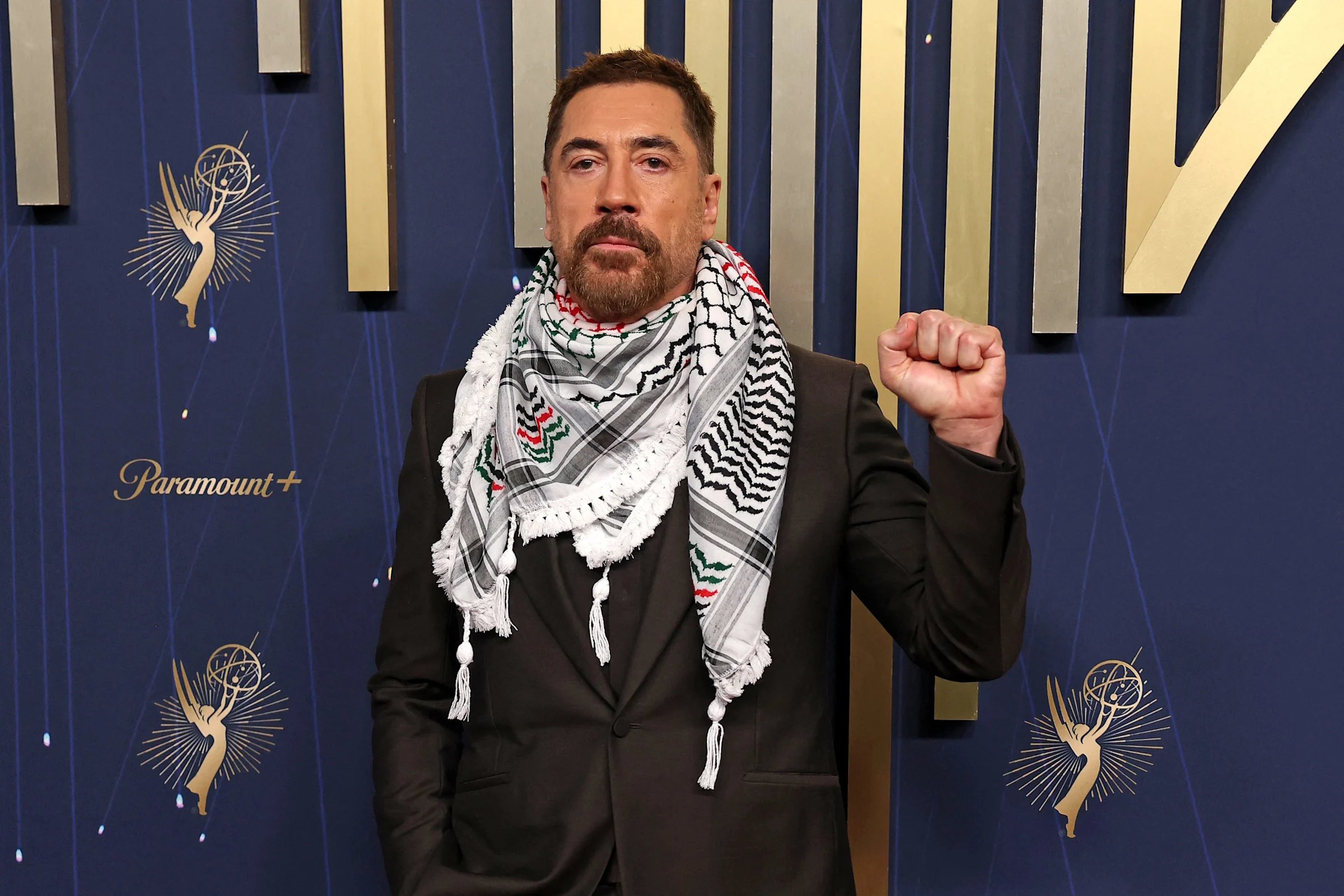
In recent times, public figures and actors have increasingly used their platforms to voice important social and political issues. Javier Bardem, renowned Spanish actor known for his compelling performances and commitment to social justice, has recently made headlines not for his acting but for a principled stance concerning ethical boundaries in the entertainment industry. During the preparations for the 2025 Emmy Awards, Bardem publicly declared his refusal to engage in work or associations with individuals or entities that justify or support violence—specifically, the ongoing conflict and allegations surrounding Gaza.
The Controversy Unfolds: Emmys 2025 and Bardem’s Bold Decision
What Did Javier Bardem Say?
According to reports, including an in-depth article by Emmys 2025: Javier Bardem Refuses To Work With Anyone Who ‘Justifies Genocide In Gaza’, Bardem firmly emphasized his moral stance by stating he would not collaborate with anyone who supports or justifies violence or genocide, particularly the ongoing Gaza conflict.
Why Did Bardem Take This Step?
Javier Bardem’s decision stems from his deeply held convictions about human rights and justice. The actor has long been an advocate for peace and condemns violence that targets innocent civilians. As conflicts rage in the Middle East, Bardem’s stance is particularly poignant—he chose to make a public statement highlighting that in his view, supporting violence or justifications for atrocities is incompatible with his ethical standards. His decision to refuse work with those who condone such actions signifies a powerful act of protest within the realms of Hollywood and the broader entertainment industry.
The Broader Context: The Gaza Conflict and Public Backlash
The Ongoing Gaza Crisis and Its Global Impact
The conflict in Gaza has been a source of intense debate, widespread protests, and political divisions across the globe. Accusations of genocide, human rights violations, and calls for ceasefire have dominated headlines. While many actors, artists, and political figures continue to voice concern and advocate for peace, some are accused of taking politically or morally ambiguous stances. Bardem’s comments and subsequent refusal to work with anyone supporting violence have ignited a debate on artistic freedom versus moral responsibility.
The Reaction from Industry Peers and Public
The response to Bardem’s stance has been polarized. Supporters praise his moral clarity and courage to speak against violence, emphasizing the importance of ethical conduct in the arts. Critics, on the other hand, argue that such a stance may limit artistic collaborations and freedom of expression. Nonetheless, Bardem stands firm, asserting that integrity and conscience should guide public and professional conduct, even if that means sacrificing career opportunities or friendships.
The Significance of Bardem’s Stand
Setting a Precedent for Ethical Responsibility
- Morality Over Career: Javier Bardem’s choice underscores the importance of personal ethics surpassing professional gain. It sends a message to industry colleagues and fans alike that standing up for human rights is paramount.
- Impact on Hollywood: This declaration challenges the entertainment industry to scrutinize its collaborations and endorsements, urging a more conscientious approach toward political and social issues.
- Encouraging Open Dialogue: Bardem’s stance invites conversations about moral obligations, freedom of speech, and the role of artists in shaping societal values.
Implications for Future Industry Practices
As more artists confront political issues, Bardem’s actions might influence future decisions on casting, partnerships, and the kinds of projects pursued. His example could inspire other entertainers to consider the ethical dimensions of their work, potentially leading to a more socially aware and responsible industry landscape.
Conclusion: A Bold Ethical Statement in a Troubled World
Javier Bardem’s decision to decline Emmy work over the Gaza conflict highlights a crucial intersection between art, morality, and activism. While it may risk professional setbacks, his stance embodies a powerful message about the importance of standing with human rights and condemning violence. In an era where celebrity voices carry significant weight, Bardem’s act serves as a reminder that integrity and conscience should remain at the core of personal and professional life.
Ultimately, Bardem’s choice exemplifies how individuals in positions of influence can take a stand for justice—prompting introspection within the entertainment industry and beyond. His unwavering commitment to his principles encourages others to reflect on where they draw their ethical boundaries and how they can contribute positively to social causes, even in the face of confrontation.
Final Thoughts
In a world filled with complex conflicts and moral dilemmas, Javier Bardem’s principled stand is both timely and inspiring. It challenges us all to think about our values and the impact of our choices—reminding us that sometimes, silence or conformity can be less powerful than speaking out.
For more updated news please keep visiting Hourly Prime News.