

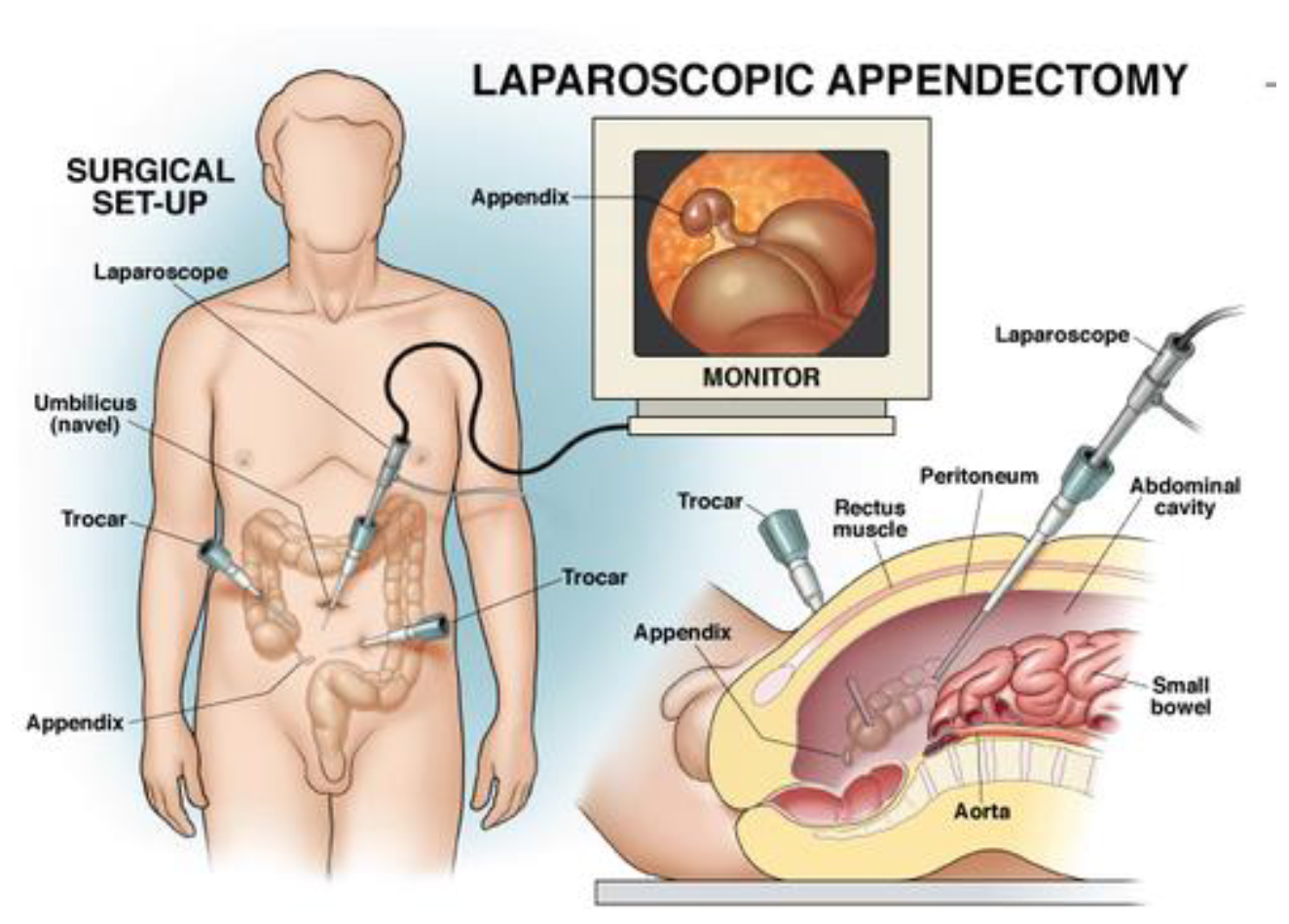
Appendicitis remains one of the most common causes of acute abdominal pain requiring emergency surgical intervention worldwide. Traditionally, the open appendectomy has been the standard treatment for decades, owing to its straightforward approach and proven efficacy. However, with advancements in minimally invasive surgery, laparoscopic appendectomy has gained significant popularity.
Deciding which surgical approach is optimal for adult patients involves weighing various factors such as recovery time, complication rates, surgical success, and long-term outcomes. The choice between laparoscopic and open procedures remains a topic of debate among surgeons and clinicians, especially considering the differences in uncomplicated versus complicated appendicitis presentations.
Understanding Appendectomy Techniques
Open Appendectomy
The open appendectomy involves a single incision, typically about 2-4 inches long, in the right lower quadrant of the abdomen. The surgeon directly visualizes the appendix, which is then ligated and removed. This technique has been the gold standard for many years due to its reliability, especially in cases with extensive infection or perforation.
Laparoscopic Appendectomy
The laparoscopic approach uses small incisions, usually 0.5-1 cm, through which a camera and surgical instruments are inserted. This minimally invasive method offers a magnified view of the abdominal cavity, which helps in identifying and managing complicating factors such as abscesses or extensive adhesions. The benefits include less postoperative pain, reduced scarring, and faster recovery.
Comparative Outcomes: Laparoscopic vs Open Appendectomy in Adults
Insights from Recent Research
Recent retrospective cohort studies, such as the one published in Cureus, provide valuable insights into the comparative effectiveness of these two surgical approaches. The study, which analyzed outcomes over a two-year period at a single center, examined both **complicated** (e.g., perforation, abscess) and **uncomplicated** appendicitis cases in adults.
The findings indicated that:
- Laparoscopic appendectomy was associated with a shorter hospital stay and quicker return to normal activities.
- Patients undergoing laparoscopy experienced less postoperative pain and had a lower incidence of wound infections.
- Conversion rates from laparoscopic to open surgery were minimal but increased in complicated cases.
Advantages of Laparoscopic Appendectomy
The minimally invasive nature of laparoscopy offers several benefits:
- Reduced postoperative pain – small incisions cause less discomfort.
- Lower wound infection rates – decreased exposure and smaller wounds reduce infection risk.
- Faster recovery – patients often resume normal activities sooner.
- Better visualization – magnified view improves the assessment of abdominal cavity, especially in complicated cases.
- Enhanced cosmesis – minimal scarring appeals to many patients.
Advantages of Open Appendectomy
While laparoscopy has many benefits, open appendectomy remains relevant, particularly in specific scenarios such as:
- Severe perforation or gangrene – extensive infection may require more thorough cleaning and access.
- Limited resources or surgeon expertise – in settings lacking laparoscopic equipment or skilled surgeons.
- Patient-specific factors – such as previous surgeries or anatomical variations.
Risks and Limitations of Each Technique
Laparoscopic Approach
The laparoscopic method, although advantageous, does present limitations:
- Higher technical demands – requires specialized training and equipment.
- Potential for longer operative time in complicated cases.
- Conversion to open surgery – may increase operative duration and complexity.
- Cost considerations – higher initial expenses due to equipment and training.
Open Surgery Approach
The open approach, on the other hand, has its own set of challenges:
- Longer recovery time – larger incisions lead to more postoperative discomfort.
- Higher wound infection rate – due to increased exposure.
- Less optimal visualization – may lead to missed pathology or incomplete removal in some cases.
- Cosmetic concerns – larger scars that could be distressing for patients.
Which Approach is Better in Specific Scenarios?
Uncomplicated Appendicitis
For uncomplicated cases, laparoscopy generally demonstrates superior outcomes, including quicker mobilization, shorter hospital stays, and better cosmetic results. The less invasive nature makes it a preferred choice in most centers adopting modern surgical protocols.
Complicated Appendicitis
In cases with perforation, abscess, or gangrene, the debate continues. Some evidence suggests that laparoscopic appendectomy can still be safely performed with careful patient selection, offering the benefits of minimally invasive surgery even in complex scenarios. However, the risk of intraoperative complications and the potential need for conversion to open surgery are higher.
Cost and Healthcare System Considerations
The choice of surgical method can also be influenced by economic factors and healthcare infrastructure. While laparoscopy might entail higher initial costs due to equipment, the overall benefits—such as shorter hospital stays and faster return to work—may offset these expenses. Conversely, in resource-limited settings, open appendectomy remains the practical and reliable choice.
Conclusion
Both laparoscopic and open appendectomy procedures have their roles in managing adult appendicitis. The decision should be individualized, considering factors such as the severity of appendicitis, patient comorbidities, surgeon expertise, and available resources.
In most cases of uncomplicated appendicitis, laparoscopic surgery tends to offer better recovery profiles, less pain, and superior cosmetic outcomes. However, in complicated cases or in settings lacking laparoscopic facilities, open surgery remains a safe and effective alternative.
Ultimately, ongoing research and technological advancements continue to refine these approaches, aiming to optimize patient outcomes and surgical efficiency.
Final Thoughts
Choosing the right surgical approach is crucial for adult patients suffering from appendicitis. As evidence accumulates, minimally invasive techniques are likely to become the standard of care in diverse clinical settings. Surgeons and healthcare providers must stay informed about emerging data to make evidence-based decisions tailored to individual patient needs.
For more updated news please keep visiting Hourly Prime News.