

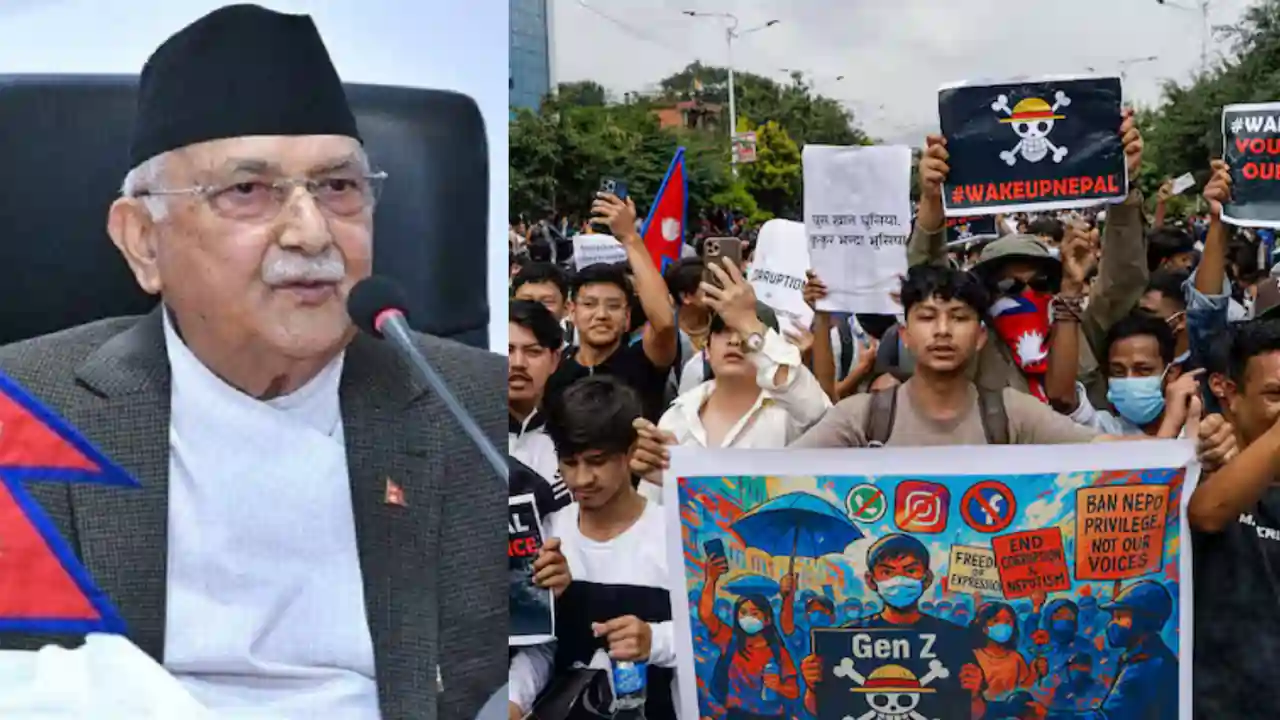
Nepal is at a pivotal moment in its political and social landscape, with the country’s youth increasingly voicing their aspirations for change. Particularly, the Generation Z leaders of Nepal are emerging as influential voices committed to fostering a corruption-free future and strengthening ties with neighboring India. This new wave of leadership signifies a shift from traditional politics towards a more youthful, vibrant, and reform-oriented approach that aligns with contemporary regional and global challenges.
The Rise of Nepal’s Gen Z Leaders
Emergence and Significance
In recent years, Nepal’s political scene has experienced a remarkable transformation as young leaders from Generation Z step into the limelight. Unlike their predecessors, these leaders are driven by a desire to overhaul the existing corrupt practices that have long plagued Nepalese governance. Their emergence reflects a broader desire among Nepal’s youth to participate actively in shaping their country’s future, emphasizing transparency, accountability, and good governance.
According to reports from India Today, these young leaders are not only calling for systemic reforms but are also advocating for closer diplomatic and economic ties with India. Recognizing India’s role as a key neighbor and major influencer in South Asia, Nepal’s youth see stronger India-Nepal relations as vital for regional stability, economic development, and cultural connectivity.
Call for a Corruption-Free Nepal
Why Is It Important?
Corruption has historically been a major obstacle to Nepal’s development, impacting everything from public service delivery to foreign investments. Nepal’s Gen Z leaders are vocal about rooting out corruption and establishing a transparent, accountable government. Their advocacy for clean governance resonates with the larger population that seeks effective solutions to endemic corruption issues.
These young activists emphasize the importance of institutional reforms, digital transparency, and strict anti-corruption measures. Their efforts aim to foster trust among citizens, attract foreign investment, and ensure that public resources are utilized for national growth rather than personal gains.
Efforts and Movements
- Youth Movements: Mobilizing mass youth participation through protests, awareness campaigns, and social media activism.
- Political Engagement: Encouraging youth to take active roles within political parties and government institutions.
- Policy Advocacy: Pushing for legal reforms, stricter enforcement of anti-corruption laws, and transparency practices.
This proactive stance by Nepal’s youth signifies a generational shift toward expecting integrity and transparency as the foundation of governance.
Strengthening Ties with India
Historical and Cultural Context
Nepal shares deep-rooted cultural, historical, and economic ties with India. The relationship has often been characterized by cooperation and mutual understanding. Nonetheless, Nepal’s young leaders emphasize the importance of formalizing and strengthening these bonds further to promote regional stability and economic growth.
The desire for closer India-Nepal relations is driven by several factors, including trade, infrastructure development, educational opportunities, and cultural exchanges. Young Nepalese leaders see India as a vital partner in their nation’s development trajectory.
Regional Cooperation and Future Prospects
According to India Today, the youth advocates are urging for increased collaboration on cross-border infrastructure projects, energy sector development, and educational exchanges. They believe robust ties with India can help Nepal address challenges like economic dependency, climate change, and regional security threats.
Furthermore, these young leaders are promoting a narrative of shared destiny, emphasizing that cooperation with India can lead to socio-economic prosperity for both nations. They envision a future where Nepal and India work together seamlessly to tackle regional issues like terrorism, disaster management, and sustainable development.
Impacts of Youth-led Political Movements
Political Reforms and Democratic Engagement
The youth-led movements in Nepal have already started to influence the political landscape significantly. By actively engaging in protests, policy discussions, and community initiatives, they are pushing for reforms that prioritize transparency, inclusivity, and social justice.
These young activists often highlight issues such as unemployment, education reform, women’s rights, and environmental sustainability—all crucial for the nation’s long-term stability. Their energy has catalyzed a broader democratic awakening and an increased demand for responsible leadership.
How Has the Uprising Changed Nepal?
- Enhanced Political Discourse: Making governance more accountable and participatory.
- Policy Changes: Prompting government officials to implement anti-corruption measures and youth-friendly policies.
- Institutional Reforms: Strengthening institutions to function transparently and effectively.
- International Relations: Elevated Nepal’s profile on regional forums, especially regarding its position in South Asia’s geopolitics.
The influence of Gen Z activists has created ripple effects, compelling mainstream political parties to reevaluate their strategies and prioritize issues that resonate with the younger population.
Challenges and Future Outlook
Obstacles Faced by Young Leaders
Despite their enthusiasm and growing influence, Nepal’s youth leaders face several challenges:
- Institutional Resistance: Entrenched corruption networks and bureaucratic inertia resist reforms.
- Limited Political Experience: Young leaders often lack extensive political track records, which can hinder their credibility.
- External Influences: Geopolitical interests from neighboring countries sometimes complicate efforts toward national sovereignty and regional cooperation.
- Public Skepticism: Deep-rooted distrust in political systems could dampen youth-led initiatives.
Addressing these hurdles requires sustained effort, mentorship, capacity building, and strategic alliances.
Looking Forward
The future for Nepal’s youth leadership appears promising, especially if they continue to champion transparency, regional cooperation, and inclusive development. Their role is crucial in shaping a resilient, vibrant Nepal that not only overcomes corruption but also builds stronger ties with its neighbors, notably India.
As regional dynamics evolve, Nepal’s young leaders could become catalysts for transformation, fostering a more democratic, transparent, and collaborative society. Their active engagement signifies that Nepal is moving towards a future where the voices of the youth are front and center in national discourse.
Conclusion
In sum, the youth of Nepal, particularly those from Generation Z, are rewriting the country’s political narrative. Their unwavering call for a corruption-free Nepal and stronger regional ties embodies hope for a future where transparency, accountability, and regional partnership are the pillars of progress. Their rise signifies a shift away from traditional politics, paving the way for a more inclusive, dynamic, and resilient Nepal.
Empowered by their passion and vision, these young leaders are poised to steer Nepal towards a brighter and more cooperative tomorrow, setting benchmarks that future generations can aspire to follow.
For more updated news please keep visiting Hourly Prime News.