

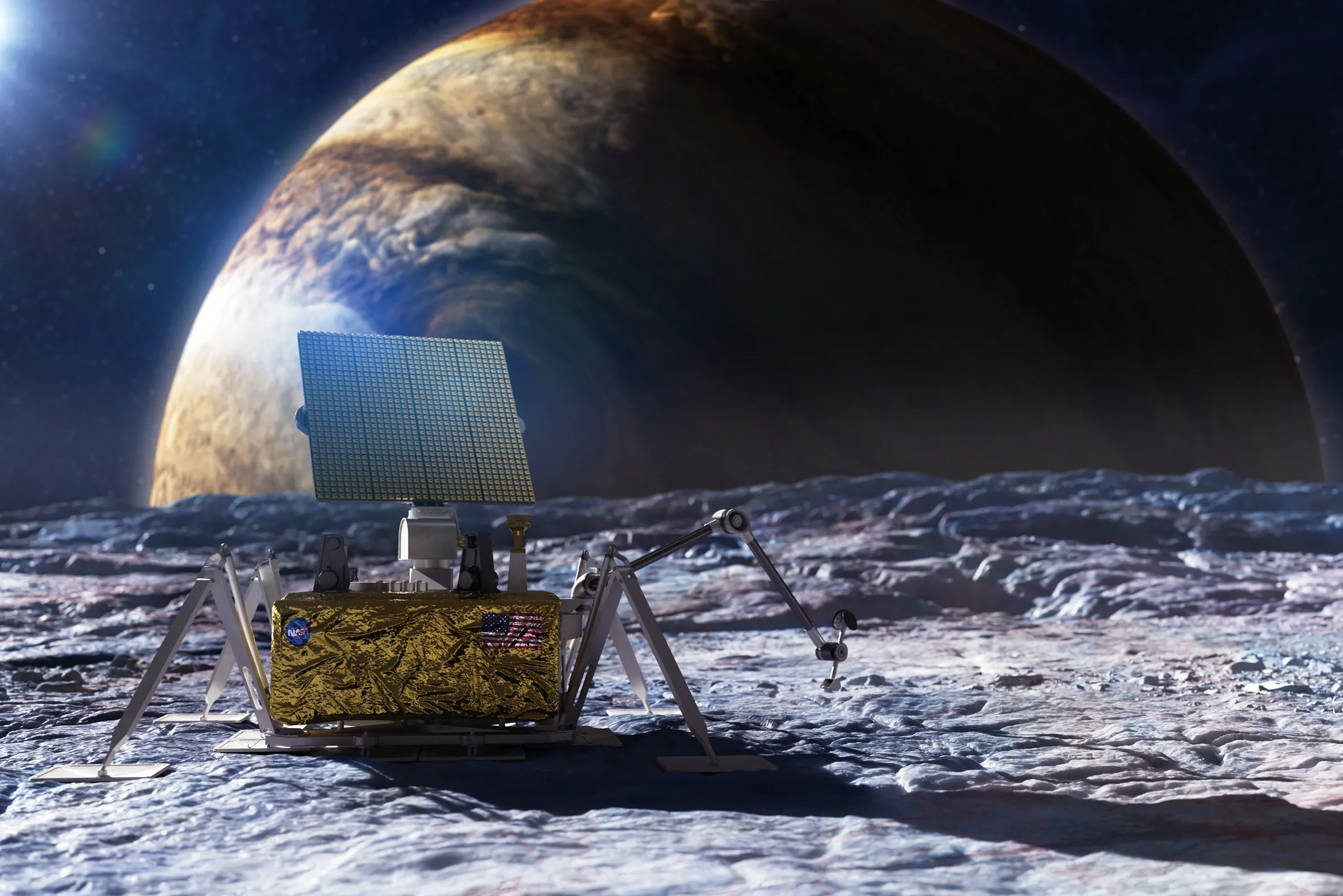
In the vast expanse of space, particularly in the cold depths of deep space, materials face extreme challenges. Temperatures can plummet to unimaginable lows, and the harsh environment often leads to material fatigue and cracking, threatening the integrity of spacecraft, satellites, and future space habitats. However, recent groundbreaking research has paved the way for a revolutionary advancement in material science: the development of a new metal capable of resisting cracking even under the most extreme cold conditions of deep space.
The Challenge of Cold Space Environments
Deep space is characterized by temperatures that can fall below -270°C (-454°F), just a few degrees above absolute zero. At such frigid temperatures, most materials tend to become brittle, increasing the likelihood of cracks and fractures. Traditional metals and alloys are susceptible to thermal stresses, which can compromise structural stability and safety.
Furthermore, the vacuum of space and radiation exposure exacerbate these issues, making the selection or invention of resilient materials a top priority for scientists and engineers. The ability of a material to withstand such conditions without cracking is crucial for long-term missions, satellite longevity, and the construction of future space stations or colonies.
The Breakthrough: A Metal Designed for Deep Space Resilience
Innovative Material Design
Recent research, as highlighted by Gadgets 360— researchers have successfully engineered a new type of metal explicitly designed to resist cracking in the harsh, cold environment of deep space.
Key Features of the New Metal
- Enhanced ductility: Unlike traditional metals that become brittle at low temperatures, this new alloy maintains flexibility and resilience.
- High fracture toughness: It can absorb significant energy before cracking, a critical property for handling thermal stresses.
- Thermal stability: The alloy exhibits minimal contraction or expansion across extreme temperature ranges, reducing internal stresses.
- Radiation resistance: The material’s microstructure is designed to withstand space radiation without degrading or developing microcracks.
The Science Behind the Innovation
The development of this advanced metal involved a meticulous process of nano-engineering and alloy optimization. Researchers integrated elements like nickel, cobalt, and rare-earth metals to enhance the microstructure’s stability at cryogenic temperatures. The incorporation of nano-sized particles within the alloy acts as toughening agents, deflecting crack propagation and providing additional healing mechanisms under stress.
Additionally, the scientists employed cutting-edge techniques such as atomic-scale simulations and cryogenic testing to refine the alloy’s composition further. The result is a material that exhibits exceptional durability in conditions simulated to match those found billions of miles away from Earth.
Implications for Space Exploration and Beyond
Long-Term Space Missions
This innovation heralds a new era in designing spacecraft and habitats capable of enduring the relentless cold of deep space. Structures built with this metal could last decades without significant maintenance or the risk of catastrophic failure due to cracking. It paves the way for extended manned missions to Mars, the outer planets, and even interstellar exploration.
Enhanced Satellite and Equipment Reliability
Satellites and space instruments, which are often limited by material fatigue, can benefit immensely from this metal. It ensures longer operational lifecycles, reducing costs and increasing mission success rates. Also, the resilience against thermal cycling means equipment can operate reliably across different temperature zones within a spacecraft.
Applications on Earth
Interestingly, the benefits of this metal extend beyond space applications. Its properties make it ideal for critical infrastructure in extreme environments on Earth, such as Arctic and Antarctic research stations, deep-sea exploration equipment, and high-performance industrial settings where temperature variability is significant.
Future Directions and Research
While this breakthrough is promising, ongoing research aims to further refine the alloy’s properties. Scientists are exploring ways to scale up production and reduce costs, making this material accessible for broader applications. Moreover, there is interest in developing composites and coatings that can enhance the metal’s performance even more.
Furthermore, collaboration with aerospace agencies and private industry is underway to test this alloy in real-world space missions. The goal is to validate laboratory results and ensure the material’s reliability in the unpredictable and demanding environment of outer space.
Conclusion
The creation of a metal that can resist cracking in the extreme cold of deep space marks a monumental leap in material science and space engineering. It promises not only to extend the lifespan and safety of space exploration equipment but also to inspire new technological innovations in various fields facing harsh environmental conditions. The future of space habitats, long-duration missions, and even terrestrial applications is set to be transformed by this remarkable development.
As we venture further into the cosmos, such materials will be the backbone supporting our journeys beyond the stars, ensuring safety, stability, and success amidst the harshest environments imaginable.
For more updated news please keep visiting Hourly Prime News.