

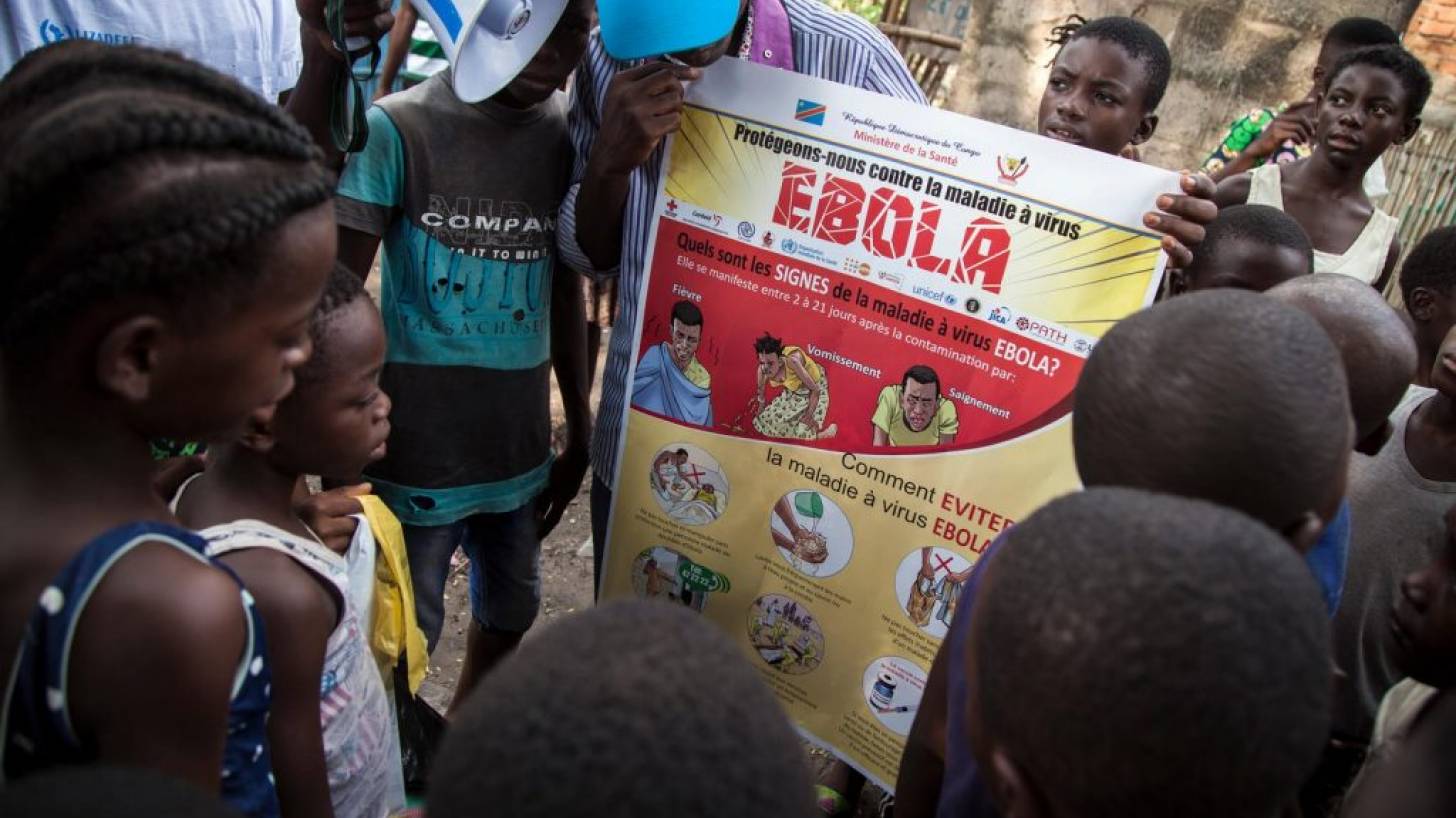
The recent Ebola outbreaks in Central Africa have underscored the critical importance of vigilance and preparedness among travelers and local communities alike. Ebola Virus Disease (EVD) remains one of the most deadly viral infections, characterized by high fatality rates and a rapid transmission cycle. As health authorities scramble to contain the latest outbreaks, regions such as parts of the Democratic Republic of the Congo (DRC) have been put under strict lockdown measures to prevent further spread.
In recent reports, the area affected by Ebola has been declared on full lockdown by local health agencies and supported by international organizations like the World Health Organization (WHO). This containment strategy generally involves restricting movement in and out of affected areas, suspending public gatherings, and emphasizing hygienic practices. While such measures are essential to curb transmission, they also raise concerns among travelers, expatriates, and aid workers who need to navigate these regions.
The Urgency of Vaccination Before Traveling
Given the current situation, it is imperative to prioritize vaccination before any travel to Ebola-affected zones. The Ebola vaccine, such as the rVSV-ZEBOV, has proven highly effective in preventing the spread of the virus. This prophylactic measure offers a critical layer of protection, especially when traveling through or residing temporarily in regions experiencing an active outbreak.
Vaccination not only protects the individual but also helps prevent the further spread of the disease within communities. International health guidelines recommend that travelers to high-risk zones get vaccinated at least 10 days before entering the area. Failure to do so could result in severe health consequences, including quarantine or inadmissibility upon entry, depending on the country’s policies.
The Rising Situation in the Democratic Republic of the Congo
Recent developments reveal that the Democratic Republic of the Congo has declared an Ebola virus disease outbreak in Kasai Province. This announcement comes after a surge in reported cases, prompting swift action from local authorities and international health agencies. The region is under tight restrictions, with towns being placed under confinement as reported by multiple news outlets including Reuters and allAfrica.com.
According to WHO reports, this outbreak is particularly concerning because of the ongoing conflict and instability in the region, which complicates response efforts. The health infrastructure is already strained, and the risk of further spread is high if containment measures are not strictly followed. These situations underscore the narrative that travel to such zones should be approached with utmost caution and only after proper vaccination and health advisories are met.
Measures Taken in Affected Regions
In response, health organizations, including Médecins Sans Frontières (MSF), are actively supporting the Ebola outbreak response efforts in the DRC. These interventions involve extensive vaccination campaigns, community engagement, and the establishment of treatment centers. Additionally, quarantine and confinement protocols are diligently enforced in towns experiencing new cases, as cases continue to rise despite containment attempts.
Authorities have also reinforced border controls, and in some cases, restricted movement for individuals arriving from or traveling within affected zones. This has heightened the importance for travelers to stay informed about current safety protocols, vaccination requirements, and travel advisories issued by local and international health agencies.
Travel Safety Tips During an Ebola Outbreak
- Get Vaccinated: Ensure you receive the Ebola vaccine well in advance of travel to high-risk areas.
- Consult Health Authorities: Check with your local health department or travel clinics to confirm vaccination status and obtain necessary preventive medicines.
- Practice Strict Hygiene: Regular hand washing, avoiding contact with bodily fluids, and adhering to recommended safety protocols are critical.
- Avoid Crowded Areas: Since Ebola spreads through contact with infected bodily fluids, avoiding crowded and poorly ventilated places reduces risk.
- Stay Informed: Follow official updates regarding the outbreak status, new cases, and containment measures in your intended travel areas.
The Role of International Cooperation and Community Engagement
The fight against Ebola is not solely a medical challenge but also a social and logistical one. International agencies like WHO coordinate efforts with local governments, NGOs, and community leaders to promote awareness, dispel myths, and facilitate vaccination drives. Community engagement is vital to ensure that containment measures are accepted and followed, particularly in regions where health infrastructure may be fragile or mistrust exists.
Education campaigns emphasize the importance of vaccination, early detection of symptoms, and prompt reporting of suspected cases. These programs have been successful in reducing transmission rates in recent outbreaks when combined with rapid response strategies.
Long-Term Prevention Strategies
While immediate vaccination before travel is crucial, long-term prevention requires strengthening health systems, improving surveillance, and ensuring quick access to vaccines and treatments. Global health initiatives focus on maintaining stockpiles of vaccines, training local healthcare workers, and enhancing laboratory capacities for rapid diagnosis.
Through sustained efforts and international collaboration, the goal is to develop more effective vaccines, therapeutics, and diagnostic tools that can better contain future outbreaks and reduce the disease’s toll on human life.
Conclusion
The ongoing Ebola outbreaks and resulting lockdowns are stark reminders of the importance of pre-travel precautions, especially vaccination. Travelers to affected regions must stay informed, adhere to safety protocols, and prioritize getting vaccinated to protect themselves and their communities. International cooperation continues to be a cornerstone in controlling the spread of Ebola, but individual responsibility remains equally vital.
Remember, being proactive about health safety measures, including vaccination and hygiene practices, can make all the difference during outbreaks. Preparedness is the best defense against this deadly disease, and staying updated on the latest news and guidelines is essential for all travelers and residents in or near outbreak zones.
Stay Vigilant and Safe
As we navigate through challenging times with deadly diseases like Ebola, collective efforts and individual actions are crucial for safeguarding health. Ensure you are well-informed and adequately protected before planning any travel to regions experiencing outbreaks.
For more updated news please keep visiting Hourly Prime News.