

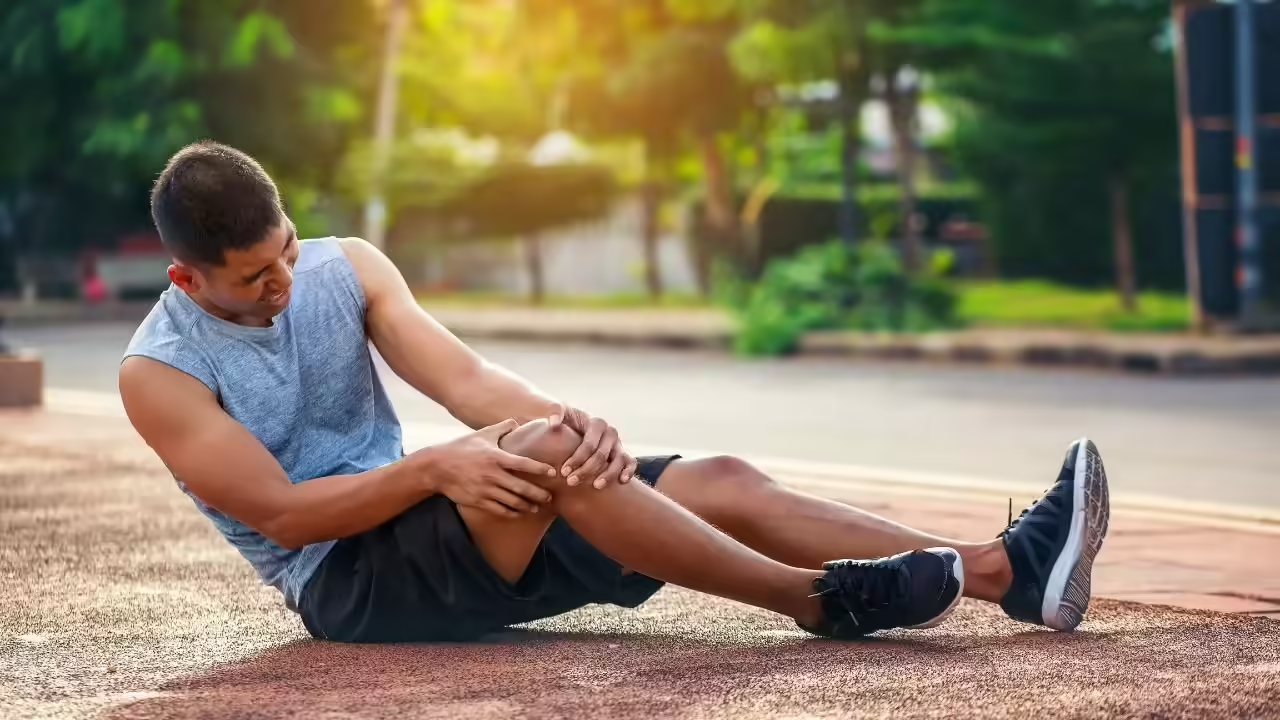
In recent years, a noticeable rise in knee pain among individuals in their 30s and 40s has become a growing health concern. Once considered a condition primarily affecting the elderly, knee issues are now increasingly common among younger adults, affecting their daily activities and quality of life. This trend calls for a deeper understanding of the underlying causes and effective prevention strategies to tackle this emerging problem.
Understanding the Causes of Knee Pain in Younger Adults
The surge in knee pain among people in their prime years can be attributed to multiple factors, spanning lifestyle habits, health conditions, and environmental influences. Here, we explore the most significant contributors:
1. Obesity and Excess Body Weight
- Obesity remains one of the leading causes of knee discomfort in younger adults. Excess weight puts additional stress and strain on the knee joints, accelerating wear and tear.
- Studies from reputed sources like Times of India have shown that around 70% of knee damage cases are linked to obesity, where overweight individuals experience accelerated cartilage degradation and joint degeneration.
- Increased fat tissue also elevates inflammatory markers, which can further damage the joint tissues, resulting in persistent pain and swelling.
2. Lack of Physical Activity and Sedentary Lifestyle
- While overuse can cause knee problems, a sedentary lifestyle can also lead to muscular imbalance, poor joint stability, and stiffness, exacerbating pain issues.
- Over time, inactivity weakens the surrounding muscles that support the knee, making the joint more vulnerable to injury or degeneration.
3. Trauma and Neglected Injuries
- Minor injuries or sports-related trauma often go unnoticed or untreated, developing into chronic pain or instability in the knee joint.
- “Neglected injuries like ligament strains or meniscal tears can deteriorate if not appropriately healed, leading to osteoarthritis at an early age,” explains orthopedic experts referenced in Times of India.
4. Increased Obesity Rates
- With rising obesity levels, the stress on knees during everyday activities like walking, standing, and climbing stairs intensifies, leading to early cartilage breakdown.
- Experts highlight that weight management can significantly reduce the likelihood of developing joint problems in early adulthood.
5. Early Onset of Degenerative Conditions
- Conditions like osteoarthritis, typically associated with older age, are now being diagnosed in younger individuals due to lifestyle choices and genetic predispositions.
- Genetic factors, joint misalignment, and previous injuries contribute to the early degeneration of joint cartilage, causing chronic pain.
Prevention Tips for Knee Health in Your 30s and 40s
While some risk factors are unavoidable, adopting proactive habits can substantially reduce the chances of knee problems. Here are essential prevention tips that can help safeguard your knee health:
1. Maintain a Healthy Weight
- Weight management is paramount. Even a small reduction in body weight can decrease stress on knee joints by up to 20-30%.
- A balanced diet combined with regular physical activity supports healthy weight and overall joint health.
2. Regular Exercise and Strengthening Routines
- Engage in low-impact exercises such as swimming, cycling, and walking to keep your knee joints active without putting undue stress on them.
- Incorporate strengthening exercises targeting thigh muscles (quadriceps and hamstrings) to provide better support and stability for the knee.
- Stretching routines improve flexibility and reduce muscle tightness that may cause joint strain.
3. Proper Technique During Physical Activities
- Follow correct form and technique while exercising, especially during high-impact sports, to avoid injury.
- Use appropriate footwear with good cushioning and arch support to prevent undue stress on knees.
4. Be Mindful of Injuries and Seek Prompt Treatment
- Address minor injuries immediately. Don’t ignore pain or swelling – early treatment can prevent long-term damage.
- Consult healthcare professionals for persistent knee pain or instability rather than self-medicating or delaying diagnosis.
5. Maintain Posture and Ergonomics
- Practice good posture, especially if you spend long hours sitting or standing, to avoid undue joint stress.
- Adjust your workspace ergonomically to ensure proper alignment and reduce joint strain.
6. Avoid Prolonged Sitting and Incorporate Movement
- Long periods of sitting can lead to stiff knees and muscular imbalance. Take regular breaks to stretch and move around.
Emerging Trends and the Importance of Early Detection
Many young adults are now opting for knee and hip replacement surgeries at an earlier age, mainly due to neglected injuries and obesity trends. According to recent reports, **the rise in obesity rates and neglect of injuries** have resulted in an increased demand for joint replacement procedures even among those in their 30s and 40s, a phenomenon once uncommon.
Early intervention, routine check-ups, and lifestyle modifications have proven effective in delaying the progression of joint issues. Imaging techniques like MRI and X-rays aid in early diagnosis, allowing timely management before significant degeneration occurs.
For individuals experiencing persistent knee discomfort, consulting an orthopedic specialist promptly is vital. The combination of awareness, preventive habits, and medical intervention can significantly improve the prognosis and maintain a good quality of life well into later years.
Conclusion
The increasing incidence of knee pain among people in their 30s and 40s is a wake-up call for proactive health management. Multiple factors, especially obesity, lifestyle choices, and untreated injuries, play a crucial role in this trend. By adopting healthy habits—such as maintaining a healthy weight, exercising regularly, and seeking early treatment—young adults can preserve knee health and prevent debilitating conditions.
Stay informed and vigilant about your joint health. Prevention is always better than cure, particularly when it comes to preserving mobility and independence in your prime years.
Remember: Early detection and lifestyle modifications can make a significant difference. Be proactive about your knee health today to enjoy a pain-free future.
For more updated news please keep visiting Hourly Prime News.