

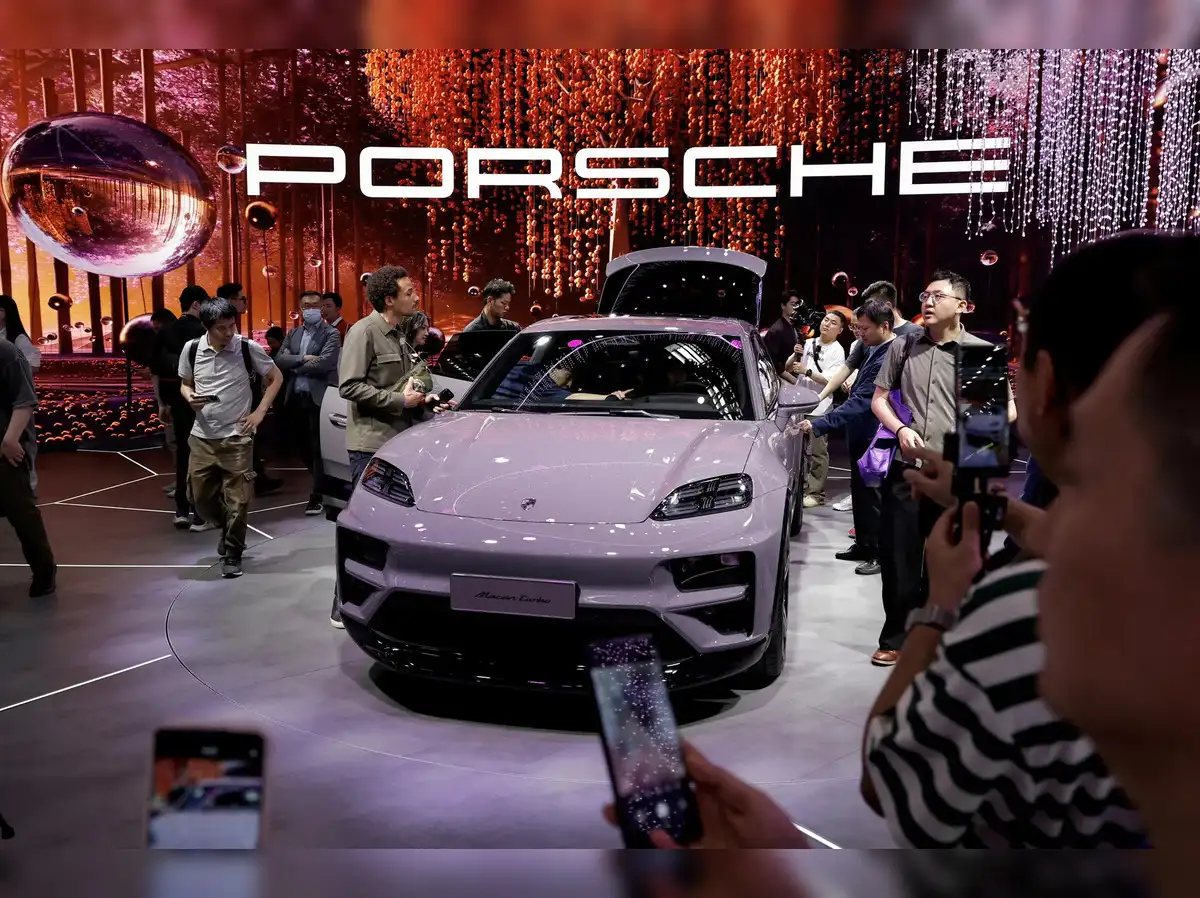
The automotive industry is at a pivotal crossroads, and few voices have captured this sentiment as poignantly as the CEO of Porsche. Recently, statements from Porsche’s leadership have sent ripples through the industry, signaling that a significant shift may be underway. As traditional automakers grapple with evolving technologies, changing consumer preferences, and mounting regulatory pressures, the notion that the “golden era” of the auto industry is coming to an end has gained credence. Let’s delve into the reasons behind this bold assertion and explore what the future holds for the industry.
The Context of an Industry in Transition
For decades, the auto industry rode a wave of consistent growth, technological optimism, and consumer enthusiasm. Internal combustion engines dominated roads worldwide, and the industry flourished with innovations like advanced safety features, comfort enhancements, and mass production efficiencies. This period, often dubbed the “golden era,” encapsulated rapid growth, technological breakthroughs, and an almost unchallenged perception of automotive excellence.
However, recent years have seen these long-held assumptions challenged by several converging forces:
- Electrification: The shift from internal combustion engines to electric vehicles (EVs) is accelerating globally, driven by climate concerns and regulatory mandates.
- Regulatory Pressures: Governments are imposing stricter emissions standards, pushing automakers toward cleaner technology regardless of traditional market preferences.
- Technological Disruption: Innovations like autonomous driving, connected cars, and alternative mobility models are redefining what transportation means.
- Consumer Shift: New generations are prioritizing sustainability and connectivity over raw performance and status symbols, prompting automakers to rethink their strategies.
Porsche’s CEO Perspective: “The Party Is Over”
In a candid commentary, Porsche’s CEO articulated a sobering view of the current state of the automotive landscape. He proclaimed that “the party is over,” signifying that the era of unchallenged growth and prosperity in traditional automotive sectors has peaked. According to him, the industry must brace itself for fundamental changes that will reshape every facet of automotive manufacturing, sales, and ownership.
This perspective is rooted in several tangible developments:
- Decline of Traditional Assumptions: The once-reliable profit models based on internal combustion engines and fossil fuel sales face obsolescence.
- Emergence of New Competitors: Tech giants and start-ups are entering the space, offering new mobility solutions that threaten traditional automakers.
- Market Saturation: Certain mature markets, like North America and Europe, are approaching saturation, reducing growth prospects for conventional auto sales.
- Changing Customer Expectations: Customers now value sustainability, digital connectivity, and innovative ownership models over status or performance alone.
The Implications of This Shift
Impact on Automotive Companies
Automakers, including giants like Porsche, are faced with the pressing task of transforming their core businesses. The shift toward electrification requires huge investments in new technologies, manufacturing processes, and supply chains. Porsche, traditionally celebrated for high-performance combustion engines, is now focusing heavily on EV development. This is an acknowledgment that the industry’s profitable future hinges on innovative, sustainable mobility solutions rather than traditional combustion vehicles.
Financial and Strategic Realignment
The recognition that “the party is over” compels automakers to rethink their entire strategic approach:
- Investment in Electric and Hybrid Technologies: Major R&D spends are being redirected toward battery technology, charging infrastructure, and electric drivetrains.
- Shift in Brand Identity and Marketing: Brands must adapt their messaging to emphasize sustainability while retaining the allure of luxury, performance, and innovation.
- New Business Models: Subscription services, mobility-as-a-service (MaaS), and shared mobility promote alternative revenue streams beyond vehicle sales.
Market Dynamics and Consumer Behavior
The consumer landscape is also changing dramatically. Today’s car buyers are more environmentally conscious and digitally savvy. The traditional desire for owning a vehicle for prestige or utility is being supplemented or replaced by interests in electric vehicles, connected services, and eco-friendly mobility options.
Challenges and Opportunities Ahead
Technology Development and Infrastructure
One of the core challenges is the development of reliable and affordable EV infrastructure. Without accessible charging networks, mass adoption remains hindered. Automakers, governments, and private entities must collaborate intensively to create seamless charging ecosystems.
Regulatory and Policy Shifts
Governments worldwide are setting ambitious targets for reducing emissions and promoting sustainable transportation. These policies are both a catalyst and a challenge, as automakers must innovate rapidly while navigating a complex geopolitical landscape.
Innovation as the New Standard
In an era where traditional profits decline, innovation becomes the new financial backbone. Companies that early invest in autonomous driving, battery technology, and connected vehicle systems will likely lead future markets. Porsche’s pivot towards electrification is a case in point, exemplifying this strategic necessity.
What Does the Future Hold?
The declaration that “the party is over” does not necessarily indicate doom but signals an evolution. The auto industry is entering a transformative phase akin to the digital revolution in other sectors. Success will belong to those who adapt quickly, innovate relentlessly, and prioritize sustainability and digital connectivity.
Emerging trends suggest a future where:
- Electric vehicles dominate market share, accompanied by advancements in battery tech for longer range and faster charging.
- Autonomous vehicles become mainstream, revolutionizing personal mobility and logistics.
- Shared mobility options flourish, reducing individual car ownership and fostering more sustainable urban environments.
- Automakers transition from traditional hardware-centric models to integrated service providers.
Conclusion
The comments from Porsche’s CEO serve as a clarion call to the auto industry. The “golden era” that once seemed endless is yielding to a new reality marked by technological innovation, regulatory change, and evolving consumer desires. While challenges abound, opportunities for those willing to reinvent themselves are immense. As the industry moves forward, agility and a forward-looking perspective will determine who thrives and who struggles in this new landscape.
In summary, the auto industry’s “party” as we knew it is indeed over, but this transition paves the way for exciting innovations and sustainable growth. Embracing change proactively will be the key to shaping the future of mobility.
For more updated news please keep visiting Hourly Prime News.