

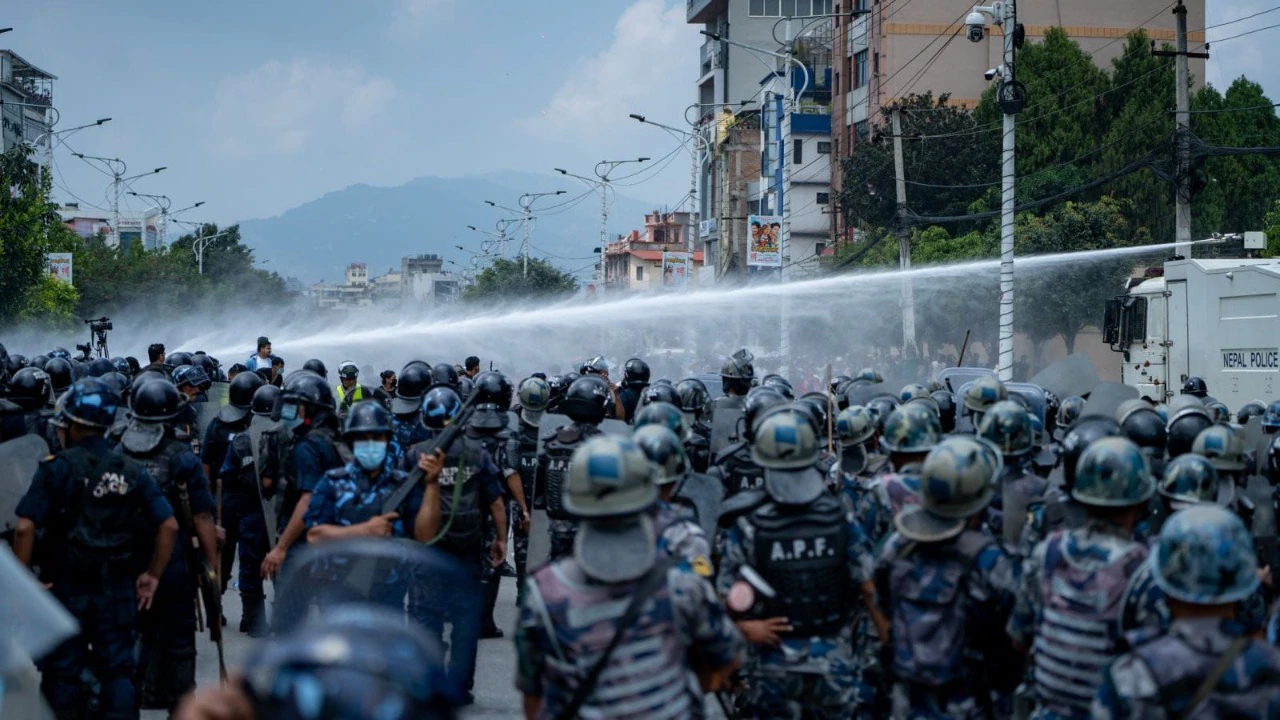
In recent weeks, Nepal has witnessed a vibrant yet tumultuous wave of protests led primarily by the country’s Generation Z—young citizens who are increasingly vocal about their rights, freedoms, and concerns over governmental policies. These protests have gained global attention due to the intensity of public sentiment against the government. Central to the unrest is the social media ban imposed by Prime Minister Pushpa Kamal Dahal’s administration, which has been viewed as a significant act of suppression against free speech and digital expression.
The roots of this rebellion lie deep within the dissatisfaction of Nepalese youth who see their movements, opinions, and voices being deliberately stifled. Social media platforms such as Facebook, Twitter, and TikTok, which are vital tools for this demographic to connect, organize, and express their grievances, have been effectively silenced. This action has not only ignited outrage but also symbolized the broader struggle of Nepalese Gen Z—who are determined to challenge perceived authoritarian tendencies in their government.
Government’s Stance and the Refusal to Lift the Ban
The Nepali government’s response to the protests has been characterized by defiance and dismissiveness. Prime Minister Oli, amid mounting protests, explicitly refused to lift the social media ban. Instead, he labeled the young protesters as “troublemakers” and argued that the restrictions were necessary to prevent unrest and misinformation. This stance further fueled the public’s frustration, turning the movement into a larger discourse on civil liberties and governmental overreach.
Oli’s refusal not only exemplifies a firm stance against youth-led dissent but also underscores an underlying tension within Nepal’s political landscape —between maintaining authority and respecting democratic rights. The protestors, largely composed of students and young activists, have viewed this as an outright attack on their fundamental freedom of expression. Their resistance has taken on a symbolic significance, embodying the broader struggle for digital rights and government accountability.
The Toll of the Protests: Violence and Casualties
The protests have unfortunately turned violent, with reports indicating that at least 19 lives have been lost amidst the chaos, according to BBC reports. The violence has been fueled by heavy police crackdowns, clashes with security forces, and the destruction of property in urban centers like Kathmandu. The youth have been mobilizing in large numbers, demanding an end to the social media ban, government transparency, and accountability on issues like corruption and governance.
The use of violence highlights the severe tension between the protesters and authorities. As street battles intensified, fears grew over the escalation of unrest and further loss of life, prompting concerns both domestically and internationally about the stability of Nepal’s political order. The government’s approach in handling these protests has been widely criticized for its brutality, which many argue only exacerbates the underlying frustrations of the youth.
The Broader Political and Social Implications
These protests are symptomatic of deeper issues within Nepal. As a nation navigating political changes, social inequality, and development challenges, Nepal’s youth see their future at risk. The social media ban is perceived less as a security measure and more as a tool to silence dissent and control the narrative.
Additionally, this unrest opens a window into the generational divide—where young, digitally-savvy citizens demand more say in governance and policy matters. Their activism reflects a shift in political agency, moving away from traditional avenues of protest to the realm of social media, which has become a battleground for free speech and civic participation.
International Responses and Warnings
The international community has closely monitored the unfolding events. Countries like India and the UK have issued alerts and cautions over the escalating violence and instability. For example, India has expressed concern regarding border security and the potential for spill-over effects into neighboring regions. The Hindustan Times referenced heightened vigilance and alertness along Nepal’s borders, emphasizing the regional importance of maintaining peace and stability.
Moreover, global human rights organizations have voiced their concerns about the government’s crackdown on peaceful protests and the loss of life. Such international attention underscores the significance of protecting civil liberties, especially for a digitally connected generation that relies heavily on online platforms for their voice.
The Future of Youth Activism in Nepal
The ongoing protests mark a defining moment for Nepal’s youth. While the government remains steadfast in its opposition to lifting the social media ban, the resilience and determination of the protesters indicate that this movement is far from over. Young activists are likely to continue their fight for digital rights, institutional reforms, and democratic freedoms.
In the broader context, these protests symbolize a global shift—where digital platforms have become essential in political expression. Governments worldwide must reckon with this reality, balancing security concerns with the fundamental rights of their citizens to communicate and assemble freely. The Nepalese case exemplifies how suppression of online voice can backfire, leading to increased unrest and societal fissures.
Conclusion
The Nepal Gen Z protests highlight a critical challenge faced by modern democracies: safeguarding free speech in an age of digital communication. Prime Minister Oli’s refusal to lift the social media ban has ignited a firestorm of youth activism, protests, and violence, reflecting the deep-rooted desire of young Nepalese to be heard and to shape their future.
This movement serves as a poignant reminder that suppression often fuels resistance. As Nepal navigates this turbulent period, the resilience of its youth could perhaps be a catalyst for transformative change—either pushing towards greater democratic freedoms or risking further instability if dialogue and compromise are not prioritized.
Moving forward, the international community and Nepalese authorities must work together to ensure that the voices of the young generation are heard, respected, and incorporated into the nation’s path towards stability and growth.
For more updated news please keep visiting Hourly Prime News.