

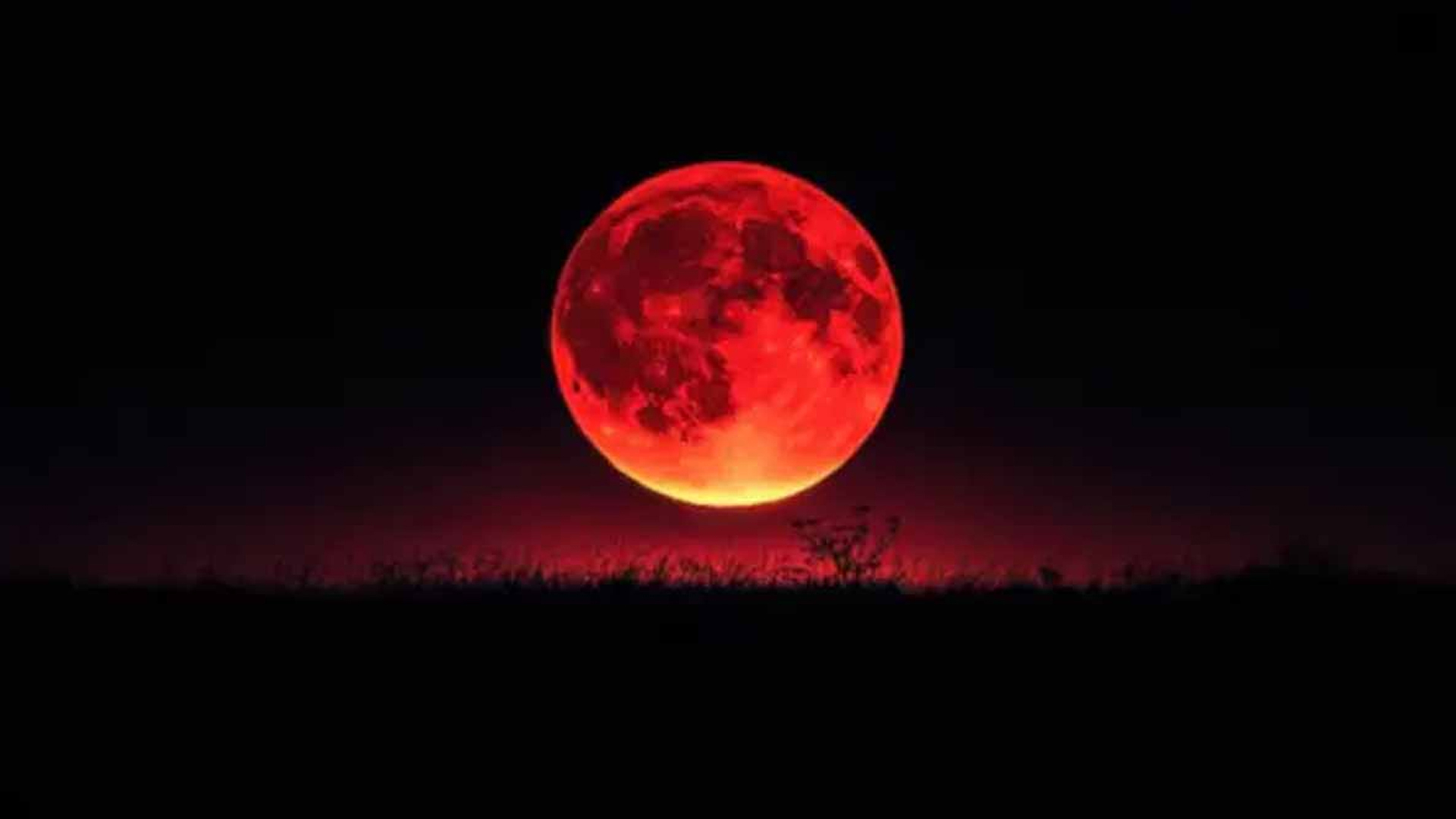
On a clear night when the sky stretched wide in an inky darkness, skywatchers around the world were treated to a stunning celestial event — the appearance of a Blood Moon during a total lunar eclipse. This natural phenomenon, captivating and often mysterious, has been a subject of fascination for centuries. The 2023 lunar eclipse, in particular, lit up the night sky with a vivid, eerie red hue that left viewers awestruck and prompted numerous scientific and cultural interpretations of this spectacular event.
The Science Behind the Blood Moon
The term Blood Moon refers to the reddish appearance of the moon during a total lunar eclipse. During such an eclipse, the Earth positions itself directly between the Sun and the Moon, casting a shadow that envelops the lunar surface. However, instead of the moon becoming completely invisible, sunlight passing through Earth’s atmosphere is bent and filtered. The atmosphere scatters the shorter blue and green wavelengths, while allowing the longer red wavelengths to pass through. This results in the moon taking on a haunting, blood-red hue, which is why the event is popularly called the “Blood Moon.”
This phenomenon has both scientific and cultural significance. Scientifically, it provides an excellent opportunity for astronomers and sky enthusiasts to study Earth’s atmosphere and the interaction of sunlight passing through it. Culturally, blood moons have often been associated with omens, prophecies, and mythologies across civilizations, adding a layer of mystique to the celestial display.
Recent Total Lunar Eclipse Events
2023’s Spectacular Blood Moon
One of the most recent and widely observed lunar eclipses occurred in 2023, captivating viewers across continents. The event was described as a breathtaking sight, where the moon appeared remarkably large and luminous, gradually transforming into a deep red hue that persisted for several minutes. According to reports, the eclipse lasted approximately 82 minutes, offering ample time for photographers, astronomers, and casual sky viewers to witness and capture this extraordinary event.
The event drew attention not only because of its visual appeal but also due to the rarity of total lunar eclipses visible from certain parts of the world. Enthusiasts shared their stunning photographs, capturing the moon’s dramatic transformation from a bright, silvery glow to a fiery blood-red orb.
Global Observations and Cultural Reactions
Across the globe, from India to the Americas, the lunar eclipse prompted widespread observation. In India, the event was widely celebrated and documented, with many people heading to observations sites or viewing platforms to witness the moon’s crimson glow. The Hindu community, in particular, considered such celestial events auspicious, and numerous articles and discussions detailed the timings, precautions, and ways to best observe the eclipse.
Similarly, in countries like the United States, Australia, and parts of Europe, astronomy clubs organized viewing parties, equipped with telescopes and cameras to capture this incredible sight. Many social media users shared videos and photos displaying the intense red coloration of the moon, which often evoked reactions of awe, curiosity, and sometimes even superstition rooted in cultural beliefs about lunar eclipses.
Photography Tips for Capturing the Blood Moon
Essential Equipment and Settings
- Smartphone Photography: With advances in smartphone camera technology, enthusiasts can now capture stunning images without professional equipment. Tips include stabilizing your phone on a tripod or steady surface and using zoom cautiously.
- Digital Cameras and Telescopes: For more detailed shots, use a DSLR or mirrorless camera with a telephoto lens (200mm or more). Attach the camera to a telescope for high-magnification imaging.
- Camera Settings: Set your ISO to a low value (around 100-400), aperture between f/8 and f/11 for clarity, and adjust the shutter speed according to ambient light — typically, 1/125 to 1/250 second works well.
Photographic Techniques
- Use a Tripod: To prevent motion blur during long exposure shots, mount your camera on a sturdy tripod.
- Focus Manually: Autofocus might struggle in low-light conditions; manual focus ensures sharp images.
- Timing is Key: Capture the moon at different phases — as it begins to turn red, during totality, and as it recedes back to its normal brightness.
Cultural Significance and Myths
The Blood Moon has historically been intertwined with various myths and beliefs. In many cultures, it is seen as an omen. For instance, some ancient civilizations associated blood moons with significant changes, disasters, or divine warnings. Meanwhile, modern spiritual communities view lunar eclipses as periods of transformation, renewal, and heightened consciousness.
In scientific terms, it is just a predictable astronomical event. Yet, the powerful visual impact continues to inspire stories, art, and spiritual reflections, demonstrating the profound human connection to celestial phenomena.
Future Lunar Eclipses and Viewing Opportunities
Looking ahead, future total lunar eclipses promise more opportunities for skywatching enthusiasts. The next significant event is expected in 2025, with detailed timings made available by astronomical societies worldwide. These events serve as excellent reminders of our planet’s place in the cosmos and the perpetual beauty of the universe’s grand design.
Conclusion
The Blood Moon during a total lunar eclipse is much more than a stunning visual spectacle; it is a reminder of the intricate dance of celestial bodies that has fascinated humanity for ages. Whether you are an amateur astronomer, a professional scientist, or simply a curious observer, witnessing this fiery hue across the night sky offers a humbling perspective on the universe’s amazing phenomena.
This event once again highlights the importance of observing and understanding our natural world, inspiring curiosity and wonder in all who gaze upward. As technology advances, so does our ability to document and celebrate these cosmic milestones, ensuring future generations also marvel at the mesmerizing beauty of the Blood Moon.
For more updated news please keep visiting Hourly Prime News.